Dash cams have come a long way since the basic forward-facing models that people first put on their windscreens. Nowadays, many drivers choose systems that record in both directions, and there’s a good reason for that. A front and rear dash cam captures what happens in front of you and also records activity behind your vehicle. This gives you a complete view of every trip.
Whether you drive to work daily, manage a family car, or simply want extra peace of mind on Australian roads, dual-lens technology is becoming the new standard.
What Is a Dual Channel Dash Cam?
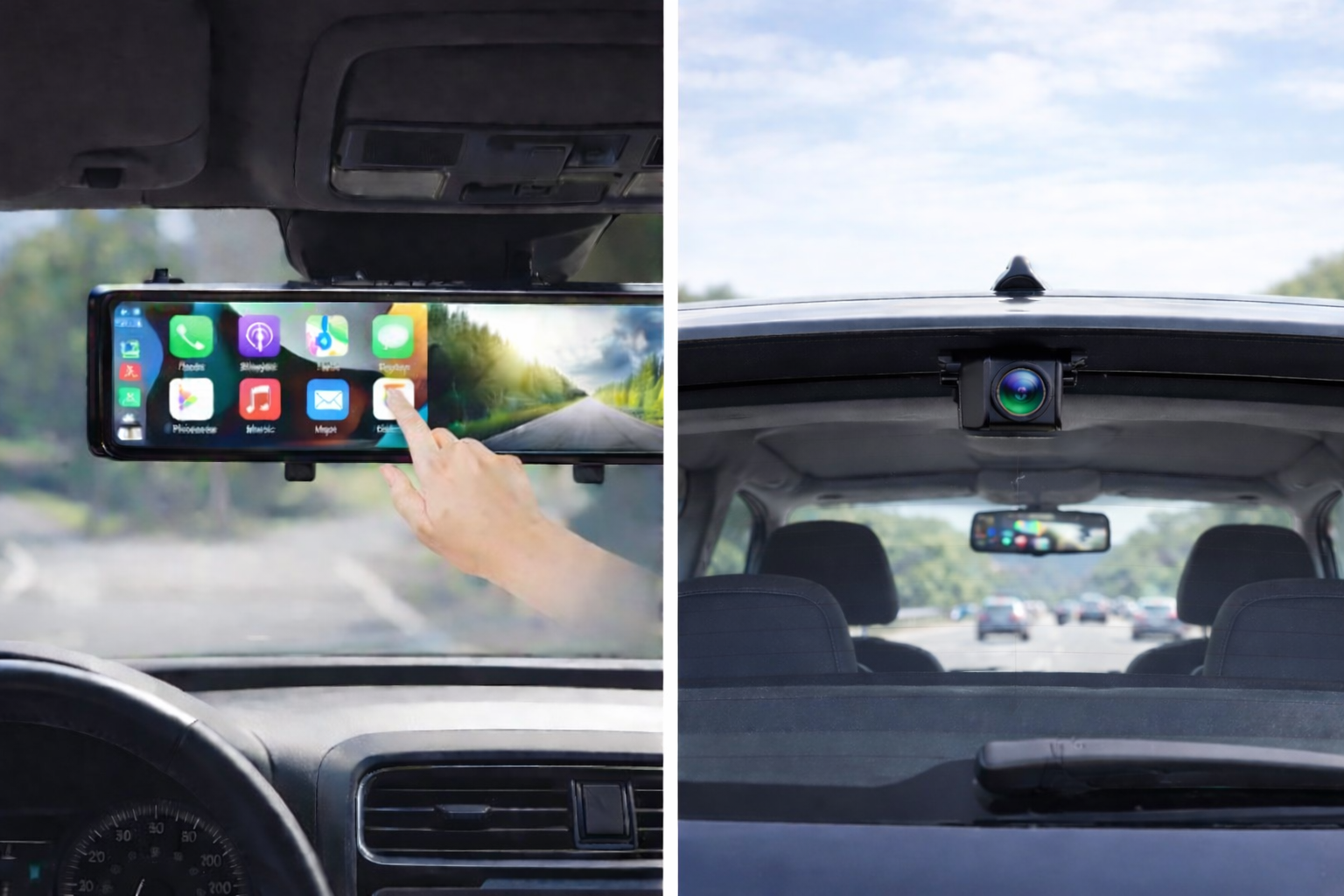
A dual dash cam, or dual-channel system, uses two cameras connected to one recording unit. One camera faces forward through the windscreen, while the second is installed at the rear windshield or above the license plate to monitor what’s happening behind the car.
Unlike single-lens models, this setup captures incidents from different angles at the same time. If you are hit from behind at a traffic light or involved in a multi-vehicle crash, you'll have video evidence from both views. That extra angle can be important when dealing with insurance claims or disputes.
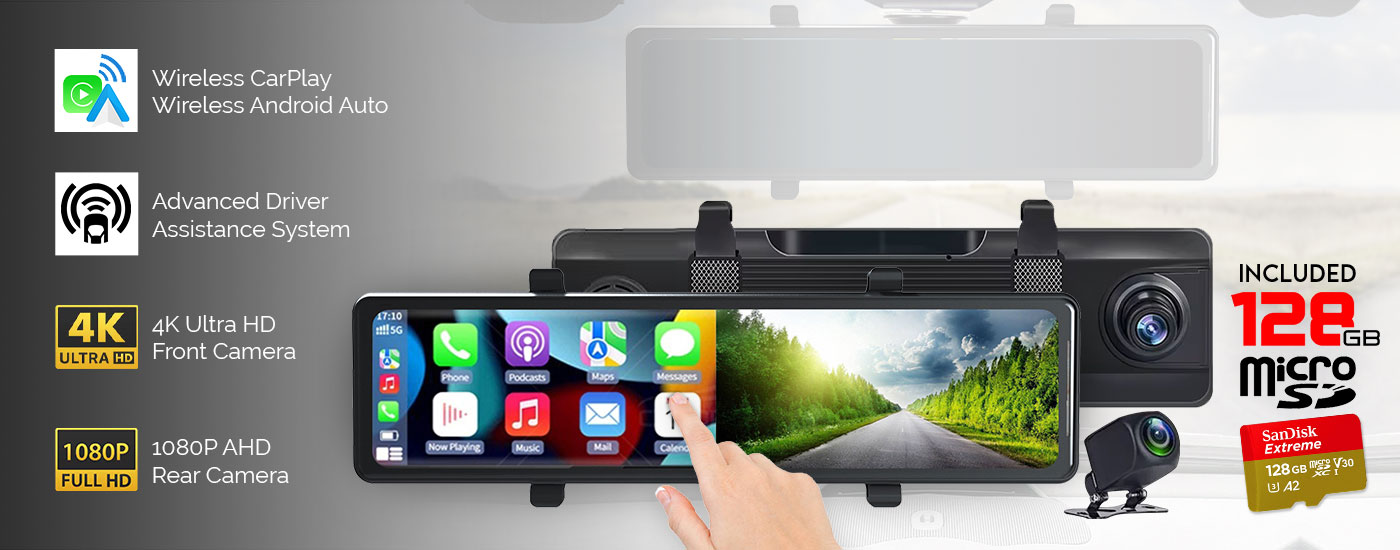
Many drivers refer to this setup as a dash cam rear and front system because it provides complete coverage. Modern units also record audio, GPS speed, location data, and timestamps. This information can further support your version of events if something goes wrong on the road.
Is a Dual Dash Cam Worth It?
For many drivers, the answer is yes. Rear-end collisions are some of the most common types of crashes. A forward-facing camera alone won't show what the driver behind you was doing. With a rear camera, you can capture tailgating, distracted driving, or failing to brake in time.
Besides accidents, dual dash cameras are also useful for:
- Hit-and-run incidents while parked. Some models offer parking mode, recording motion or impacts even when the car is off.
- Road rage situations. If another driver acts aggressively from behind, your rear camera may record their license plate and actions.
- Fleet or rideshare vehicles. Business owners often rely on video evidence to protect drivers and vehicles. A front and rear dash camera provides more complete documentation of daily operations.
While dual-lens models are more expensive than basic single-camera units, the extra protection and evidence can easily make up for the price gap after just one incident.
How Do I Choose a Dash Cam in Australia?
When shopping for dash cams in Australia, focus on more than just price. The conditions here can be tough on electronics, especially during hot summers. Quality and reliability matter.
Here’s what to look for:
1. Video Quality
Aim for at least Full HD (1080p) on both cameras. Higher resolution helps capture number plates and road signs more clearly, especially at night.
2. Wide Viewing Angle
A lens angle between 120° and 170° is ideal. If the angle is too narrow, you might miss side details. If it's too wide, the image can become distorted.
3. Heat Resistance
Australian vehicles can get very hot when parked. Choose a model built with heat-resistant parts, like supercapacitors instead of traditional batteries.
4. GPS and Speed Logging
Built-in GPS records your speed and route. This information can support footage in case of a dispute.
5. Parking Mode
If you want protection when the car is left unattended, select a model with motion or impact detection while parked. This often requires a hardwire kit.
6. Storage Support
Make sure the dash cam works with high-endurance microSD cards that have enough space for dual-channel recording.
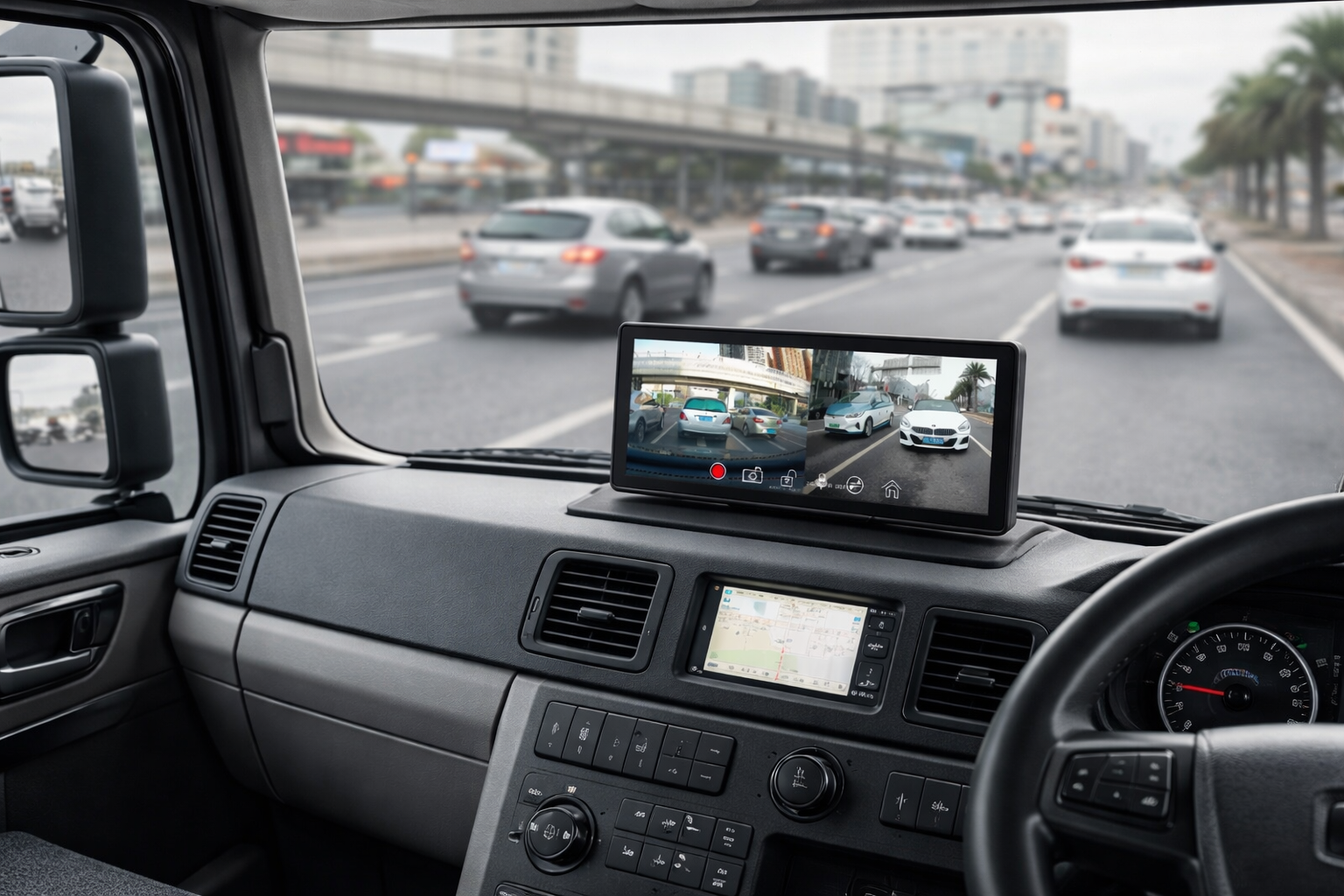
If reversing visibility is important to you, consider a dash cam with reverse camera functionality. Some systems combine rear recording with a display that helps while reversing, which is useful for larger vehicles.
How to Install a Dual Dash Cam
Installing a front and rear dash cam is more complicated than just putting in a front camera, but many drivers can manage it.
Step 1: Mount the Front Camera
Position it behind the rear-view mirror to keep your view clear. Clean the glass first to help the adhesive mount stick.
Step 2: Run the Rear Camera Cable
The cable for the rear camera typically runs along the headliner, down the door seals, and toward the back of the car. Tuck it neatly into trim gaps to keep it hidden and protected.
Step 3: Position the Rear Camera
Mount it on the inside of the rear window, centered for the best view. Make sure it’s not blocked by tint lines, stickers, or defroster elements.
Step 4: Connect Power
Most systems plug into the 12V socket. For parking mode, you’ll need a hardwire kit that connects to the fuse box so the camera can run when the car is off.
Step 5: Test Both Views
Before finishing the cable placement, power on the system and check the live feed from both cameras. Adjust angles to reduce glare and improve road coverage.
If you're not comfortable removing trim panels or working with the fuse box, hiring a professional to install it is a good option. This often results in a cleaner finish.
What Is the Best Dual Dash Cam?
The best front and rear dash cam varies from person to person. It depends on your driving habits and budget. However, top models typically include several important features:
- High-resolution recording on both cameras
- Strong night performance
- Reliable parking mode
- GPS
- A durable build suited to hot climates
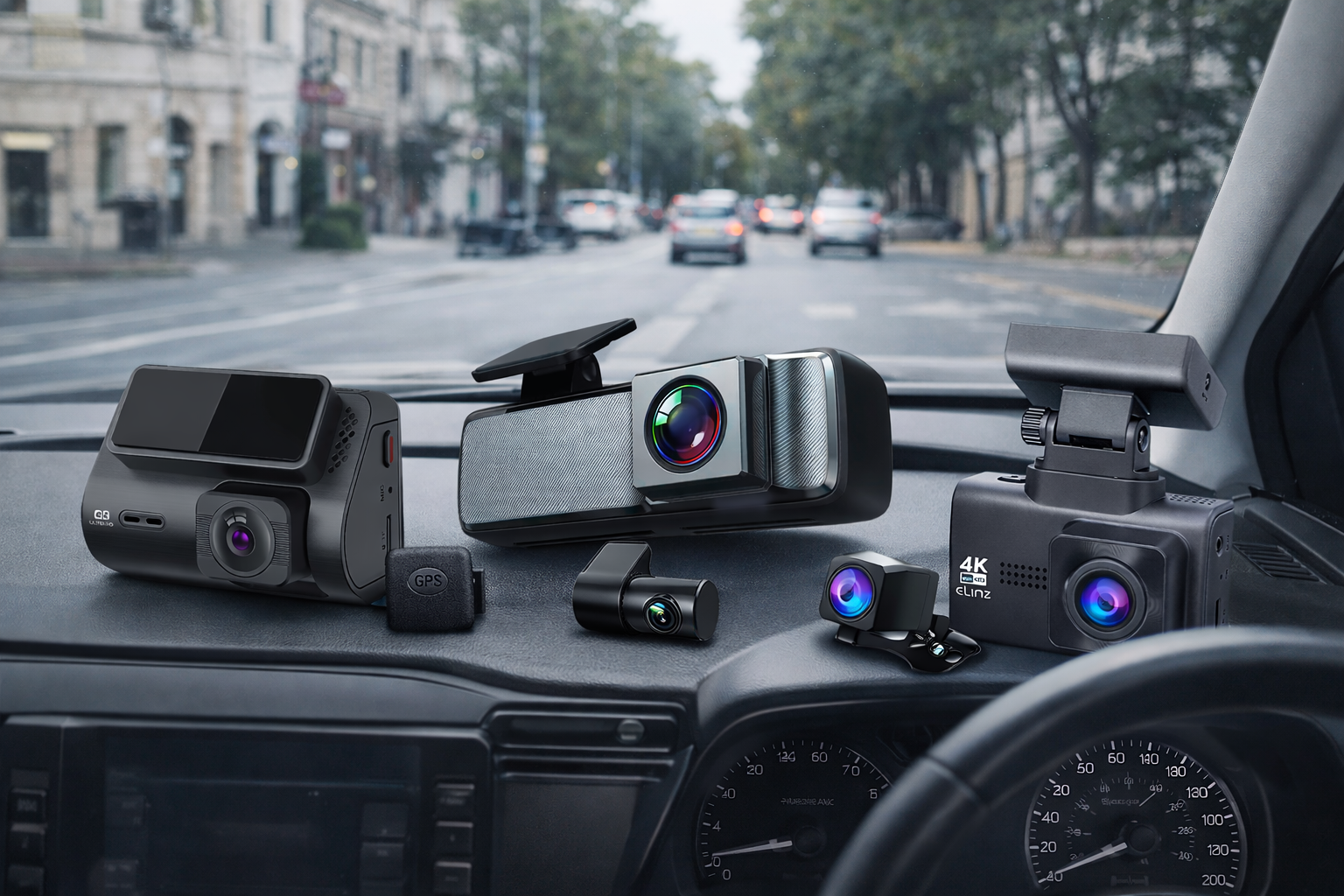
Elinz dual dash cams are designed with these essentials in mind. We offer clear front and rear recording, wide-angle coverage, and GPS support for added driving context. Our heat-resistant design is ideal for everyday driving, especially in warm conditions.
Drivers who travel long distances or drive for work often prefer systems with features like GPS logging and optional cloud connectivity. Elinz’s models meet these needs by providing reliable dual-channel recording without extra complexity.
When comparing options, pay attention to real-world reliability, video clarity in various lighting conditions, and ease of use. A well-designed dashboard camera with front and rear features should work quietly in the background without needing constant adjustments.
Why Dual Coverage Matters
Dual-lens dash cams are no longer just a luxury. They are becoming a useful safety tool for everyday drivers. By recording both the road ahead and the traffic behind, a front & rear dash camera offers better evidence, protection, and peace of mind.
From busy city streets to long regional highways, having both angles covered helps ensure you’re not relying on guesswork if something unexpected occurs. As technology improves and prices drop, it’s clear why front-and-rear coverage is quickly becoming the smart choice for today’s drivers.
Did you enjoy reading this article?
Stay updated on our latest deals and promos by following our social media accounts.
Find this article helpful? Don't forget to click on the share buttons below.