Tyre pressure is easy to overlook, especially when you are busy with work, errands or preparing for a road trip. However, driving with the wrong pressure can affect how your vehicle handles and how quickly your tyres wear. Keeping a reliable tyre inflator in your vehicle can make it easier to adjust pressure when needed, but first, it helps to understand why correct inflation matters.
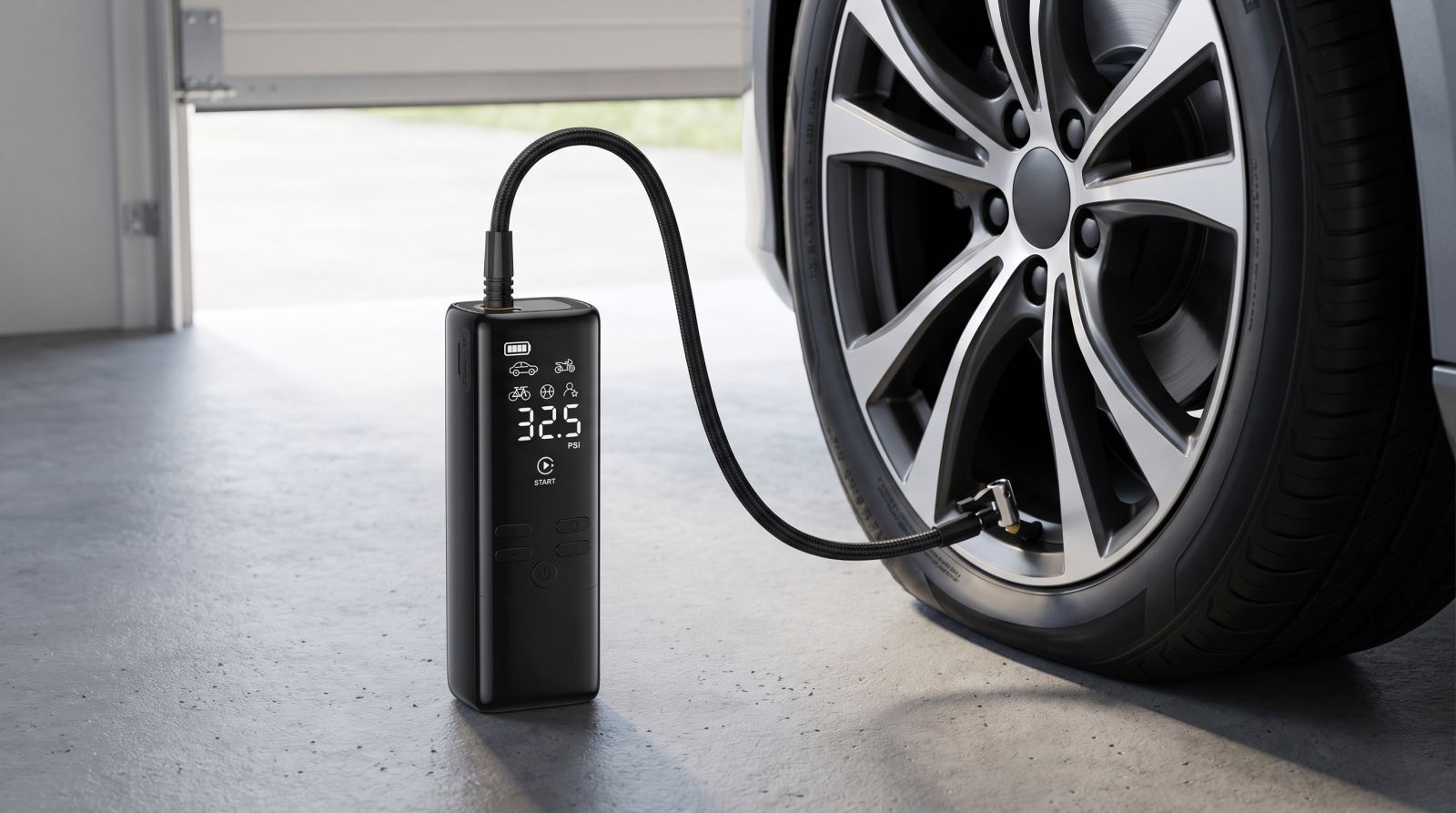
Why Correct Tyre Pressure Matters
Your tyres are the only parts of your vehicle that maintain direct contact with the road. Their pressure affects the size and shape of the contact patch, which influences grip, handling, braking and tyre wear.
The recommended pressure can vary depending on the vehicle, load and driving conditions. Check your vehicle handbook or the tyre placard for the manufacturer's recommended pressure rather than relying on the number printed on the tyre sidewall.
What Happens When Tyres Are Underinflated
Underinflation means there is not enough air in the tyre. It can happen gradually through normal air loss or suddenly because of a puncture or valve issue.
- Driving with low tyre pressure can cause:
- Increased rolling resistance, which may increase fuel consumption
- Reduced steering response and handling
- More heat buildup within the tyre
- Faster or uneven tread wear
- Greater risk of tyre damage when driving over potholes or rough surfaces
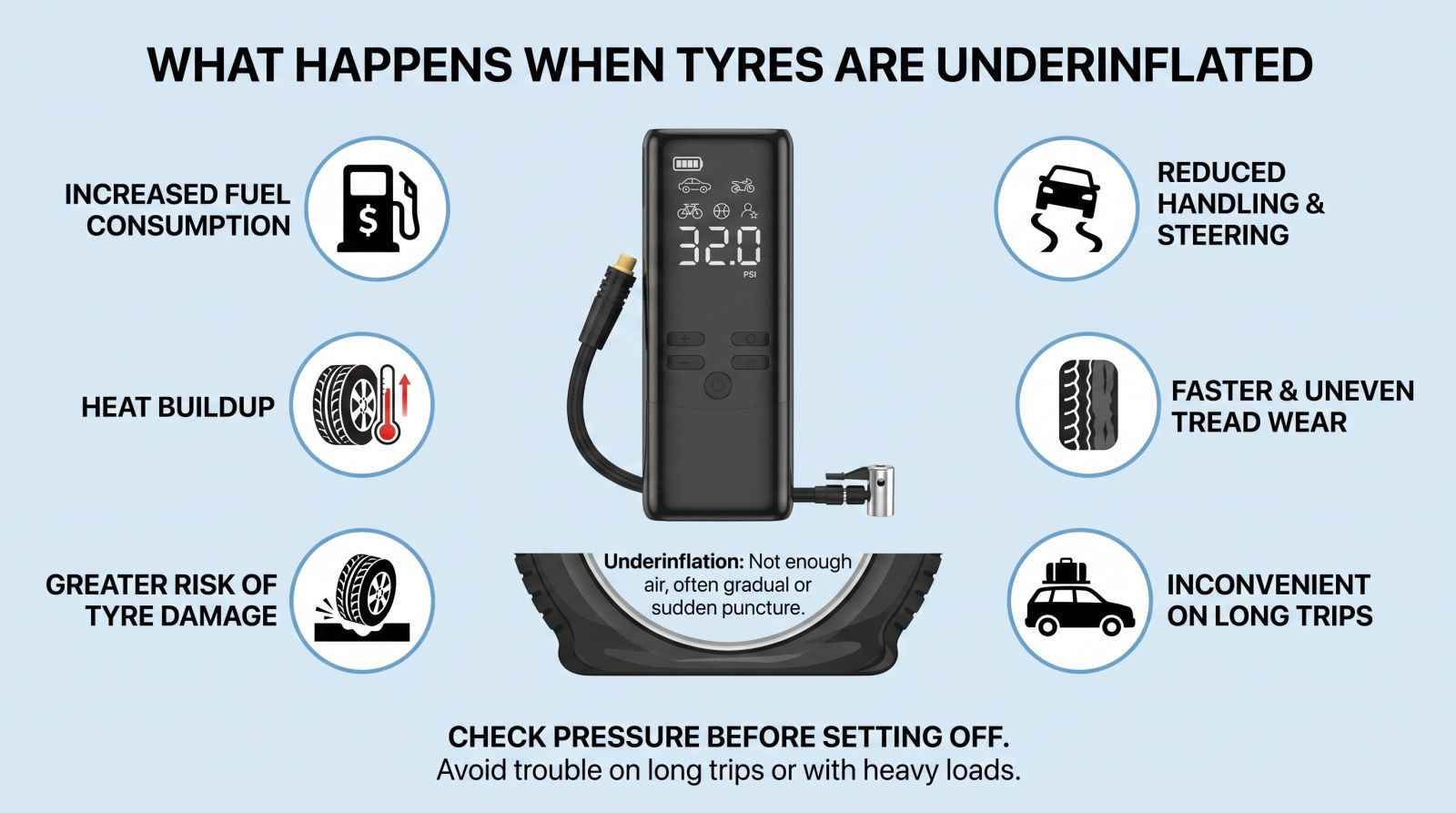
Low pressure can be particularly inconvenient on long trips, when carrying heavy loads or when towing. Checking your tyres before setting off can help identify pressure problems before they become more troublesome.
What Happens When Tyres Are Overinflated
Overinflation creates the opposite problem. When there is too much air, less of the tyre's tread may sit firmly against the road.
This can result in:
- A harsher ride over bumps
- Reduced contact with the road
- Uneven wear, particularly around the centre of the tread
- Changes in handling and steering feel
- Less effective grip in some driving conditions
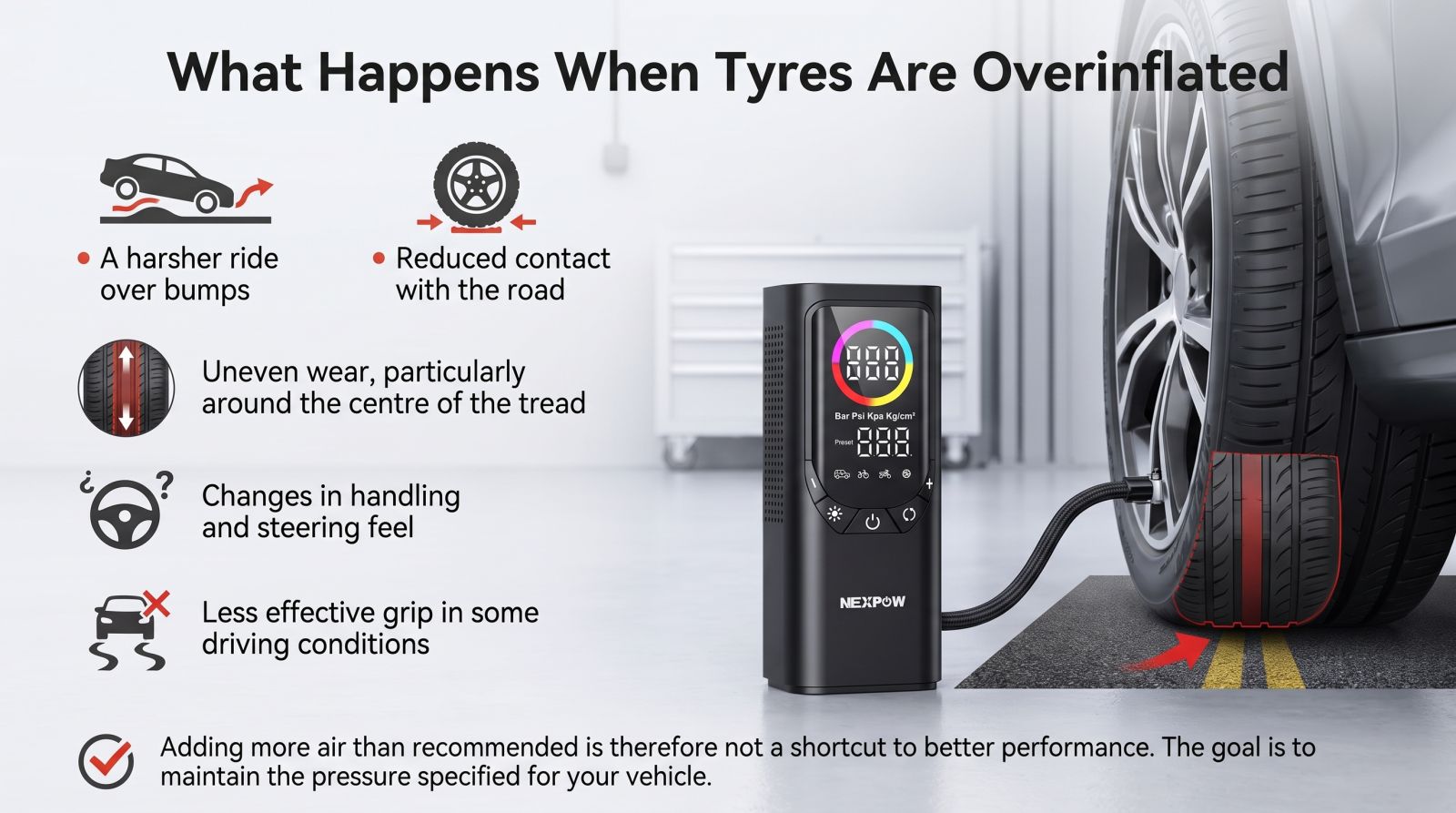
Adding more air than recommended is therefore not a shortcut to better performance. The goal is to maintain the pressure specified for your vehicle.
How to Keep Your Tyres Properly Inflated
Checking tyre pressure regularly is one of the simplest ways to stay on top of tyre maintenance. A portable tyre inflator can be useful for drivers who want a convenient option for topping up tyres at home, at work or while travelling.
For smaller adjustments, a handheld tyre inflator can also be practical because it is easy to store and carry. When checking pressure, always measure when tyres are cold where possible, and avoid immediately adjusting pressure based on a reading taken after extended driving.
Choosing the Right Inflation Tool
Different drivers may prefer different types of equipment. A digital tyre inflator can make pressure readings easier to monitor, particularly for drivers who prefer a clear digital display.
For regular vehicle maintenance, a car tyre inflator can also be a useful addition to an emergency or roadside kit. It can help you restore pressure when a tyre is low, although it should not be treated as a replacement for inspecting a damaged tyre or repairing a puncture.
How Often Should You Check Tyre Pressure
There is no need to wait until a tyre looks visibly flat. Some pressure loss can occur without being obvious from the outside.
As a practical routine, check your tyre pressure regularly and before longer journeys. It is especially worth checking before:
- Road trips
- Towing or carrying heavier loads
- Long periods of vehicle storage
- Driving on unfamiliar roads
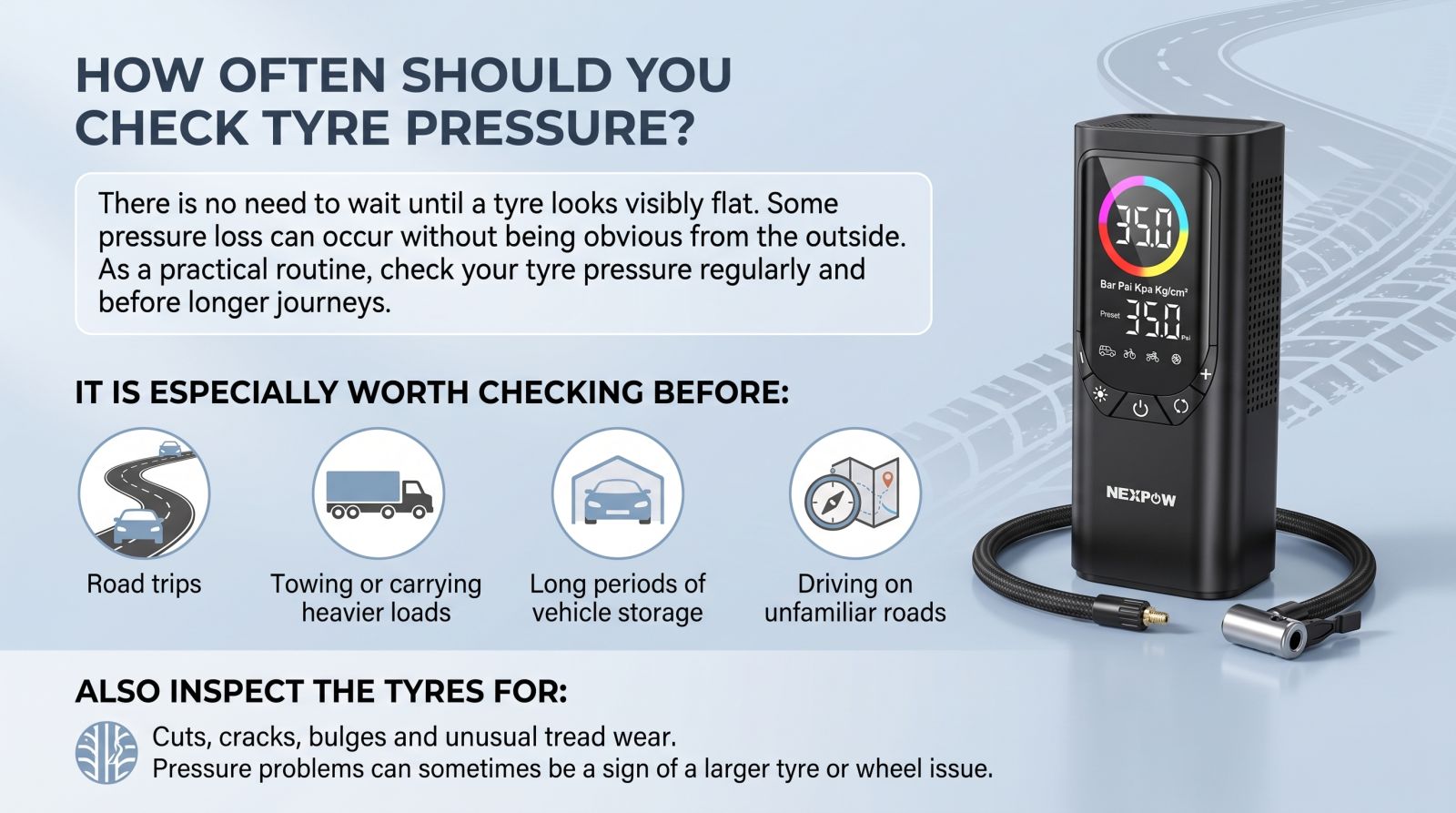
Also inspect the tyres for cuts, cracks, bulges and unusual tread wear. Pressure problems can sometimes be a sign of a larger tyre or wheel issue.
Frequently Asked Questions About Car Tyre Inflators
Is it safe to drive with an underinflated tyre?
It is best to avoid driving farther than necessary with a significantly underinflated tyre. Stop somewhere safe and check the pressure and condition of the tyre.
Can overinflated tyres cause uneven wear?
Yes. Excessive pressure can contribute to increased wear around the centre of the tread.
Should tyre pressure be checked when tyres are hot?
For the most consistent reading, check pressure when the tyres are cold. Follow the vehicle manufacturer's recommendations.
Does tyre pressure affect fuel consumption?
Yes. Underinflated tyres can increase rolling resistance, which may contribute to higher fuel consumption
.
Keep Your Tyres Ready for the Road
Correct tyre pressure supports predictable handling, even wear and efficient everyday driving. Whether you are commuting across town, heading on a road trip or towing a caravan, regular pressure checks are a simple part of vehicle maintenance. Reliable tyre inflators can make topping up easier when pressure needs attention.
For practical tyre maintenance equipment, explore Elinz products designed to help Australian drivers stay better prepared on the road.