Modern vehicles are smarter than ever, and one of the most overlooked safety features is the TPMS tyre pressure monitoring system. It quietly monitors your tyre pressure and warns you when there’s a problem. Although it may seem like a minor warning light, ignoring it can result in poor fuel efficiency, shorter tyre life, or even unsafe driving conditions. Knowing what these alerts mean helps you react quickly and prevent expensive issues later on.
.png)
What is TPMS and how it works
At its core, TPMS monitors the air pressure inside your tyres in real time. When the pressure drops below a safe level, the system triggers a warning on your dashboard. This alerts drivers early before the issue becomes serious.
There are two main types of systems. Direct systems use TPMS sensors inside each tyre to measure pressure precisely. Indirect systems, on the other hand, depend on wheel speed data from the ABS to detect changes. Both methods keep you informed, but direct systems are usually more accurate and reliable.
Common TPMS alerts and what they mean
Not all warnings are the same, and knowing what they mean can save you time and stress. TPMS sensors detect different tyre conditions and alert the driver through flashing icons, pressure readings, and sounds.
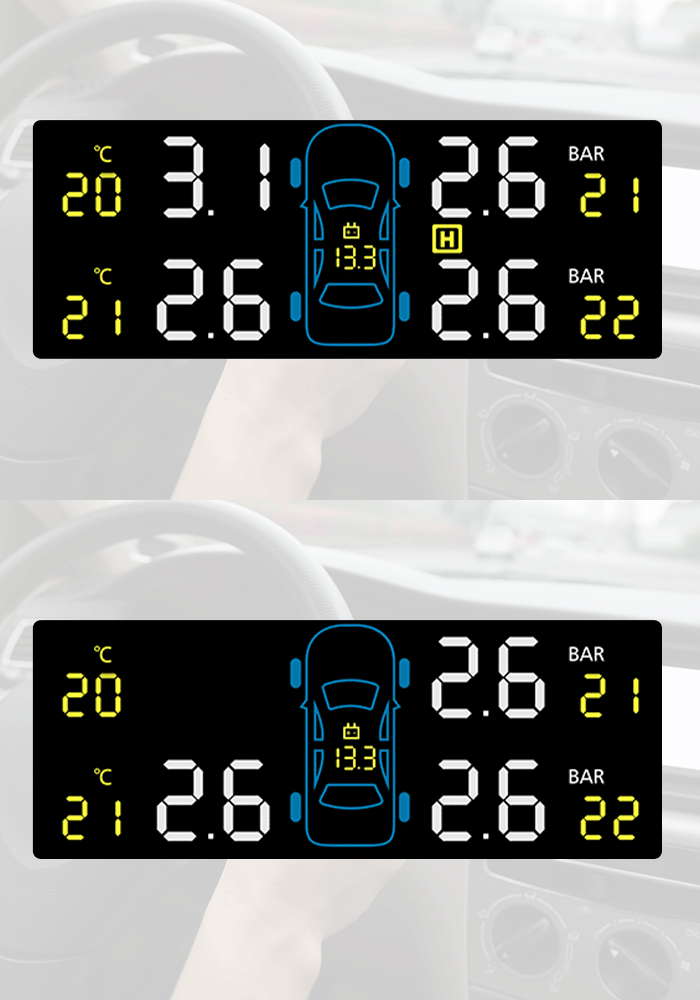
High Tyre Pressure Alert
When the tyre pressure is above the preset value, the TPMS icon and pressure reading will flash continuously, often with a sound to alert the driver. This usually happens because of over-inflation or heat expansion.
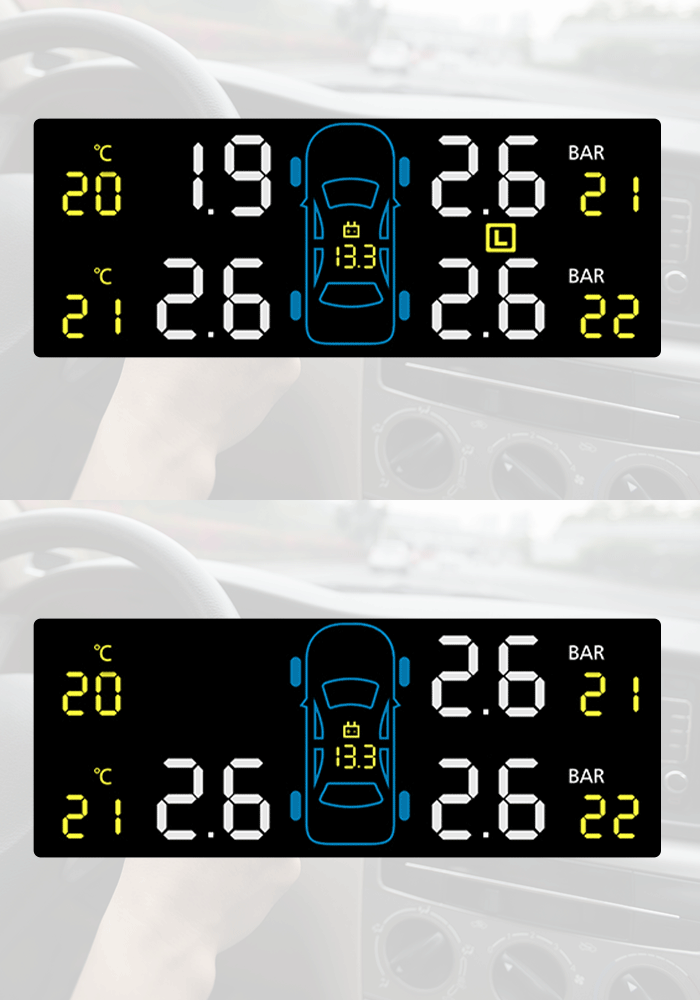
Low Tyre Pressure Alert
When the tyre pressure drops below the preset value, the TPMS icon and pressure display will flash with a sound warning. This is one of the most common alerts and may signal slow leaks, punctures, or air loss over time.
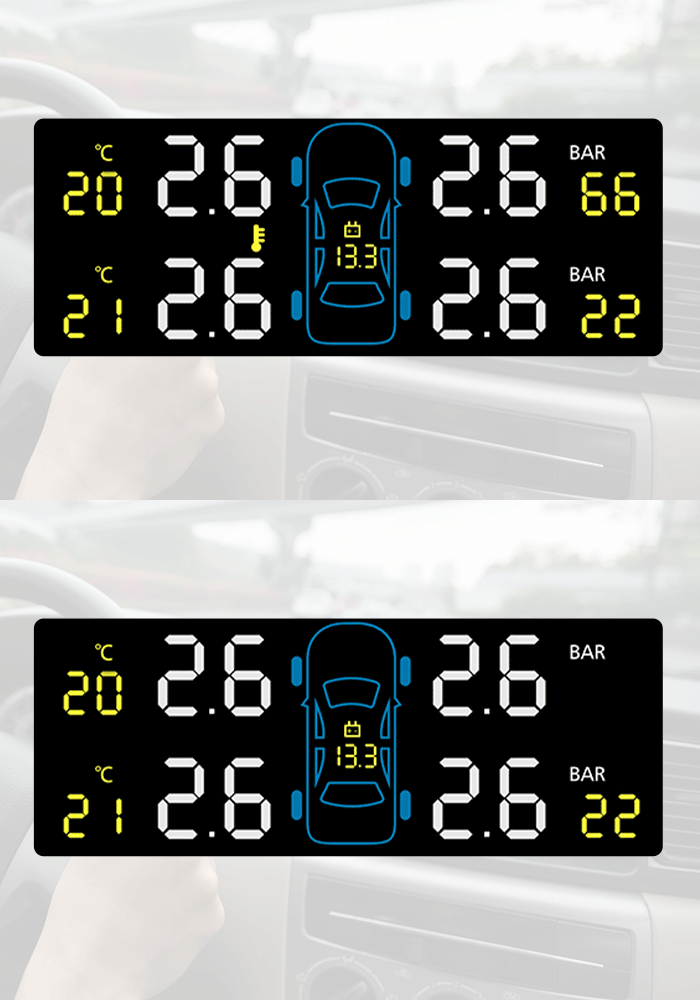
High Tyre Temperature Alert
When the tyre temperature goes over the preset limit, the system will trigger a flashing TPMS icon and pressure reading, along with a sound alarm. This can happen during long drives, heavy loads, or under-inflated tyres that cause too much friction.
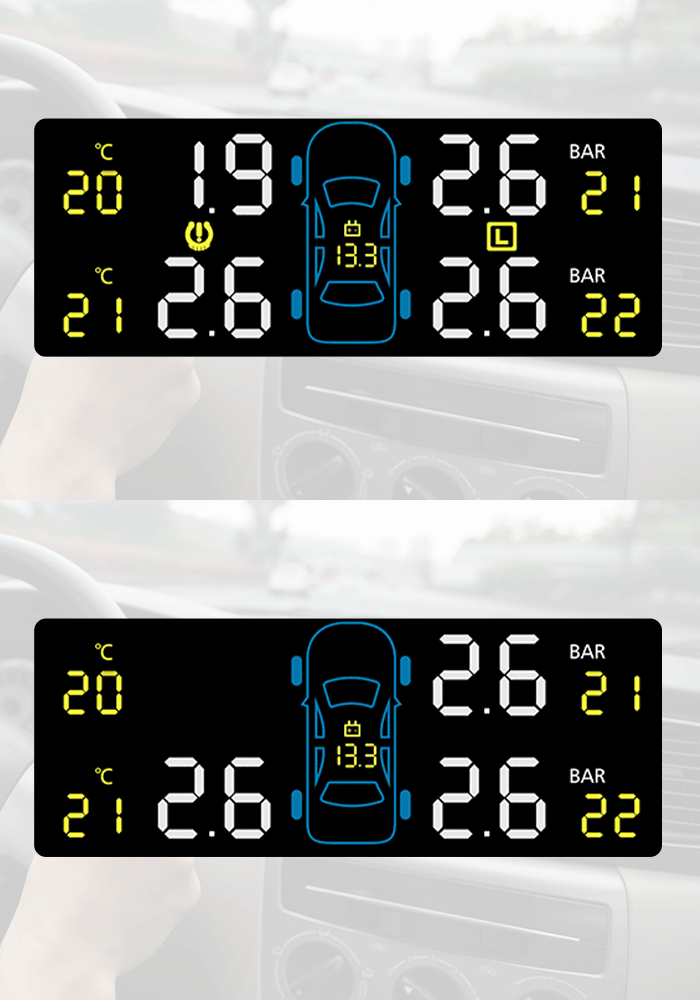
Quick Air Leakage Alert
If the sensor detects quick air loss from the tyre, the TPMS icon and pressure reading will flash right away with a loud alarm. This alert is critical and may mean a puncture or a sudden tyre failure risk.
Sensor Low Battery Alert
When the sensor battery is low, the system gives an immediate warning. The display will show a low battery indicator (“LO”) next to a flashing TPMS icon and sound alarm, indicating that the sensor might soon stop working properly.
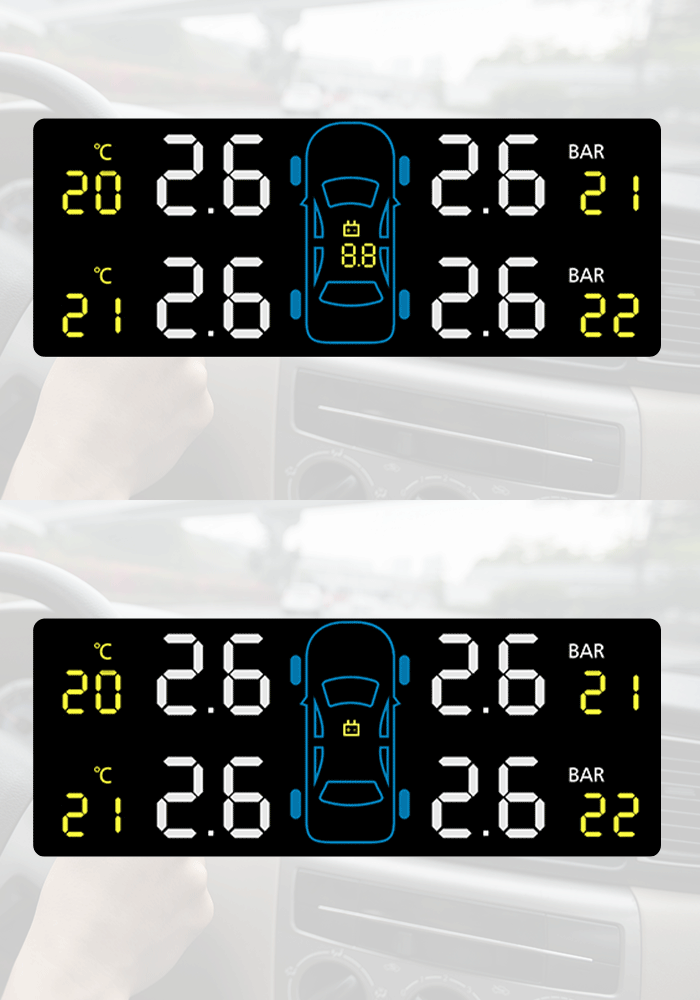
Causes of TPMS warnings you should not ignore
There are several reasons why your system might activate. The most common reason is a drop in tyre pressure, especially during colder weather when air contracts. Even a small decrease can trigger the warning.
Punctures, worn tyres, or faulty valves can also cause pressure loss. Additionally, driving over rough terrain or hitting potholes may damage internal components. Ignoring these signs can lead to uneven wear or even a tyre blowout, which is much more dangerous and costly to fix.
How to respond when your TPMS light turns on
The moment your warning light appears, don’t panic, but don’t ignore it either. Start by safely pulling over and visually inspecting your tyres. If they look fine, use a pressure gauge to check the levels.
Adjust the pressure according to your vehicle manufacturer’s recommendations. After making adjustments, some systems may reset automatically, while others need manual input. Keeping your TPMS monitoring system working correctly ensures you receive accurate alerts every time you drive.
Benefits of maintaining proper tyre pressure
Maintaining the correct tyre pressure provides more than just peace of mind. It improves fuel efficiency, extends tyre lifespan, and improves overall handling. Proper inflation also ensures better braking performance and road grip, especially in wet conditions.
When your tyre pressure TPMS is working properly, it acts as a constant safety companion. It reduces guesswork and helps you keep optimal driving conditions without frequent manual checks.

TPMS for different vehicle types and uses
While most people connect these systems with everyday cars, they are equally important for larger or specialized vehicles. For instance, a caravan TPMS monitors multiple tyres under heavier loads, ensuring safe long-distance travel.
Commercial vehicles, SUVs, and trailers can also benefit from enhanced monitoring systems. These setups often include extra sensors and displays, providing drivers with more detailed information about tyre performance across all wheels.
Understanding regulations and usage in Australia
More motorists use TPMS in Australia as awareness of tyre safety grows. Not all vehicles are required to have these systems by law, but many newer models include them as standard. This reflects a broader trend toward safer driving and fewer road accidents.
Drivers should regularly check their systems to make sure they are working properly. Even if your vehicle doesn’t need one, putting in a good system can be a wise investment for long-term safety.
Simple tips to keep your TPMS reliable
Keeping your system in good condition doesn’t require much effort. Regularly check your tyre pressure, especially before long trips. Replace sensor batteries when needed, and make sure tyres are rotated and balanced properly.
It's also important to recalibrate the system after tyre replacements or rotations. A well-maintained TPMS tyre pressure setup provides accurate readings and reliable alerts, helping you stay safe on every journey.
.png)
Staying safe with TPMS
Understanding how your tyre monitoring system works gives you an advantage as a driver. It’s not just about reacting to warnings; it’s about preventing them. With proper care and awareness, your TPMS tyre pressure monitoring system becomes a powerful tool for safety, efficiency, and confidence on the road.
Taking a few minutes to learn about and maintain your system can make a big difference. After all, safe driving starts from the ground up, right where your tyres meet the road.
Did you enjoy reading this article?
Stay updated on our latest deals and promos by following our social media accounts.
Find this article helpful? Don't forget to click on the share buttons below.