A flat or low tyre can quickly turn a normal drive into an inconvenient roadside stop. Having the right equipment in your vehicle can make it easier to restore pressure and get back on the road. A tyre inflator is designed specifically for inflating vehicle tyres, but how does it compare with a larger air compressor?
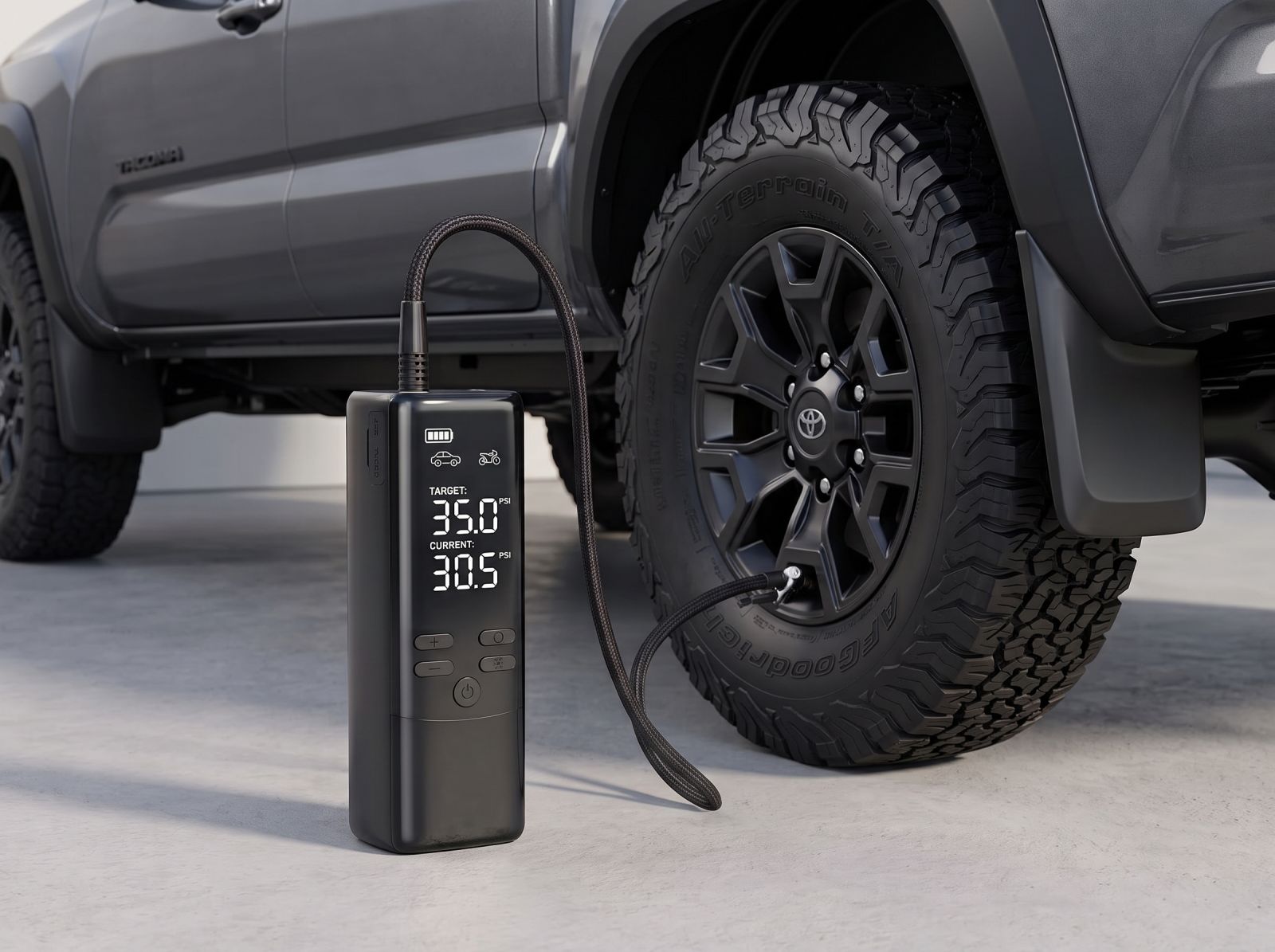
Although both use compressed air, they are designed with different priorities in mind. One focuses on portability and convenience, while the other can offer greater versatility and air capacity. Understanding the difference can help you choose the right option for your car, caravan, 4WD or work vehicle.
What Is a Portable Tyre Inflator
A portable tyre inflator is a compact device designed primarily to add air to vehicle tyres. Many models are small enough to store in a boot, glovebox or roadside emergency kit, making them useful when you notice low pressure away from home.
Their main advantage is convenience. Instead of finding a service station with an air station, you can keep one available for roadside top-ups, preparing for a long trip or maintaining recommended tyre pressure at home.
Depending on the model, power may come from a vehicle's 12V outlet, a rechargeable battery or another suitable power source. Digital displays and preset pressure functions can also make checking and adjusting tyre pressure more straightforward.
What Is an Air Compressor
An air compressor is a more general-purpose machine that compresses air into a tank or supplies pressurised air directly through a hose. Compressors are commonly used for automotive work, tools, cleaning and other tasks that require a steady supply of compressed air.
They are available in many sizes. A compact compressor may be suitable for basic vehicle tasks, while larger workshop models can provide significantly more air for pneumatic tools and other equipment.
This versatility is the key difference. An air compressor is not necessarily designed around vehicle portability, whereas a dedicated tyre inflation device is generally built with convenience and vehicle use in mind.
Portable Design Makes a Difference
When choosing between the two, consider where and how you plan to use the equipment.
A compact inflation device is generally easier to carry and store. This can be particularly useful for Australian drivers who regularly travel long distances, go camping or take road trips where access to facilities may be limited.
A larger compressor can make more sense if you already have a garage, workshop or dedicated workspace. It may be less convenient to carry in a daily vehicle, particularly when storage space is limited.
For emergency preparedness, size and accessibility can matter just as much as inflation capability.
Comparing Inflation Performance
Both types of equipment can inflate tyres, but their performance can vary considerably depending on the model.
A handheld tyre inflator is generally designed for smaller, convenient inflation jobs. It can be useful for topping up pressure or dealing with a tyre that has gradually lost air. Compact models may take longer with larger tyres, so checking the manufacturer's specifications is important.
An air compressor may have a larger motor and greater air capacity, particularly when comparing workshop-style models. This can make it more suitable for repeated inflation tasks or larger applications.
However, bigger does not automatically mean better for every driver. If your main requirement is keeping your vehicle's tyres correctly inflated, a smaller dedicated device may be more practical.
Which Option Is Better for Your Car
For everyday motorists, convenience is often the deciding factor.
A car tyre inflator can be useful for routine pressure checks and adjustments, particularly before long drives. Keeping one in the vehicle means you have an additional option if a tyre becomes underinflated while travelling.
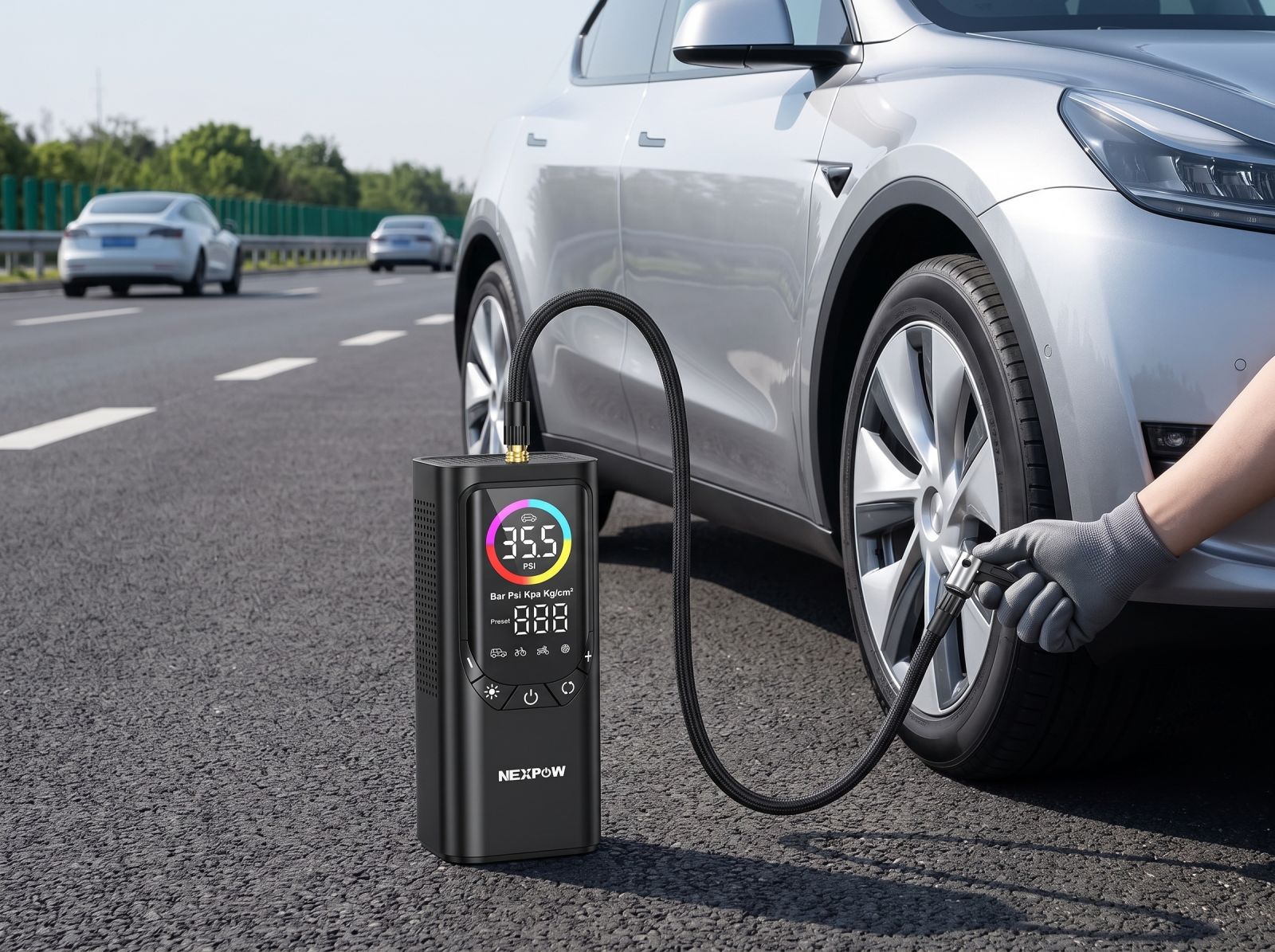
An air compressor is worth considering if you need more than tyre inflation. It can be a better fit for a home garage, workshop or vehicle owner who also uses pneumatic tools and other air-powered equipment.
Think about your typical needs rather than simply choosing the most powerful option. A compact solution that you actually keep in your vehicle can be more useful on the road than a larger machine sitting at home.
Portability and Power Requirements
Power is another important consideration.
Some compact models connect directly to a vehicle's power outlet, while cordless versions use rechargeable batteries. Cordless designs can be convenient when you want to avoid running a cable to the vehicle's power socket, but they need to be charged before use.
Larger compressors typically require a suitable mains power source, although portable compressor options are also available. Before purchasing, check how the equipment is powered and whether it suits your intended location.
For road trips and emergency kits, a compact design with an appropriate power source can simplify roadside use.
When an Air Compressor Makes More Sense
A compressor can be the better choice when your needs extend beyond vehicle tyres.
It may be useful for:
- Running compatible pneumatic tools
- Inflating various items around a workshop
- Repeated inflation jobs
- Garage and maintenance tasks
- Applications requiring a larger air supply
If you mainly need equipment for automotive tyre maintenance, however, the additional size and capability of a workshop compressor may not be necessary.
When a Portable Option Is the Practical Choice
A compact inflation device is particularly useful when convenience, storage and roadside readiness are priorities.
It can suit drivers who:
- Want equipment stored in the vehicle
- Regularly travel long distances
- Take road trips or camping trips
- Want to check pressure at home
- Need a convenient solution for occasional top-ups
- Have limited storage space
For many everyday drivers, having a compact option readily available can make tyre maintenance easier and less dependent on nearby services.
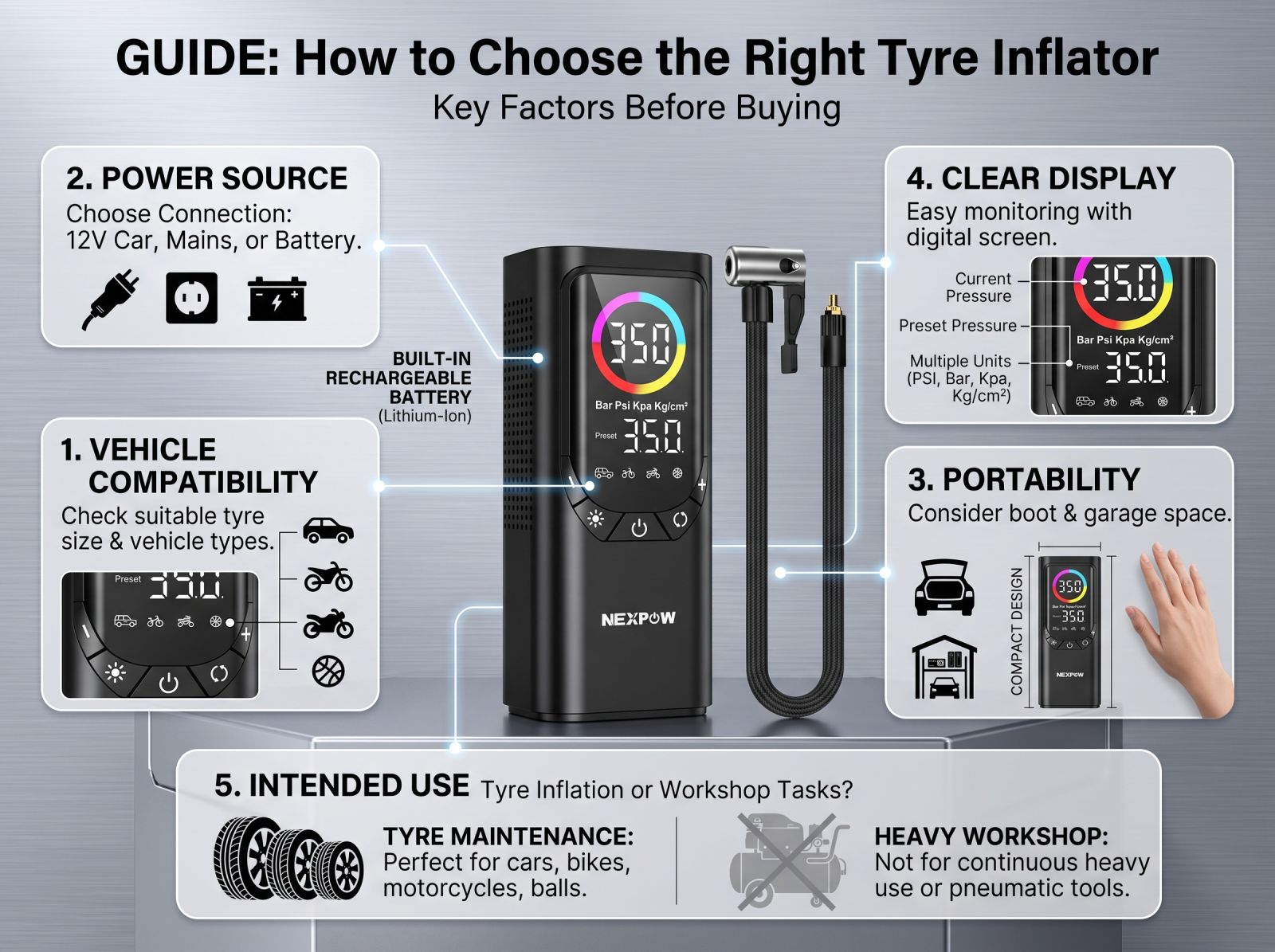
How to Choose the Right One
Before buying, consider a few practical factors:
- Vehicle compatibility: Check whether the device is suitable for your tyre size and intended vehicle.
- Power source: Decide whether you prefer a 12V connection, rechargeable battery or mains-powered equipment.
- Portability: Consider how much boot or garage space you have available.
- Pressure display: A clear digital display can make it easier to monitor pressure while inflating.
- Intended use: Think about whether you only need tyre inflation or also want equipment for workshop tasks.
The best choice depends on how you plan to use it. There is little benefit in carrying a bulky compressor if your primary goal is occasional tyre maintenance.
Frequently Asked Questions
Can a portable inflator replace an air compressor?
For basic tyre inflation, a compact model may be sufficient. It is not necessarily a replacement for a larger compressor when pneumatic tools or other high-volume applications are involved.
Is a compressor better for large vehicle tyres?
It depends on the model and its specifications. Larger compressors can provide greater air capacity, but some compact automotive models are also designed to handle larger tyres.
Should I keep an inflation device in my car?
Keeping one in the vehicle can be useful for checking and correcting tyre pressure while travelling, particularly on longer trips or in areas where services may be limited.
How often should I check tyre pressure?
Check your tyre pressure regularly and before longer journeys. Always follow the vehicle manufacturer's recommended pressure rather than relying on the appearance of the tyre.
Choose the Right Equipment for Your Needs
A portable solution and an air compressor perform a similar basic job, but they are designed for different situations. Compact equipment focuses on convenience, storage and vehicle use, while larger compressors offer broader functionality for garages and workshops.
For everyday drivers, choosing equipment that is easy to carry, simple to operate and suitable for their vehicle can make routine tyre maintenance more convenient. When comparing tyre inflators, focus on your vehicle, power requirements, storage space and intended use rather than simply choosing the largest option. Explore Elinz automotive solutions to find practical equipment for everyday driving and roadside preparedness.