Driving on dark country roads, travelling through the outback or heading off-road after sunset can make visibility a real challenge. While standard headlights are essential, they may not always provide enough illumination for every driving situation. That's where LED driving lights and LED light bars come in, offering additional light to help drivers see the road ahead more clearly.
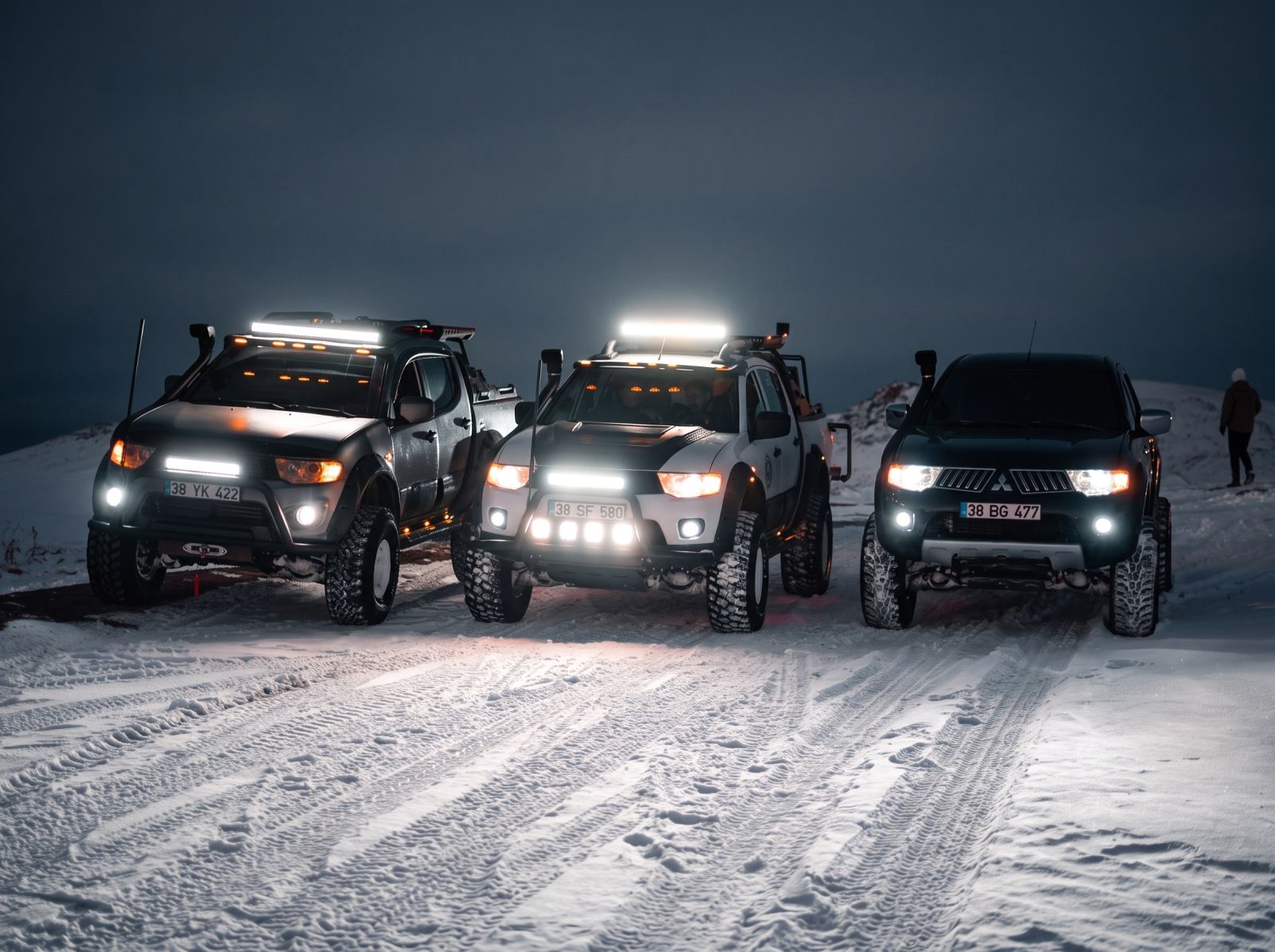
Although both options improve forward visibility, they differ in beam patterns, mounting positions and practical applications. Understanding these differences can help you choose the right lighting setup for your vehicle, driving habits and budget.
What Are LED Driving Lights and How Do They Work
Designed to provide additional forward illumination, driving lights are commonly mounted on the front of a vehicle, usually on the bull bar or bumper. They typically produce a focused beam that reaches further down the road, helping drivers identify potential hazards earlier.
They are particularly useful for:
- Country driving with limited street lighting
- Long-distance trips on open highways
- Spotting animals near the roadside
- Driving in remote areas after dark
Their concentrated beam makes them a practical choice for drivers who prioritise long-distance visibility over a wider spread of light.
What Makes LED Light Bars Different
A wider beam for broader forward illumination.
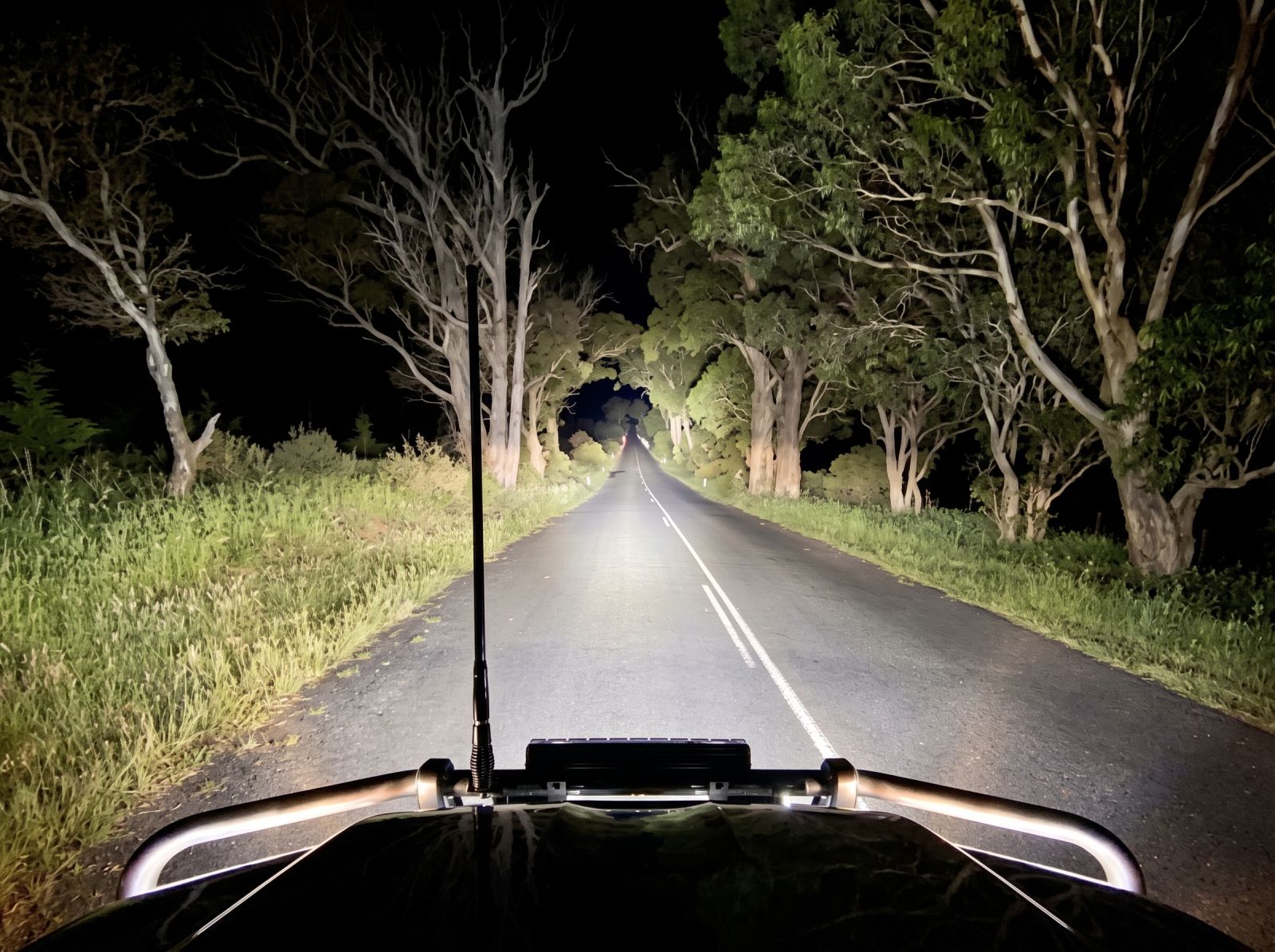
A LED light bar uses rows of LEDs arranged in a long, compact housing. Depending on their design, they can distribute light across a wide area while still providing useful forward reach.
This broader coverage can be beneficial when driving on unlit roads with bends, navigating bush tracks or travelling across uneven terrain.
Common advantages include:
- Wider illumination: Helps light up more of the road and surrounding areas.
- Flexible mounting: Can be fitted to suitable bull bars, grilles or roof-mounted brackets.
- Versatile applications: Useful for touring, off-road driving and selected work vehicles.
However, the actual beam pattern depends on the light bar's design. Some models prioritise distance, while others focus on broad coverage.
LED Light Bars vs Driving Lights for Night Driving
The better option depends on where and how you drive. Neither lighting type is automatically superior in every situation.
|
Feature
|
LED Driving Lights
|
LED Light Bars
|
|
Beam pattern
|
Often focused and long-range
|
Often wider, depending on design
|
|
Road visibility
|
Useful for seeing further ahead
|
Useful for illuminating a broader area
|
|
Best suited to
|
Open roads and long-distance travel
|
Touring, off-road tracks and wider coverage
|
|
Mounting
|
Commonly bull bar or bumper
|
Bull bar, grille or suitable roof mounting
|
|
Main consideration
|
Beam direction and reach
|
Beam width, reach and mounting position
|
For regular highway travel through rural areas, a focused beam may be more useful for spotting distant hazards. For off-road adventures, broader illumination can help reveal obstacles around bends and across tracks.
Which Automotive LED Lights Suit Your Driving Style
Your usual driving conditions should guide your decision more than appearance or brightness figures alone.
Choose focused lights for open roads.
If you regularly drive on long, dark stretches of highway, a pair of automotive LED lights with long-range lamps may provide the forward reach you need. They can help you identify hazards further ahead, provided the beam is aimed correctly.
Choose a light bar for broader coverage
If your vehicle is frequently used for camping, touring or navigating winding tracks, a wider beam may help illuminate the surrounding terrain. This can be especially useful when visibility is limited beyond the immediate path.
Consider a combined setup
Some drivers benefit from using both types together. A focused beam can illuminate distant areas while a wider beam fills in more of the foreground. Before combining them, check that the lights work well together without creating excessive glare or distracting reflections.
Are 4x4 Driving Lights Worth Installing
For drivers who regularly travel beyond well-lit urban streets, 4x4 driving lights can be a practical addition. They may be particularly helpful for touring, towing caravans and travelling through regional areas where wildlife can appear near the road.
When choosing a setup, consider your vehicle's mounting options, electrical requirements, beam pattern and the conditions you encounter most often. Also check Australian road rules for auxiliary lighting, including requirements for approved equipment, positioning, wiring and use on public roads.
Remember that brighter lighting does not replace sensible driving. Reduce your speed when visibility is limited and dip auxiliary high-beam lights when required.
How to Choose the Right Car LED Light Setup
Look beyond brightness when comparing options.
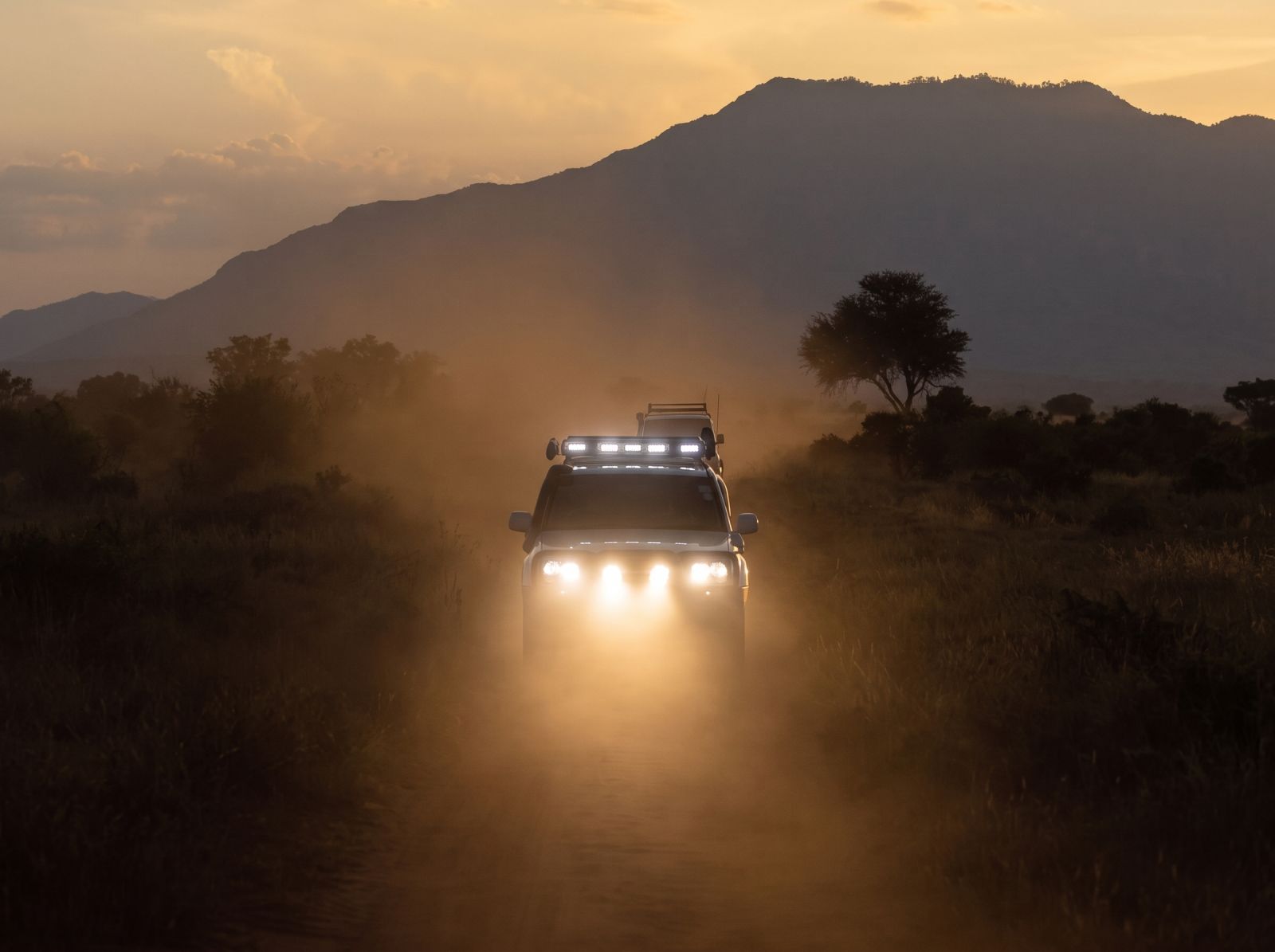
Before purchasing, compare these practical factors:
- Beam pattern: Decide whether you need long-distance reach, wider coverage or both.
- Brightness and light output: Compare measured output and beam performance rather than relying on advertised wattage alone.
- Build quality: Look for suitable dust and water resistance if you drive on rough tracks or in wet conditions.
- Installation: Check mounting compatibility, wiring needs and electrical load.
- Legal compliance: Confirm the setup meets relevant Australian requirements for your intended use.
A well-matched car LED light system can be more useful than choosing the brightest option available.
Frequently Asked Questions
Are light bars better than driving lights?
Not necessarily. Focused lamps are often better for long-distance illumination, while many light bars provide broader coverage. Your driving environment determines which is more suitable.
Can I install both lighting types on my 4WD?
Yes, some vehicles can accommodate both. Check mounting space, electrical capacity, beam compatibility and applicable road rules before installation.
Do LED lights improve night-driving visibility?
They can provide additional illumination when correctly selected and installed. Actual results depend on beam design, alignment, road conditions and the performance of your existing headlights.
Find the Right Car LED Lights for Your Needs
Choosing between a focused beam and broader illumination comes down to your driving habits. Long-distance country travel may benefit from focused lamps, while touring and off-road driving may call for wider coverage. A combination can also work well when properly configured.
Explore Elinz's range of car LED lights to compare practical lighting options for your vehicle. Choose a setup that suits your needs, and always prioritise correct installation, responsible use and compliance with Australian road rules.
Did you enjoy reading this article?
Stay updated on our latest deals and promos by following our social media accounts.
Find this article helpful? Don't forget to click on the share buttons below.