Choosing an inverter can seem straightforward until you start comparing wattage ratings. A pure sine wave inverter may be rated at 1000W, 2000W or more, but what do those numbers actually mean? Understanding continuous and peak power can help you choose an inverter that matches your devices without unnecessarily oversizing your setup.
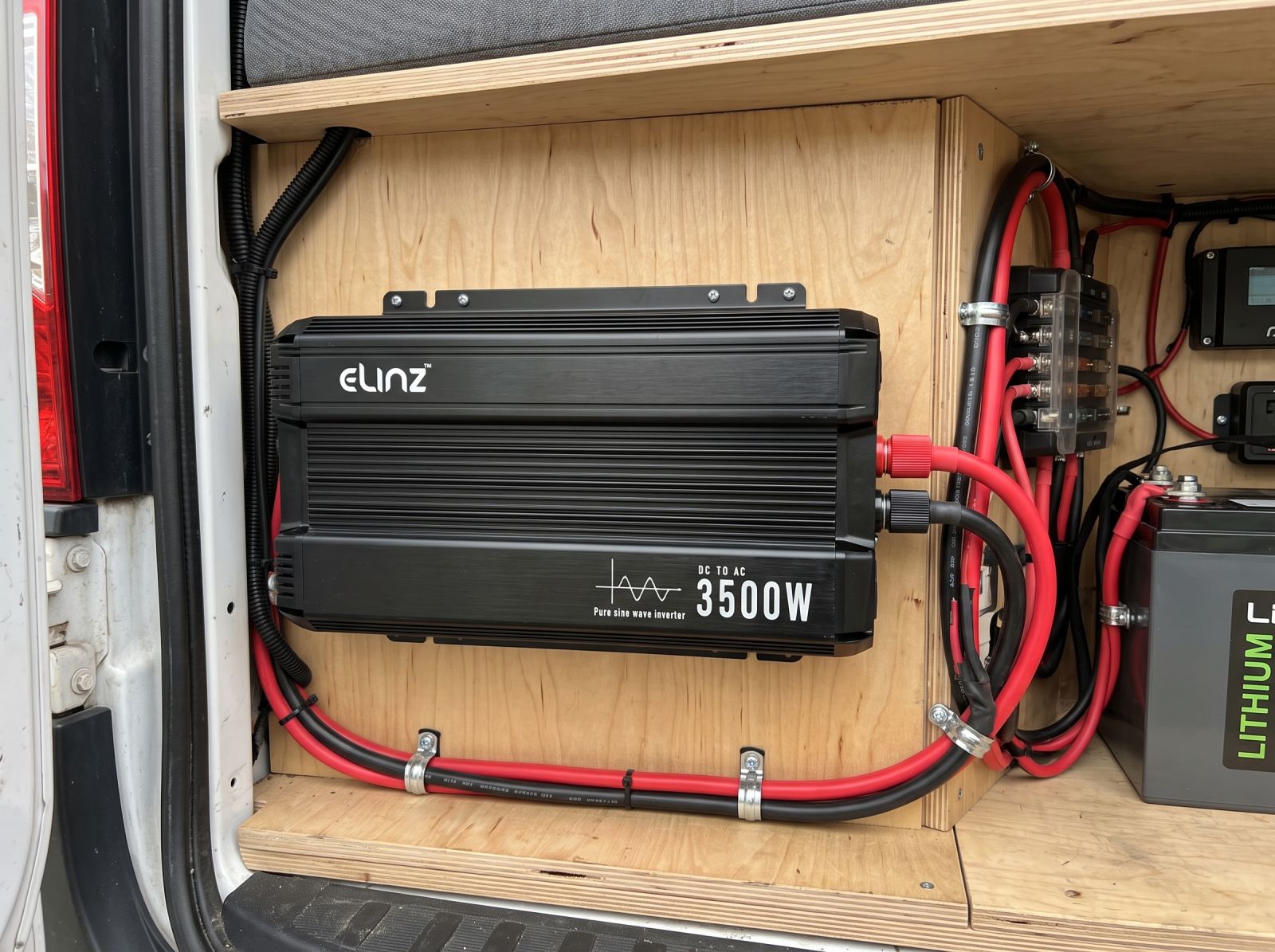
What Inverter Wattage Really Means
An automotive power inverter converts DC power from a battery into AC power that can run compatible appliances and electronics.
Its wattage rating tells you how much electrical power it can provide.
There are two important ratings to understand:
- Continuous power is the amount of power the inverter can provide during normal operation.
- Peak power is the higher amount of power available for a short period when a device initially starts.
The distinction matters because some appliances require considerably more power when switched on than they use once running.
Why Continuous Power Matters Most
Continuous wattage is usually the most important figure when matching an inverter to your everyday devices.
For example, if your equipment regularly uses 700W, an inverter rated for 700W or less would not provide much operating headroom. Choosing an inverter with additional capacity can be more practical, particularly if you expect to connect more than one device.
When calculating your needs, add together the running wattage of the appliances you expect to use at the same time. Then choose an inverter with enough continuous capacity to handle that total.
How Peak Power Handles Startup Demands
Some appliances have motors, compressors or other components that draw additional electricity when starting. A refrigerator, power tool or pump may therefore need considerably more power for a brief moment than its normal running consumption.
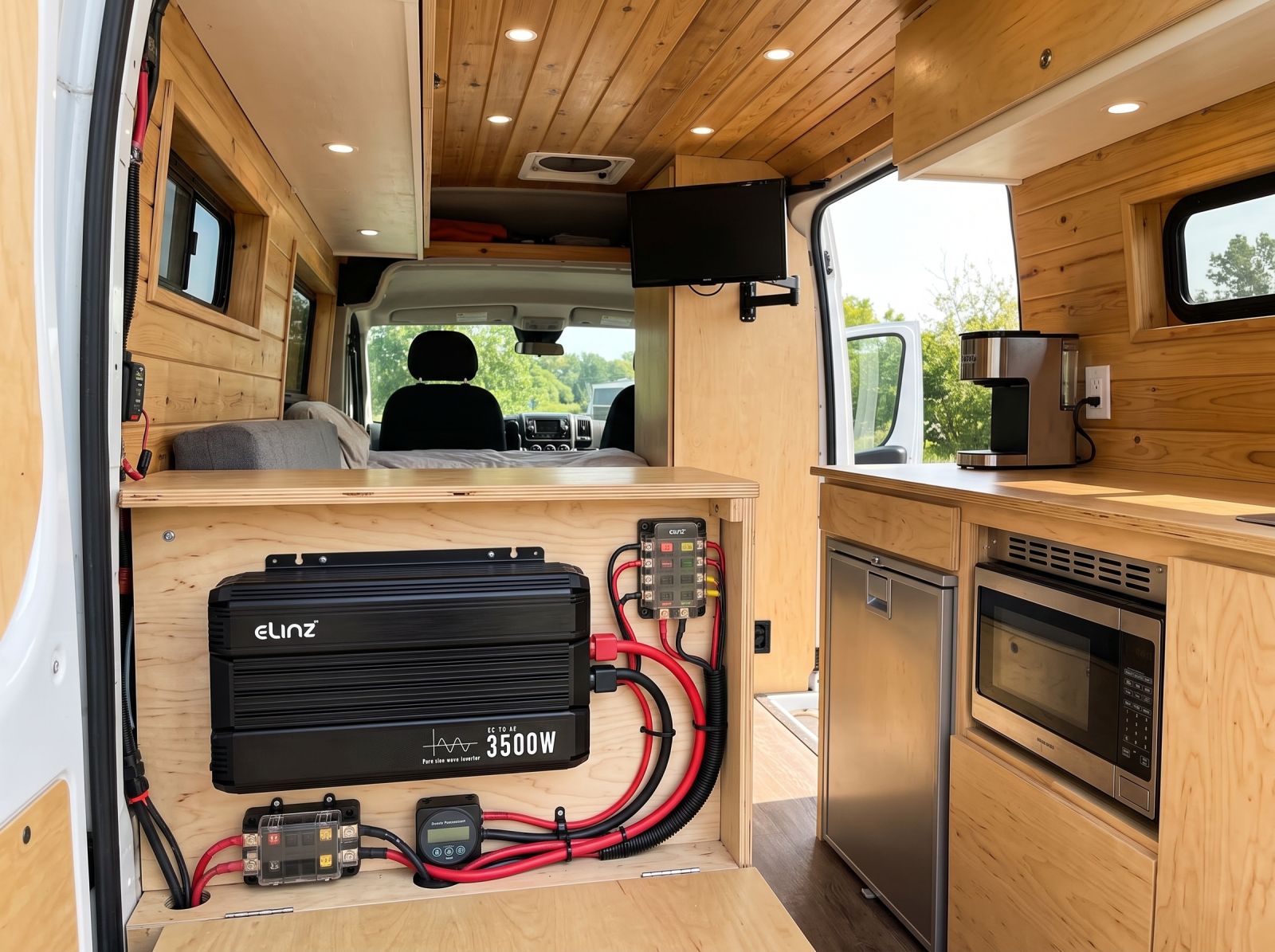
This is where peak wattage becomes important. An inverter with a suitable peak rating can accommodate these short startup demands without relying solely on its continuous rating.
Always check the power requirements of your specific appliances rather than assuming that every device has the same startup behaviour.
Choosing Between Common Wattage Ratings
Different inverter sizes suit different applications.
A 1000w inverter can be useful for smaller electronics and lower-power equipment, provided their combined running and startup requirements remain within the inverter's limits.
A 2000 watt inverter provides more capacity for larger combinations of appliances, making it worth considering for road trips, work vehicles or other situations where several devices may need power.
For higher-demand equipment, a 3000w inverter can provide greater capacity. However, a larger inverter is not automatically better. Higher power requirements also mean greater demands on the vehicle or battery system.
Matching an Inverter to Your Vehicle
A 12v to 240v inverter is commonly considered for vehicles using a 12V electrical system when AC-powered equipment is needed away from a standard household outlet.
For smaller vehicle electronics, a 12v inverter may be sufficient. The key is to consider the actual wattage of the devices you intend to operate rather than selecting an inverter based purely on its maximum rating.
A power inverter for car use can be practical for road trips, work vehicles, camping and emergency preparedness, but installation and electrical connections should always suit the vehicle and the inverter's requirements.
What Makes an Automotive Power Inverter Practical
An inverter can turn available vehicle battery power into usable AC power for compatible equipment. This can be handy when travelling, working remotely or camping where mains electricity is not readily available.
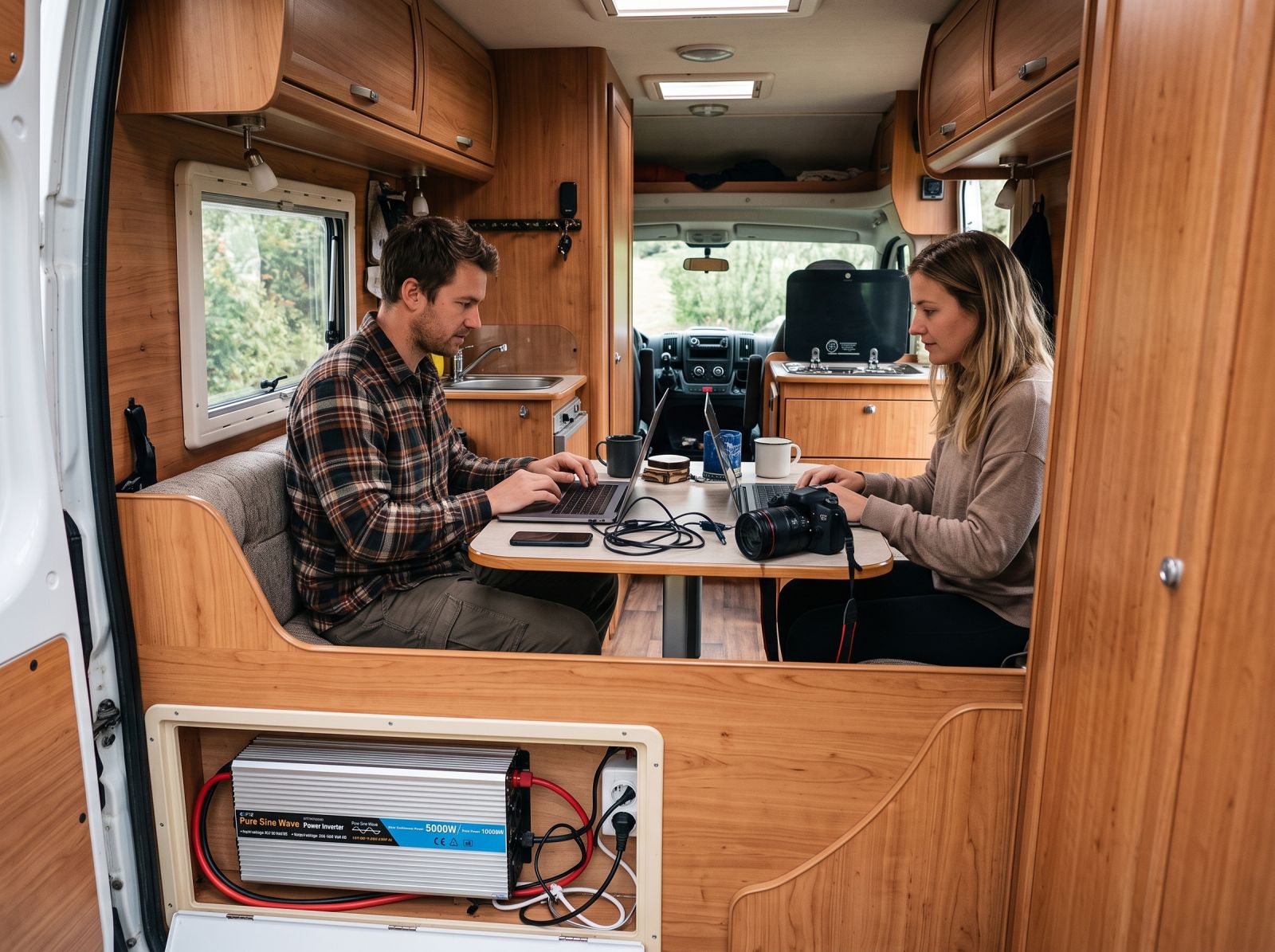
Before connecting anything, check the inverter's continuous and peak ratings, the appliance requirements and the vehicle's electrical capacity. Avoid exceeding the inverter's rated output.
Frequently Asked Questions
Is peak wattage more important than continuous wattage?
Not usually. Continuous wattage determines how much power the inverter can supply during normal operation, while peak wattage mainly helps accommodate short startup demands.
How much inverter wattage do I need?
Add the running wattage of the devices you plan to operate simultaneously and check whether any have higher startup requirements. Select an inverter with suitable continuous and peak capacity.
Can a larger inverter damage my car?
A larger-rated inverter does not automatically damage a vehicle, but it may place greater demands on the vehicle's electrical system when heavily loaded. Always follow the manufacturer's installation and usage requirements.
Should I use all of an inverter's rated wattage?
It is generally practical to leave some capacity rather than constantly operating at the maximum rating. This also gives you more flexibility when connecting additional equipment.
Choose the Right Power Capacity for Your Needs
Understanding continuous versus peak wattage makes it easier to compare inverter sizes and choose a setup suited to your actual devices. Whether you're powering equipment during a road trip, camping or using a work vehicle, focus on running requirements, startup demands and the capacity of your vehicle's electrical system.
Explore Elinz power inverter for car options to find a practical solution for your vehicle and power requirements.
Did you enjoy reading this article?
Stay updated on our latest deals and promos by following our social media accounts.
Find this article helpful? Don't forget to click on the share buttons below.