A dash cam can only capture useful footage if it has a clear view of the road. Whether you are commuting through busy streets, travelling on a long road trip or towing a caravan, positioning your dash cam in Australia correctly can make a noticeable difference to what appears in your recordings.
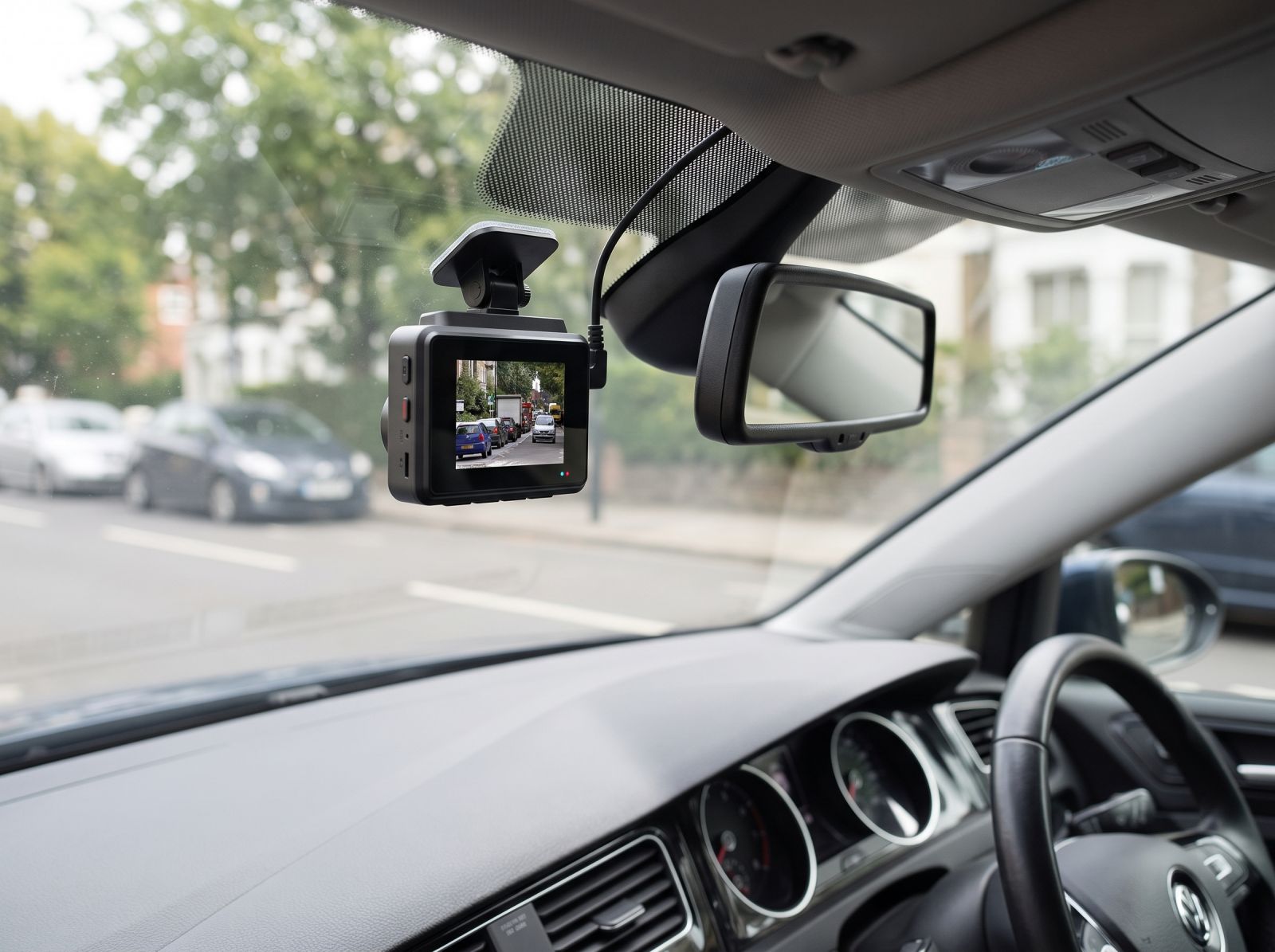
A poorly positioned unit may capture too much of the dashboard, miss important details or leave parts of the road outside the frame. The good news is that getting the angle right usually takes only a few simple adjustments.
Choose the Right Position on Your Windscreen
For most vehicles, the ideal position is high on the windscreen and close to the centre. This gives the camera a balanced view of the road ahead while keeping it relatively unobtrusive.
Avoid placing it too far towards the driver's or passenger's side, as this can create an uneven perspective. You should also make sure the unit does not interfere with your view through the windscreen.
Before permanently mounting it, sit in the driver's seat and check whether the camera blocks any important part of your forward visibility.
Keep the Lens Level With the Road
Once the camera is mounted, adjust the lens so it points towards the road rather than towards the sky or bonnet.
A useful starting point is to have the horizon sitting around the upper or middle portion of the recording. This provides enough road coverage while still showing useful details further ahead.
If the lens points too high, you may capture excessive sky and lose road detail. If it points too low, the bonnet and nearby road surface can take up too much of the frame.
Check the Recording Angle Before Driving
Never assume the position is correct just because the screen looks right while parked. Make a short test recording and review the footage afterwards.
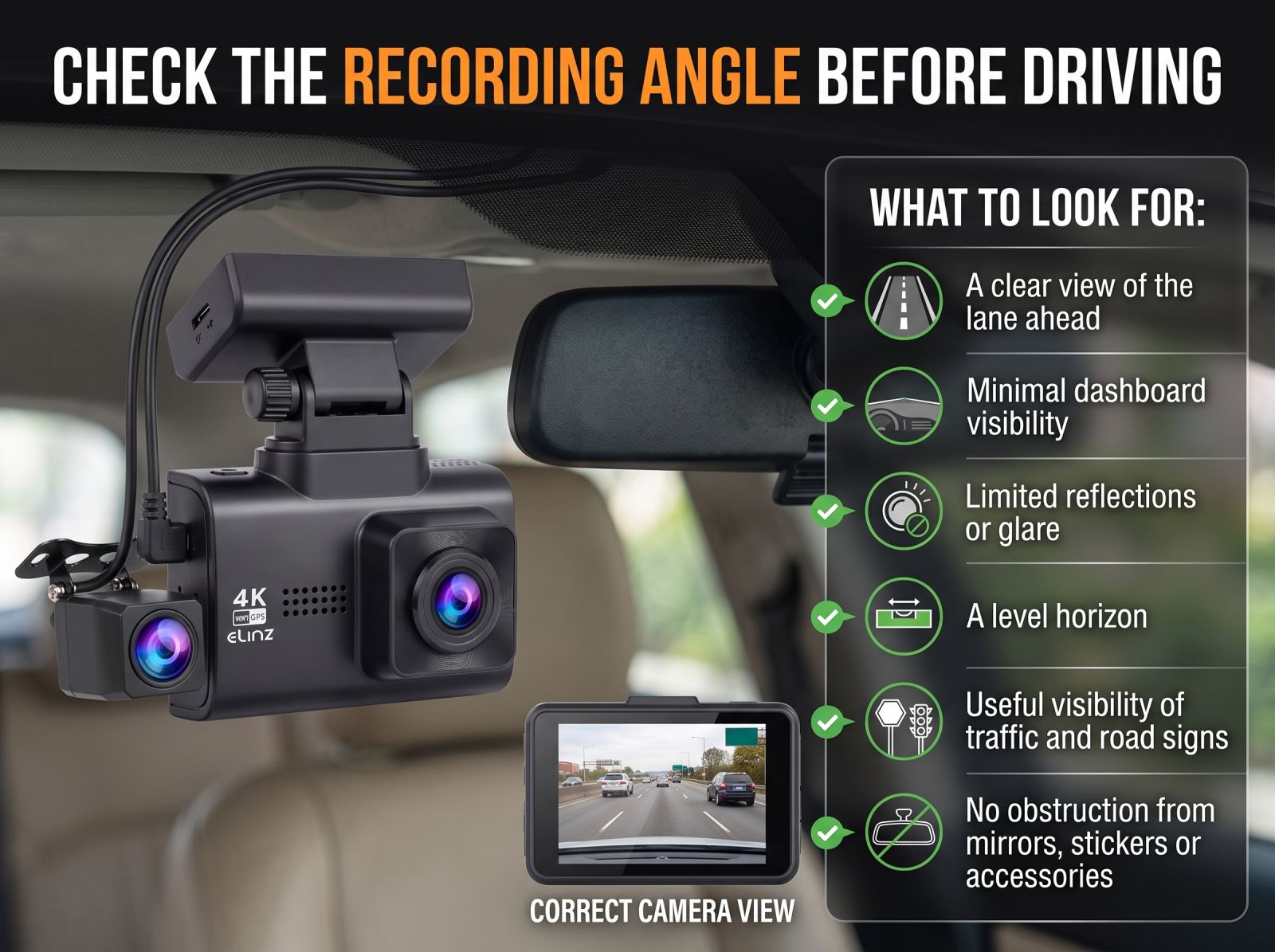
Look for:
- A clear view of the lane ahead
- Minimal dashboard visibility
- Limited reflections or glare
- A level horizon
- Useful visibility of traffic and road signs
- No obstruction from mirrors, stickers or accessories
Making these checks before a long trip can save you from discovering later that your recordings were poorly framed.
Consider Your Vehicle and Driving Conditions
The ideal position can vary depending on the vehicle. A small hatchback, ute, 4WD or work vehicle may have different windscreen shapes and dashboard layouts.
A dash camera for vehicles should also remain securely mounted when driving over uneven roads. This is particularly important for Australian drivers travelling on regional roads, gravel surfaces or long-distance routes.
If you regularly tow, consider how the camera's position works with your normal driving setup. The camera should remain stable and provide a consistent forward view.
Position Additional Cameras Carefully
Some drivers want coverage beyond the road directly in front of them. A front and rear dash cam setup can provide recordings from both directions, which may be useful during everyday driving, parking and road trips.
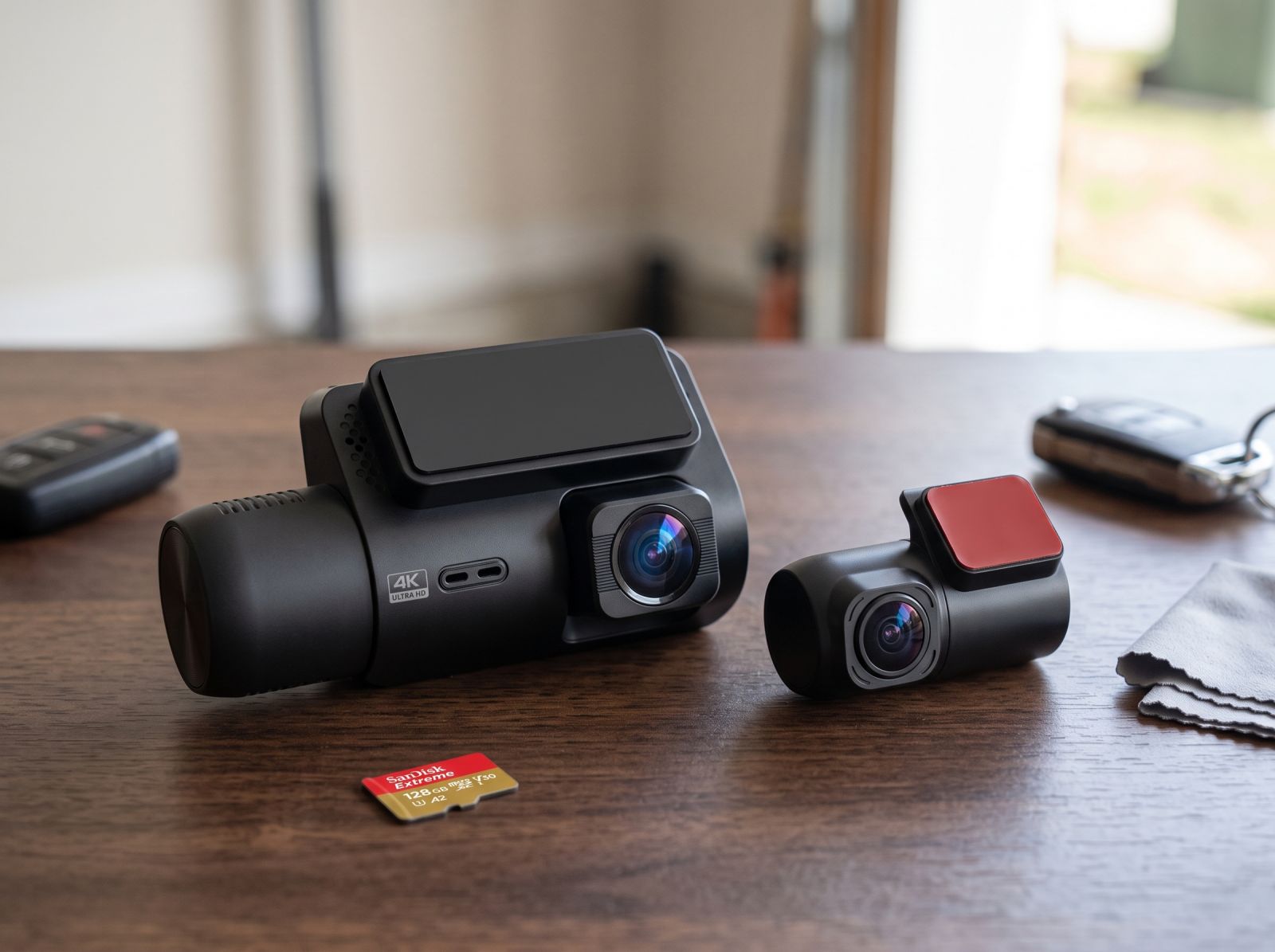
When installing a second camera, position it so the rear window provides as unobstructed a view as possible. Check that headrests, cargo, window tint or other objects are not taking up too much of the frame.
For setups described as dash cam front and rear, take time to test both views independently. The front camera may have an excellent angle while the rear camera is slightly tilted or blocked.
Reduce Glare and Reflections
Bright sunlight can affect the clarity of recorded footage, particularly when the windscreen is highly reflective. Before finalising the mounting position, check the screen at different times of day.
Keeping the lens clean is equally important. Dust, fingerprints and smudges can reduce image clarity and become more noticeable when headlights or sunlight hit the windscreen.
For drivers comparing dash cams Australia options, practical installation features and ease of positioning are worth considering alongside recording quality.
Make Sure the Camera Stays Secure
A camera that moves after every bump will not maintain the recording angle you originally selected. After mounting, gently check that the unit is firmly secured.
Periodically inspect the mount, particularly if the vehicle is exposed to significant temperature changes or regularly travels on rough roads.
If you remove the camera or adjust its position, repeat the test recording to make sure the viewing angle has not changed.
FAQs About Dash Cam Positioning
Where should a dash camera be mounted?
A central, high position on the windscreen is generally a practical starting point, provided it does not obstruct the driver's view or interfere with vehicle controls.
Should the horizon be visible in dash cam footage?
Yes. Keeping the horizon visible can help create a balanced recording that shows both the road ahead and surrounding traffic.
How often should I check my dash cam angle?
Check the angle after installation, whenever you move the camera and periodically during use. A quick review can help identify unwanted movement or changes in positioning.
Is a rear camera worth considering?
For drivers who want broader coverage, a rear camera can provide an additional recording view behind the vehicle. This can be particularly useful for regular road trips or work vehicles.
Get Better Footage From the Right Camera Position
Correct positioning is one of the simplest ways to get more useful footage from your dash cam. Mount the camera securely, keep the lens level, check for obstructions and always review a test recording before relying on the setup.
If you are looking for the best dash cam in Australia, consider both the camera's features and how easily it can be positioned for clear, practical coverage. Explore Elinz dash cams for options suited to everyday driving, road trips and work vehicles.
Did you enjoy reading this article?
Stay updated on our latest deals and promos by following our social media accounts.
Find this article helpful? Don't forget to click on the share buttons below.