You might think that one security camera is enough to keep an eye on your property. In reality, the right number depends on your property's size, layout, entry points, and the areas you want to monitor. Installing too few can leave important blind spots, while installing too many may add unnecessary cost and complexity.
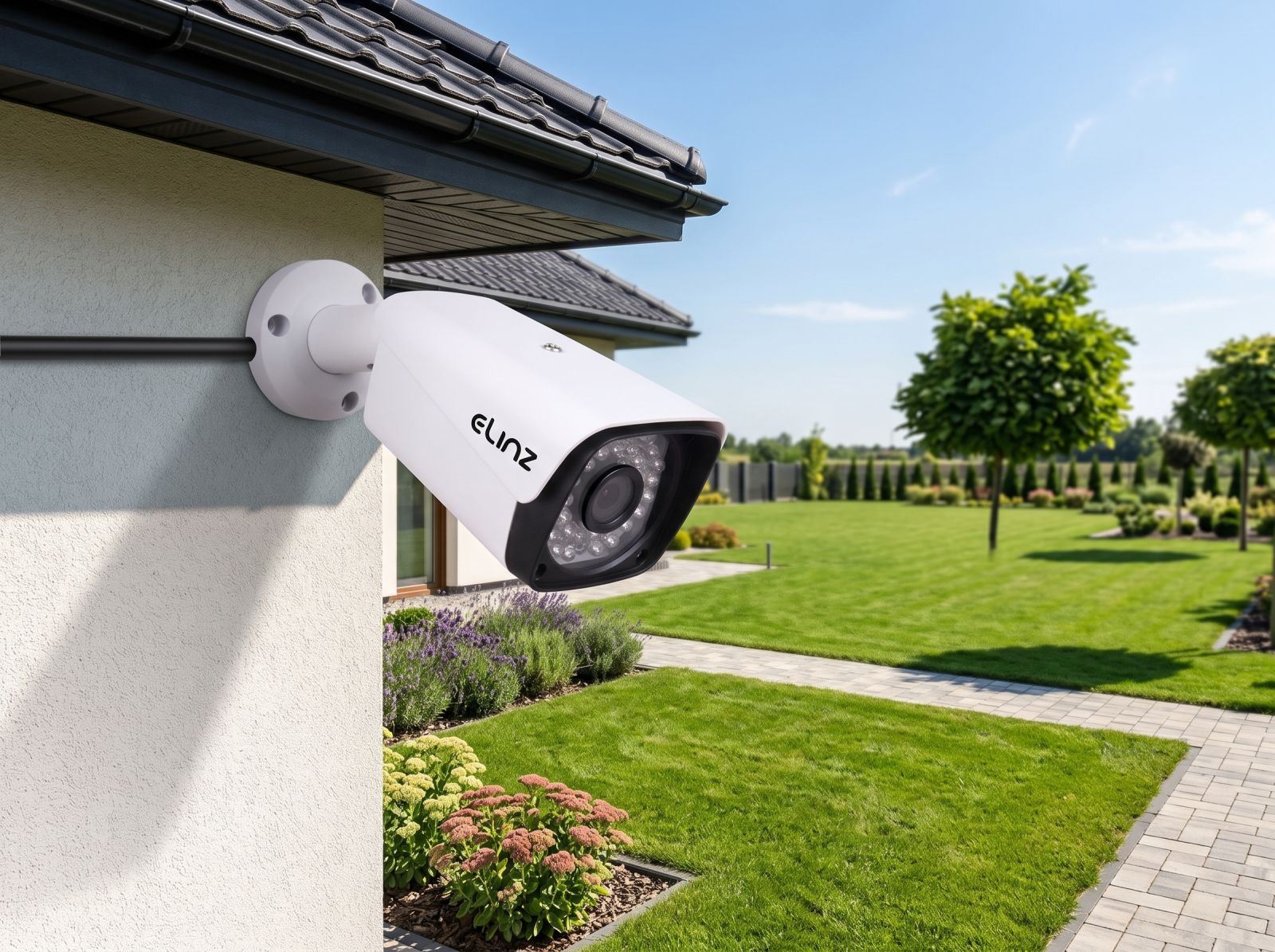
The goal is not to cover every square metre. It is to focus on the places that matter most.
Start With Your Property Layout
Before choosing your equipment, walk around your property and identify areas where visibility is most important.
Consider:
- Front and back doors
- Driveways and garages
- Side gates and pathways
- Outdoor entertaining areas
- Sheds and storage spaces
- Hallways and main indoor areas
Think about how someone would move around your property. This can help you identify potential gaps that may not be obvious when looking at a floor plan.
Consider How Many Entry Points You Have
Doors, gates, garages, and driveways are usually among the most useful locations for monitoring. Each additional entry point may require its own view, particularly if it cannot be seen clearly from another camera.
For a small home with one main entrance and a straightforward layout, two to four cameras may provide useful coverage. Larger properties with multiple entrances, garages, or detached buildings may need more.
A home security camera can be particularly useful when positioned to monitor a frequently used entrance or another important area.
Choose Indoor Cameras Based on Your Home
Indoor coverage is usually about monitoring key rooms and movement between areas rather than watching every room.
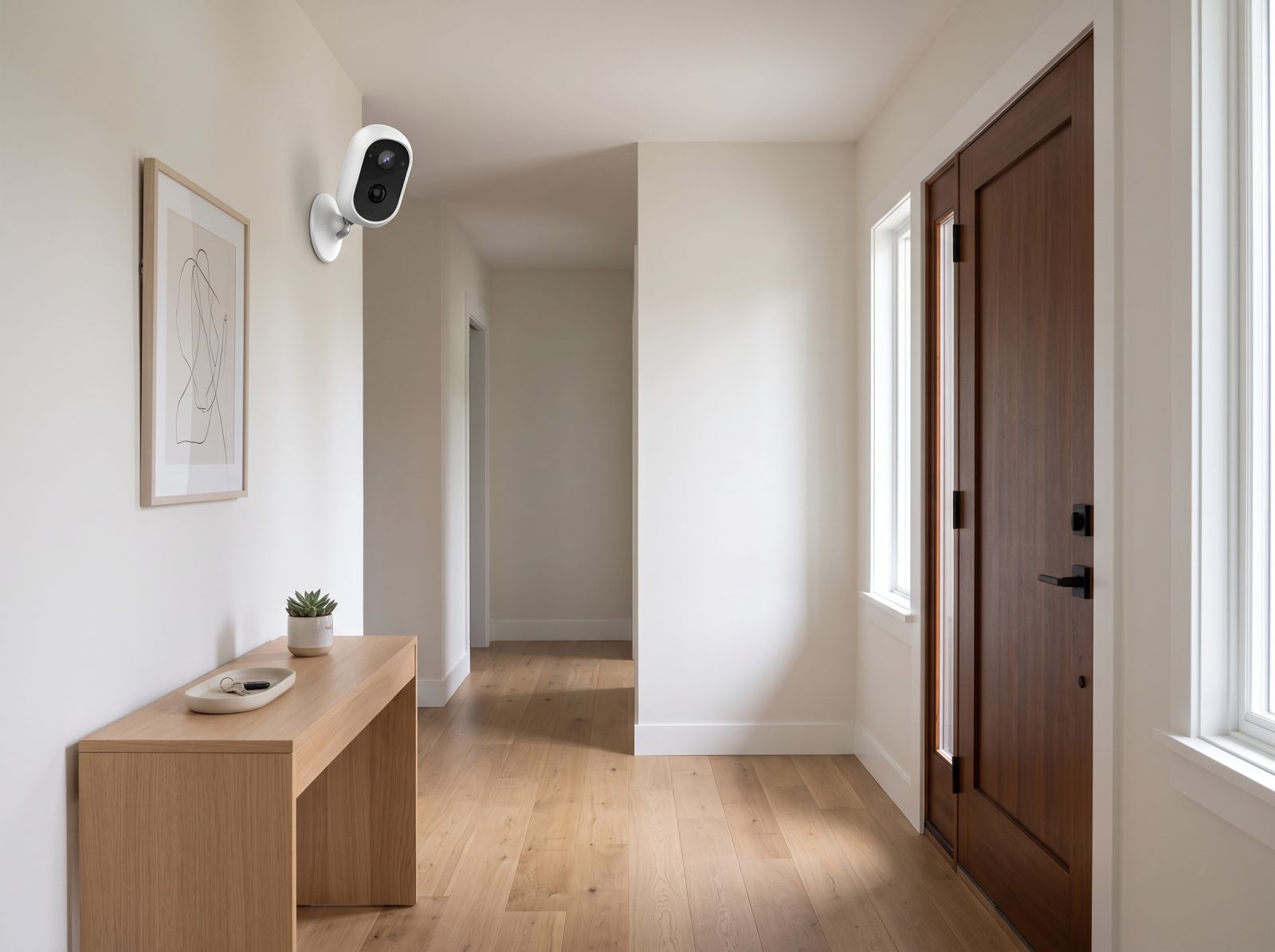
An indoor security camera can be useful in locations such as a main living area, entrance hallway, or another central part of the home. Consider whether the camera can provide a clear view without being blocked by furniture, walls, or other objects.
You may not need a camera in every bedroom or private space. Focus on areas where monitoring provides practical value.
Give Outdoor Areas Extra Attention
Outdoor areas can be more challenging because properties often have larger spaces and more potential blind spots.
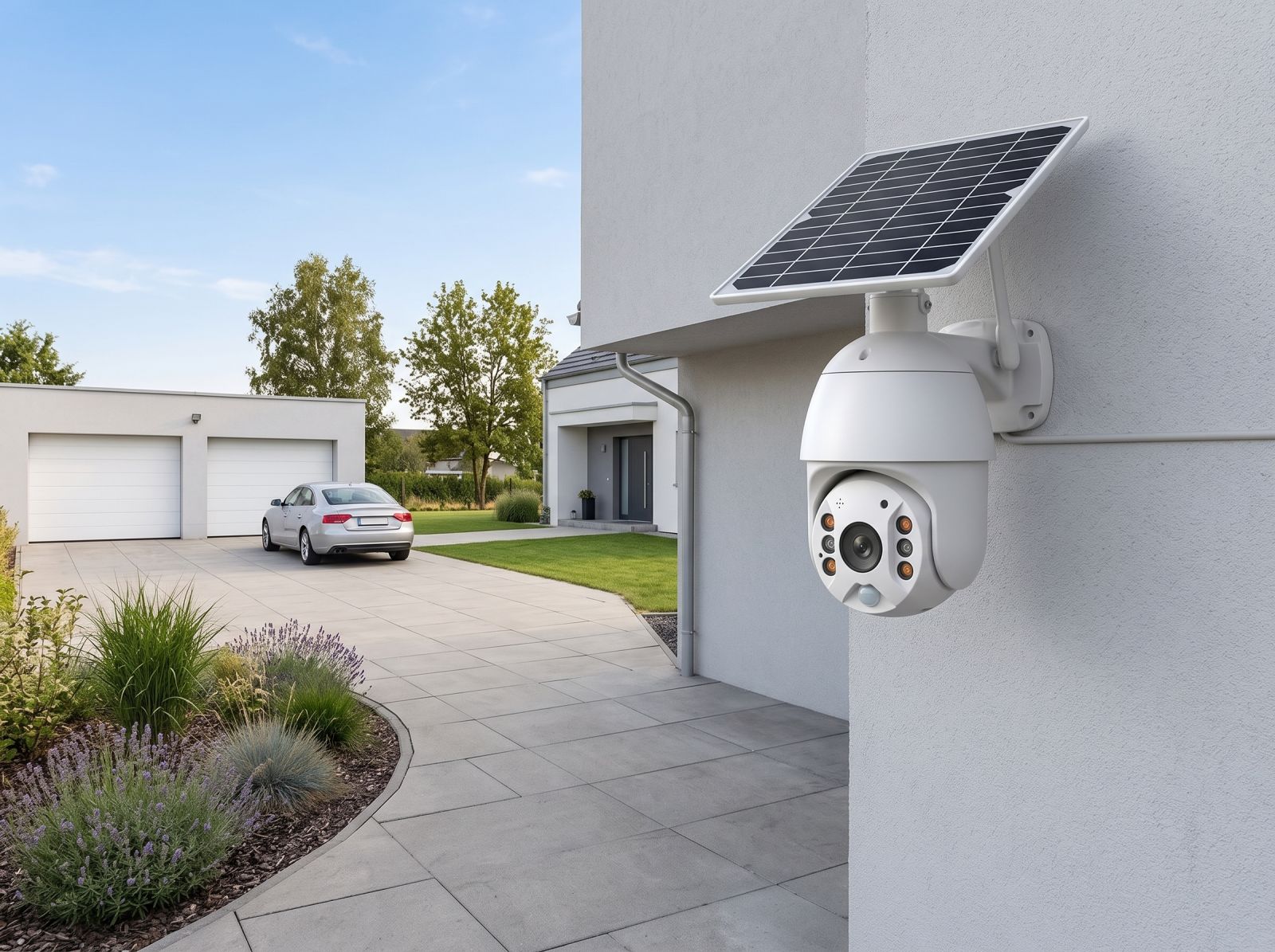
Home outdoor security cameras can help monitor driveways, entrances, gates, patios, garages, and other exposed areas. When planning outdoor coverage, consider lighting, weather exposure, mounting height, and the direction of movement you want to capture.
For larger yards, two cameras positioned from different angles may provide better coverage than relying on one camera with a wide viewing area.
Think About Camera Coverage and Blind Spots
The number of cameras is only part of the equation. Placement matters just as much.
A camera with a wide viewing angle may cover a larger area, but objects such as fences, trees, walls, and parked vehicles can still create blind spots. Mounting cameras at suitable heights and angles can help you get a clearer view of important areas.
Try to overlap coverage slightly where practical. This can reduce the chance of losing visibility between two monitored areas.
Decide Between Individual Cameras and a Full System
If you only need to monitor one or two locations, individual cameras may be enough. For larger properties, security camera systems can make it easier to manage multiple cameras from one setup.
A multi-camera arrangement may also be more practical when you want consistent coverage across entrances, outdoor areas, and important indoor spaces.
The right choice depends on how many locations you want to monitor and how you plan to view and manage the footage.
Match Your Setup to Your Property
There is no universal number that works for every home. A small townhouse may need only a few carefully positioned cameras, while a large property with a long driveway, multiple buildings, and several entrances could require a more extensive setup.
When comparing security cameras for home, prioritise important areas first. Add coverage gradually if you discover blind spots or areas that are difficult to monitor.
Frequently Asked Questions About Security Cameras
Is more cameras always better?
Not necessarily. Poorly positioned cameras can provide less useful coverage than a smaller number of well-placed cameras.
Where should I install cameras first?
Start with main entrances, driveways, garages, gates, and other areas where visibility is particularly important.
Should I use cameras indoors and outdoors?
It depends on your needs. Outdoor coverage can monitor entry points and surrounding areas, while indoor coverage can help you keep an eye on key areas inside the property.
How can I reduce blind spots?
Review each camera's viewing angle and check for obstructions. Overlapping views can also help cover gaps between monitored areas.
Build a Practical Property Monitoring Setup
The best setup is not necessarily the one with the most security cameras. It is the one that provides useful coverage where you need it most. Start by identifying key entry points, high-priority areas, and potential blind spots, then choose a setup that matches your property's layout and your monitoring needs.
Did you enjoy reading this article?
Stay updated on our latest deals and promos by following our social media accounts.
Find this article helpful? Don't forget to click on the share buttons below.