Safe driving is about more than knowing the road rules. It also involves making responsible decisions, staying focused and recognising risky behaviour before it leads to an accident. For Australian motorists, a dash camera can be a useful tool for becoming more aware of their actions behind the wheel.
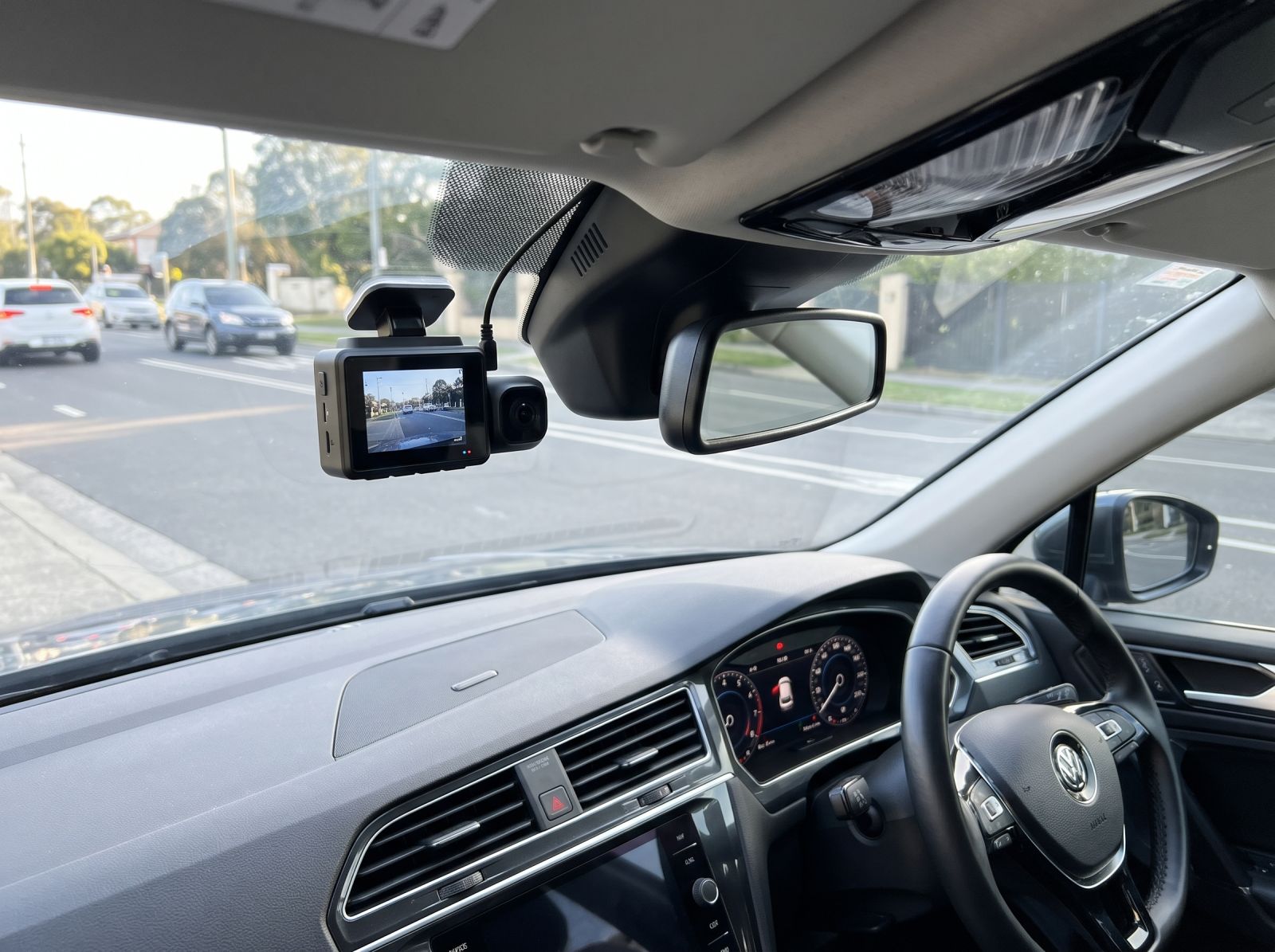
While recording footage does not automatically make someone a better driver, knowing that driving behaviour is being recorded can encourage greater accountability. From avoiding distractions to maintaining safer distances, here are several ways this technology can support more responsible driving.
1. Encourages Drivers to Become More Accountable
One of the biggest benefits of having a recording device in your vehicle is the added sense of accountability. Drivers may become more conscious of their actions when they know their journeys are being recorded.
For example, they may be more mindful of following speed limits, obeying traffic signals and avoiding unnecessary lane changes.
Reviewing recorded footage can also help motorists recognise mistakes they might not have noticed while driving.
This makes a car dash cam a practical learning tool for drivers who want to assess their habits and make better decisions on the road.
2. Helps Reduce Distracted Driving
Distractions are a common road safety concern. Checking a mobile phone, adjusting entertainment settings or reaching for objects can take a driver's attention away from the road.
Knowing that their driving is being recorded may encourage motorists to minimise these behaviours and keep their attention where it belongs.
Drivers can also use footage to identify moments when their attention may have shifted away from traffic conditions. Recognising these patterns is an important step towards developing more focused driving habits.
3. Promotes Safer Following Distances
Following too closely can reduce the time available to react when the vehicle ahead suddenly brakes.
A recording system can help drivers review their positioning in traffic and recognise whether they consistently leave enough space between vehicles.
This is particularly useful when travelling on busy Australian motorways, during peak-hour traffic or when driving in unfamiliar areas.
Maintaining a safe following distance gives motorists more time to respond to unexpected situations.
4. Improves Awareness of Surrounding Traffic
Good driving requires more than watching the vehicle directly ahead. Motorists must also pay attention to vehicles approaching from behind, changing lanes and entering traffic.
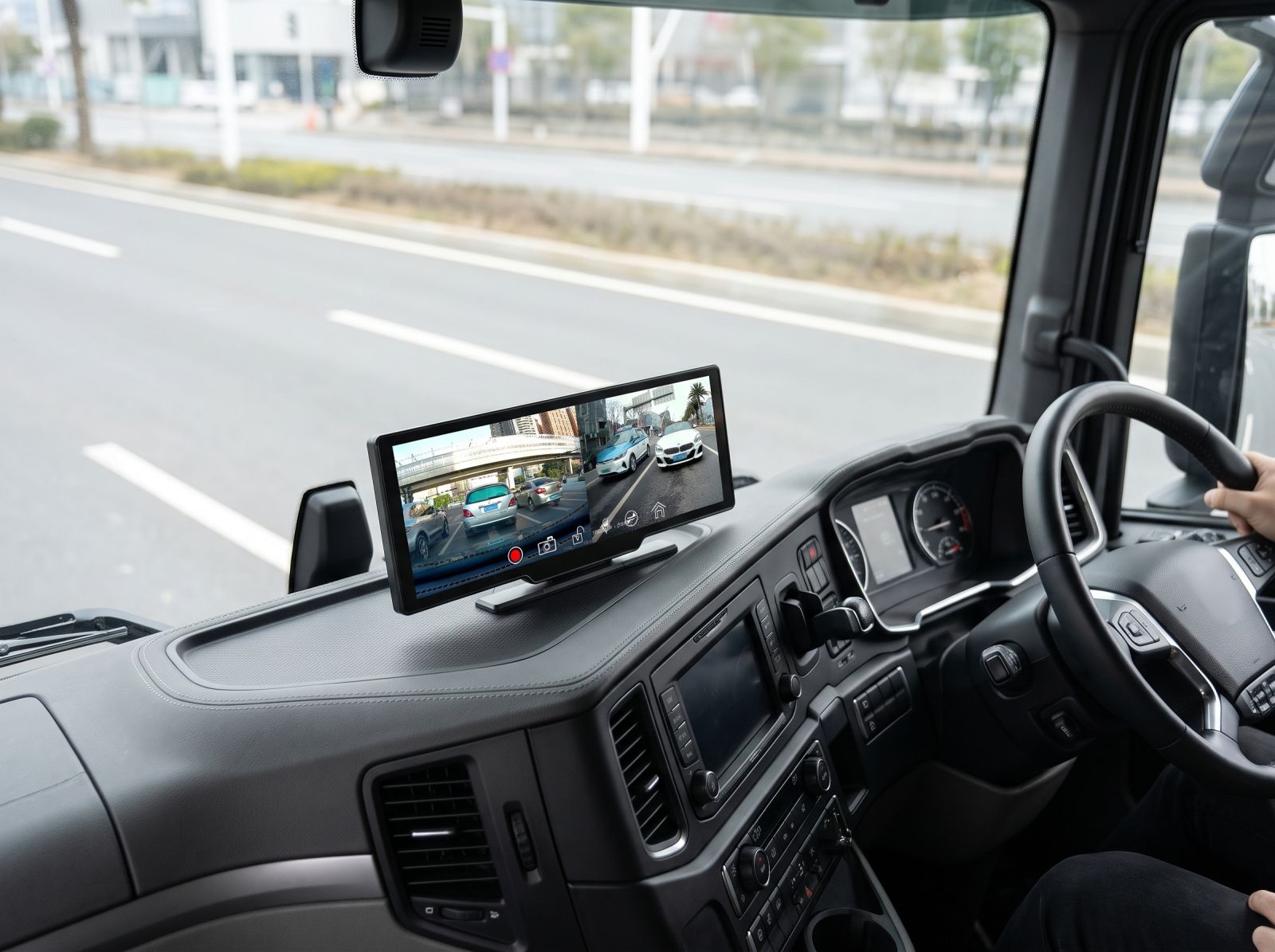
A front and rear dash cam provides recordings from both ends of the vehicle, allowing drivers to review more of what happens around them.
This can be particularly helpful for:
- Reviewing unsafe overtaking situations.
- Understanding incidents involving vehicles behind you.
- Identifying risky manoeuvres in busy traffic.
- Becoming more conscious of surrounding vehicles.
Having footage from different angles can provide a clearer picture of driving situations and help motorists reflect on how they respond to other road users.
5. Supports Better Driving Decisions on Long Journeys
Long-distance driving across Australia can involve changing weather, unfamiliar roads and extended periods behind the wheel.
These conditions require patience, concentration and good judgement.
A dash cam front and rear setup can help motorists review their journeys and identify areas where they could improve, such as maintaining consistent speeds, allowing more room around other vehicles and avoiding sudden manoeuvres.
For caravan owners, tradies and frequent travellers, reviewing footage can also provide useful insights into driving around larger vehicles, towing equipment and navigating different road conditions.
However, recording footage should never encourage drivers to review screens or adjust equipment while moving. Any footage should be checked only when safely parked.
6. Provides Useful Footage for Reviewing Driving Incidents
Not every driving lesson comes from a near miss or mistake. Sometimes, reviewing footage from an ordinary journey can help motorists understand their driving patterns.
For example, drivers may notice that they regularly brake too late, change lanes without sufficient preparation or approach intersections too quickly.
A wireless dash cam can offer a convenient option for motorists who prefer a setup with wireless connectivity for supported viewing or file transfer functions.
The ability to access recordings more conveniently can make it easier to review specific journeys and identify opportunities to improve driving behaviour.
7. Encourages Safer Driving Across Different Vehicle Types
Responsible driving matters whether you use a small passenger car, a work ute, a 4WD or a family vehicle.
Recording systems can encourage drivers to take greater responsibility for their behaviour, particularly when operating vehicles regularly for work or travelling with passengers.
Businesses with vehicle fleets may also use recorded footage, where appropriate, to support driver training and discuss road safety practices.
For individual motorists, the same principle applies. Consistently reviewing driving habits can help turn small improvements into long-term routines.
FAQs About Dash Cams and Safer Driving
1. Can dash cams make drivers more careful?
They can encourage greater accountability by making drivers more conscious of their actions. However, responsible driving still depends on individual awareness and decision-making.
2. Can I use recorded footage to improve my driving?
Yes. Reviewing footage while parked can help you recognise habits such as harsh braking, unsafe lane changes and inconsistent following distances.
3. Is a dual-camera system better for everyday driving?
A dual-camera system records both the road ahead and the area behind your vehicle. This provides more coverage when reviewing certain driving incidents.
4. Do dash cams prevent road accidents?
No. They record driving activity but cannot prevent collisions. Staying alert, following road rules and maintaining safe distances remain essential.
Build Safer Driving Habits With the Right Dash Cam
A dash cam is more than a recording device. It can encourage drivers to become more accountable, recognise risky habits and take a more thoughtful approach to everyday driving.
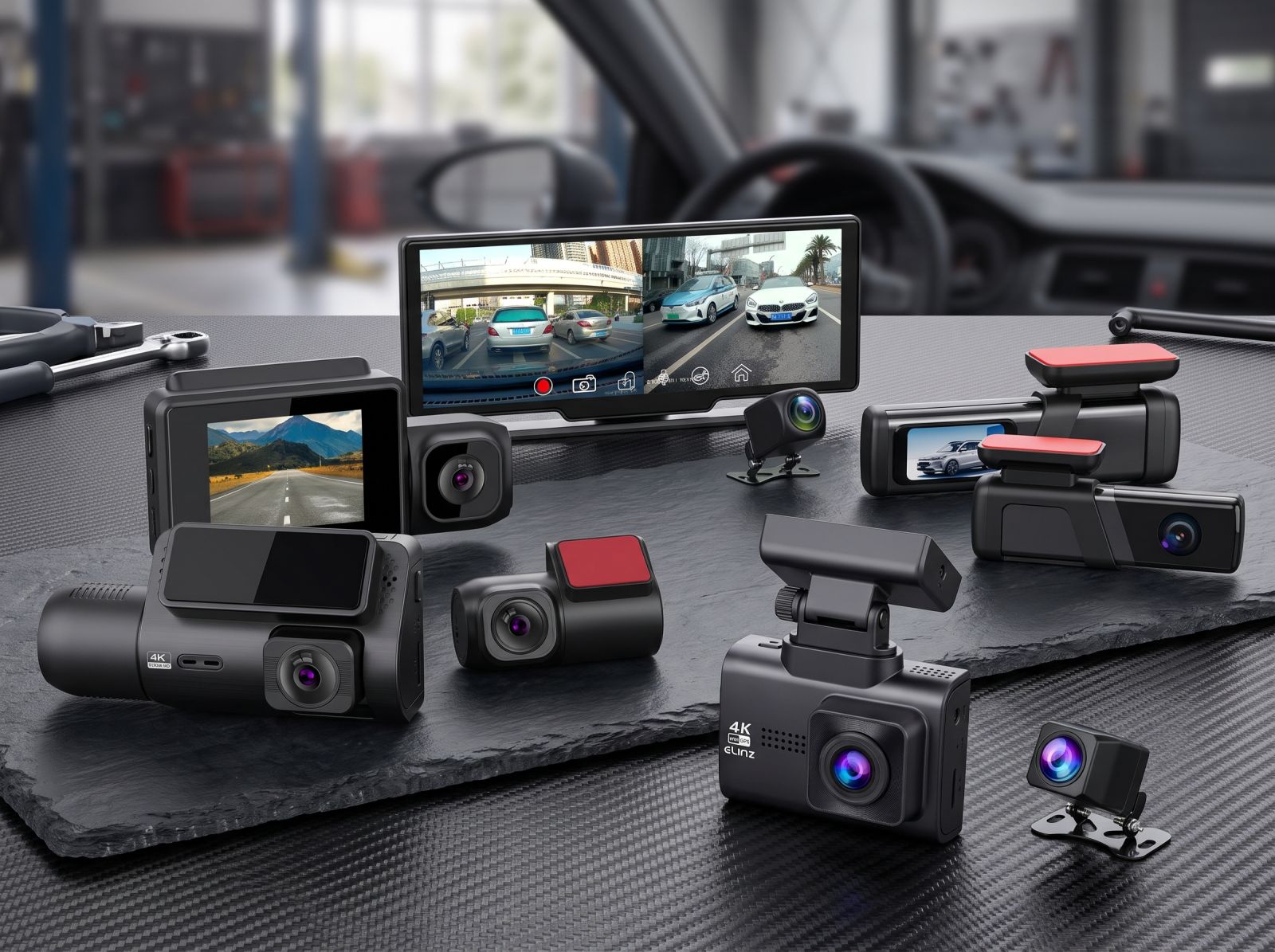
Whether you commute daily, manage work vehicles or enjoy long road trips, choosing the best dash cam in Australia for your vehicle can be a practical step towards better driving awareness.
Explore Elinz dash cams to compare practical recording options for your vehicle and make every journey an opportunity to practise safer driving.
Did you enjoy reading this article?
Stay updated on our latest deals and promos by following our social media accounts.
Find this article helpful? Don't forget to click on the share buttons below.