You rely on your home security cameras to keep watch when you can’t. Whether you’re at work, travelling, or asleep at night, they provide a sense of control and peace of mind. But what happens when the internet suddenly goes down? This can feel unsettling, especially if you’re unsure whether your system is still functioning properly.
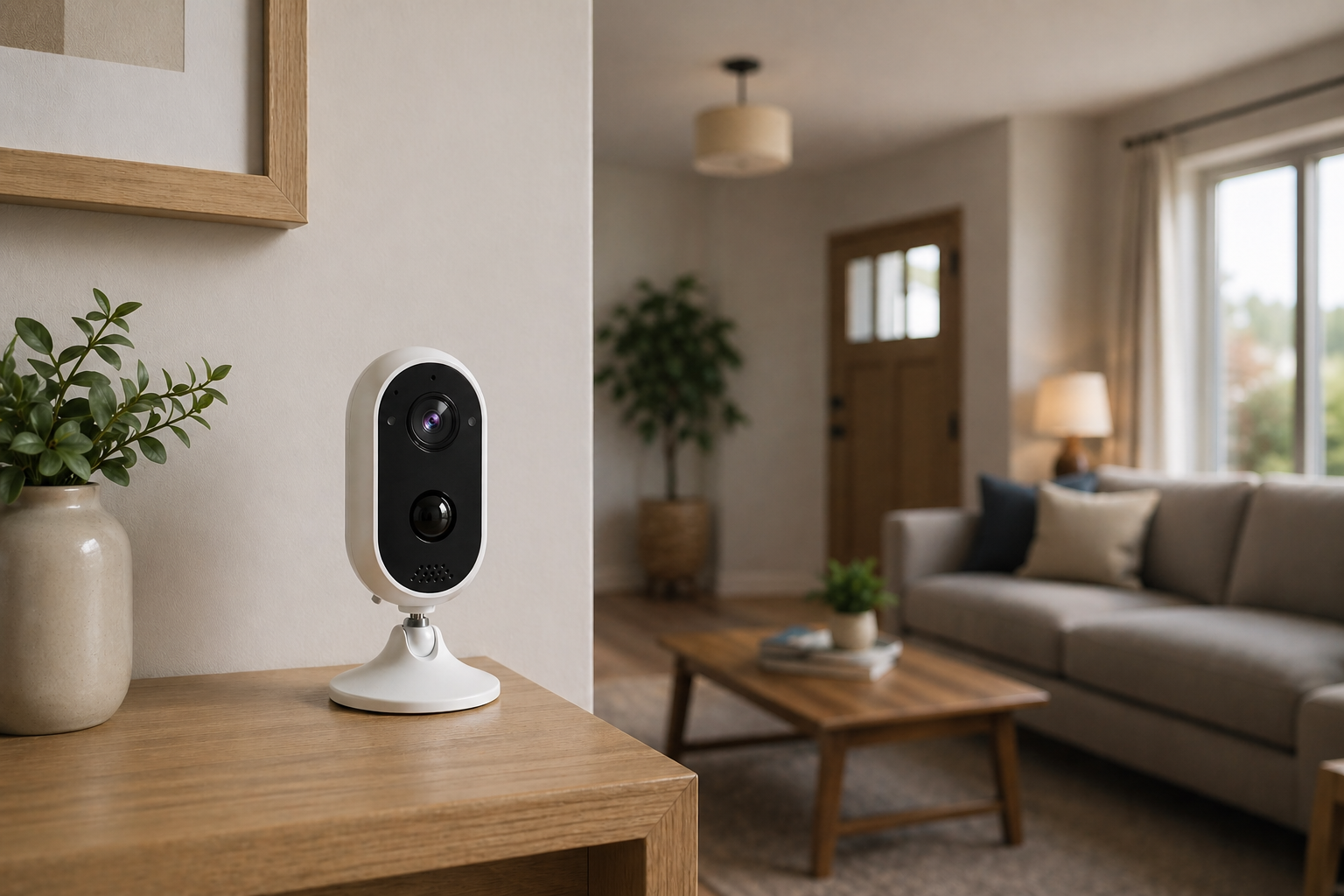
The good news is that many camera systems are designed to manage these interruptions, at least to some degree. The key is to understand what continues to work, what stops, and how to set up your system so you’re not left unprotected if the connection fails.
Do security cameras work without internet
The short answer is yes—and in many cases, they continue working reliably. Most camera systems don’t need an internet connection to record footage. If your setup includes local storage, like a DVR, NVR, or memory card, your cameras can keep capturing video even when they are offline. This means important events are still recorded and ready for review anytime.
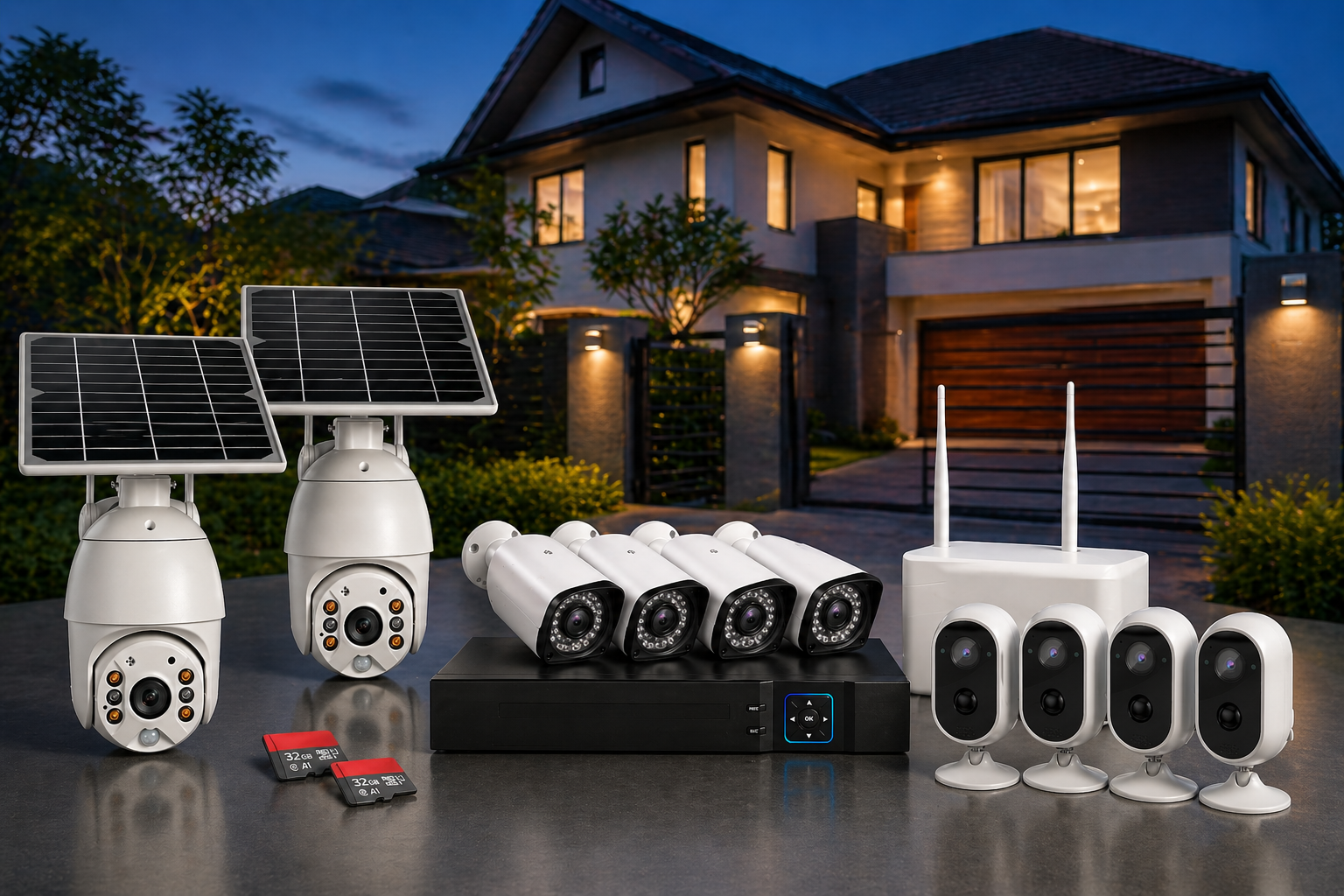
The internet mainly adds convenience to your setup. With a connection, you can view live footage remotely and receive instant alerts. Without it, those features simply pause, but your system continues doing its core job—recording and protecting your space in the background.
Security cameras with SIM card connectivity
If you want a system that stays connected even when your home internet is down, SIM-based cameras are a good choice.
These cameras use a SIM card with mobile data to connect through cellular networks instead of depending on Wi-Fi. This way, they can keep sending alerts, streaming live footage, and providing remote access as long as there is a mobile signal.
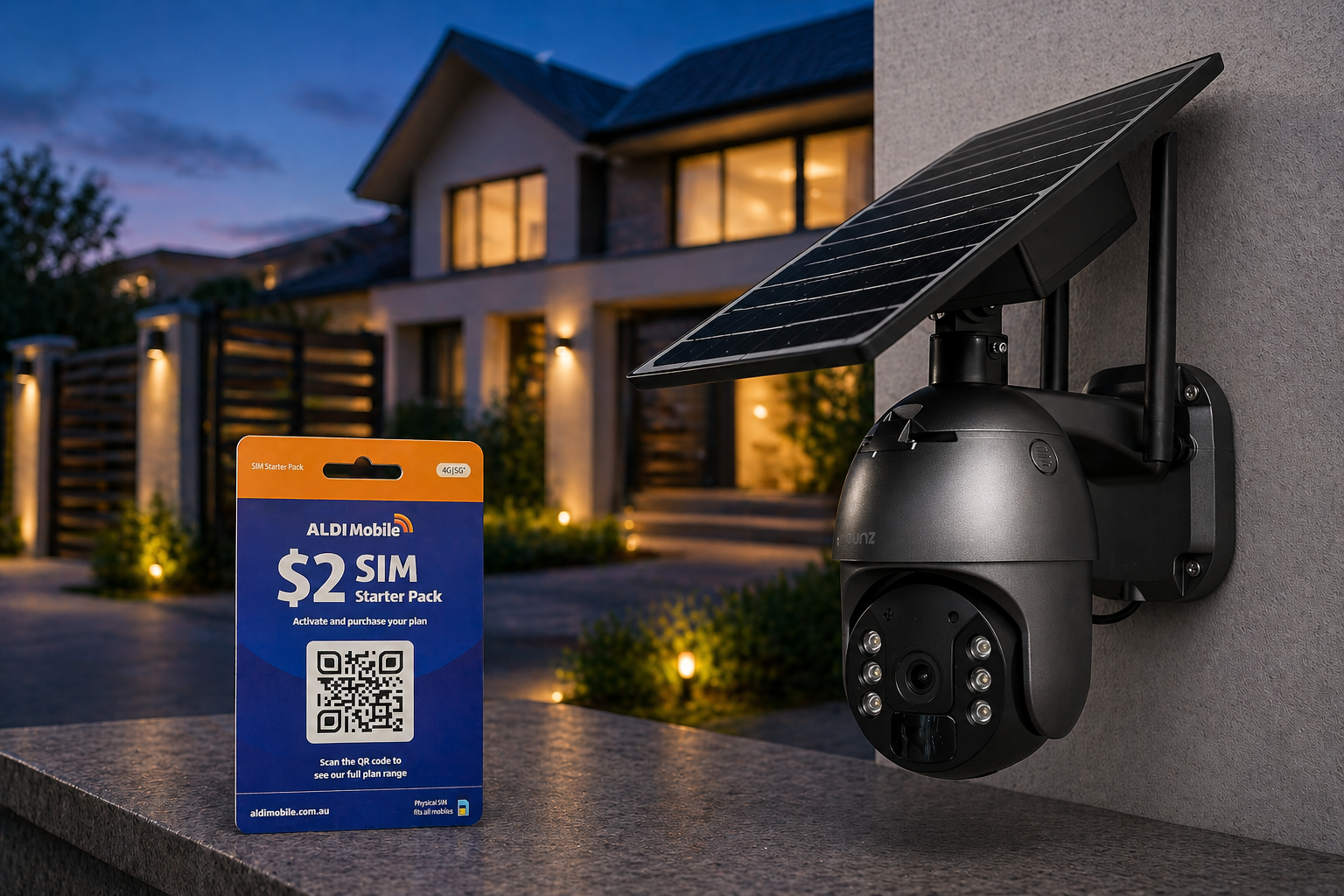
A sim card security camera is especially useful in areas where internet connections are unreliable or where an extra layer of connectivity is desirable. They’re also commonly used in remote locations like farms, construction sites, and vacation homes where regular internet access may be limited.
With mobile data as their source of connection, they offer a flexible option that many users appreciate for extra peace of mind and constant access.
Why power matters just as much
It’s easy to concentrate on internet outages, but power loss is actually the bigger risk.
If your cameras lose power, they stop working completely. That’s why backup solutions are important. Battery-powered cameras can run for a limited time, while systems connected to a backup power supply can last even longer.
A solar security camera is a practical choice for maintaining coverage during extended outages. By using stored solar energy, it can keep recording even when both power and internet are down.
The importance of local storage
Local storage is one of the most valuable features in any camera system.
Instead of depending solely on cloud services, local storage lets your cameras record directly onto a device. DVR and NVR systems ensure that footage is captured even when your internet connection is down.
You may not be able to view recordings right away, but once your connection is back, everything will still be accessible. This makes local storage a reliable backup.
How to install security cameras
Proper installation is essential for getting the most out of your system.
Start by choosing locations with stable power access. Even the best camera won’t help if it shuts down unexpectedly. For wired systems, ensure cables are secure and protected from weather or tampering.
When installing outdoor security cameras, consider both visibility and protection. Mount them high enough to avoid interference but angle them to capture important areas like entrances and driveways.
.png)
For wireless security cameras, make sure your cameras are within a strong Wi-Fi range. Weak signals can affect performance even when your internet is working normally.
Where to place home security cameras
Placement is crucial for your system's effectiveness.
Focus on high-traffic areas like front doors, back entrances, and garages. Indoors, hallways and common spaces work best because they capture movement between rooms.
When deciding where to place home security cameras, consider coverage and blind spots. Overlapping angles can improve visibility and lower the chances of missing important activity.
Avoid putting cameras in private areas, and ensure they are placed to reduce glare from lights or direct sunlight.
What is the best security camera
Choosing the right camera depends on your needs, but some features are more important than others.
Look for a system that offers local storage, reliable performance, and clear video quality. Night vision and motion detection are also essential for capturing activity in low-light conditions.
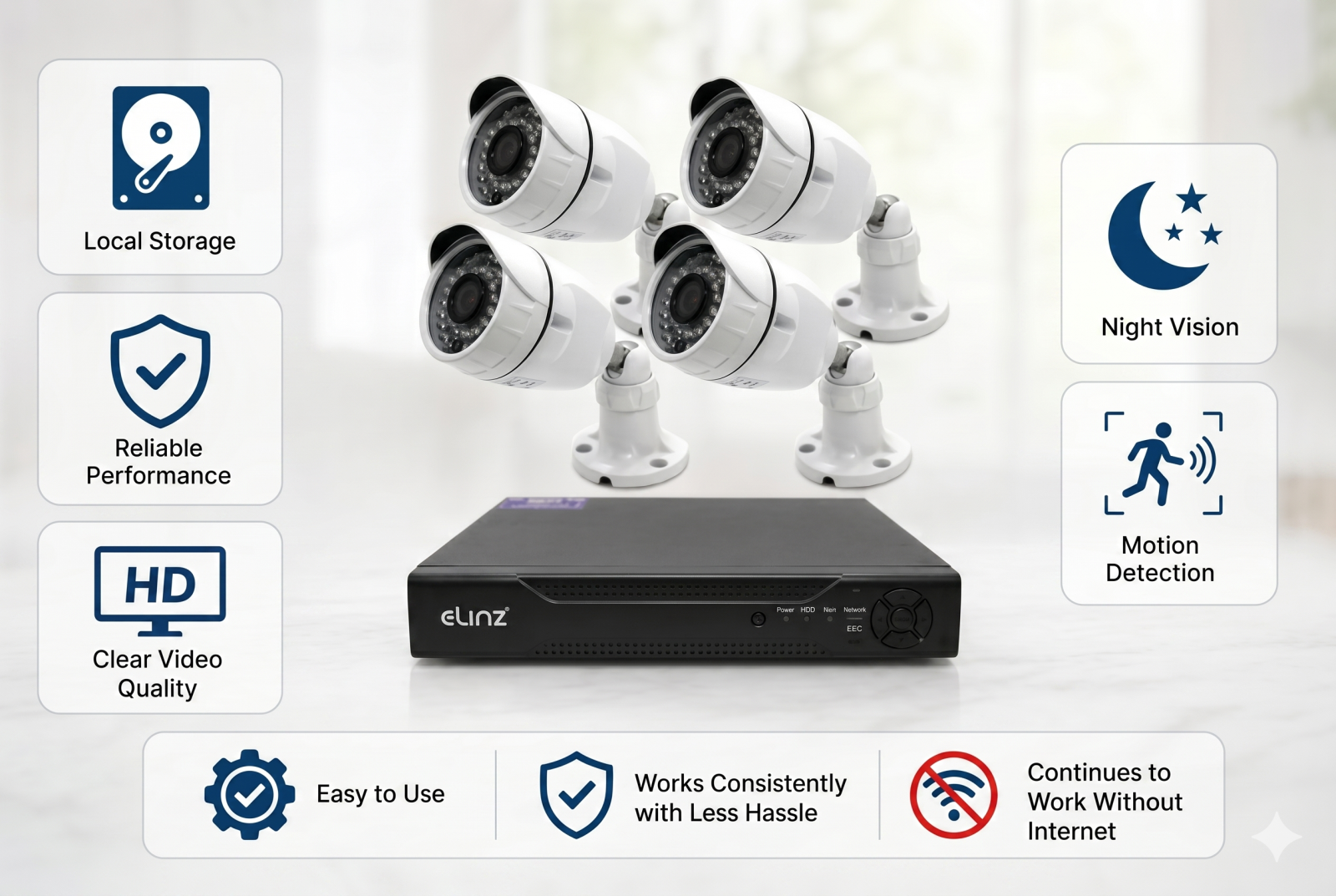
Ease of use is important as well. A system that is simple to manage will be more effective over time. You want something that works consistently and does not require frequent troubleshooting.
In the end, the best choice is one that continues to function even when your internet connection isn’t available.
What happens to alerts and remote access
One major change during an outage is the loss of real-time communication.
Most cameras depend on the internet for sending alerts and enabling remote viewing. Without it, you won't get notifications on your phone or access live footage.
However, many systems still record motion events and store footage locally. While you may not be aware of incidents right away, you can check the recordings once your connection is back.
If staying connected is important, adding a SIM-based camera or backup mobile data solution can help fill that gap.
Common mistakes to avoid
Many people think their system will function the same way all the time. That isn’t always true.
Relying only on cloud storage is one of the biggest mistakes. If you lose internet access, you could lose both live and recorded footage. Another common problem is poor placement, which can create gaps in coverage.
Taking the time to understand your system and plan your setup can greatly improve how well it performs.
Key Takeaways for Better Security Coverage
Internet outages are unpredictable, but your security setup can still be reliable if it’s designed well. By using local storage, proper installation, and smart placement, you can maintain protection even when connectivity fails.
In the end, a trustworthy security camera isn’t just about special features; it’s about consistency. When everything else goes offline, you want a system that continues to work quietly in the background, capturing what matters most.
Did you enjoy reading this article?
Stay updated on our latest deals and promos by following our social media accounts.
Find this article helpful? Don't forget to click on the share buttons below.