A flat battery can quickly interrupt your plans, whether you're heading out for a weekend ride, launching your boat, or exploring off-road tracks. Fortunately, a jump starter can provide a quick way to get your vehicle running again without relying on another battery or vehicle for assistance.
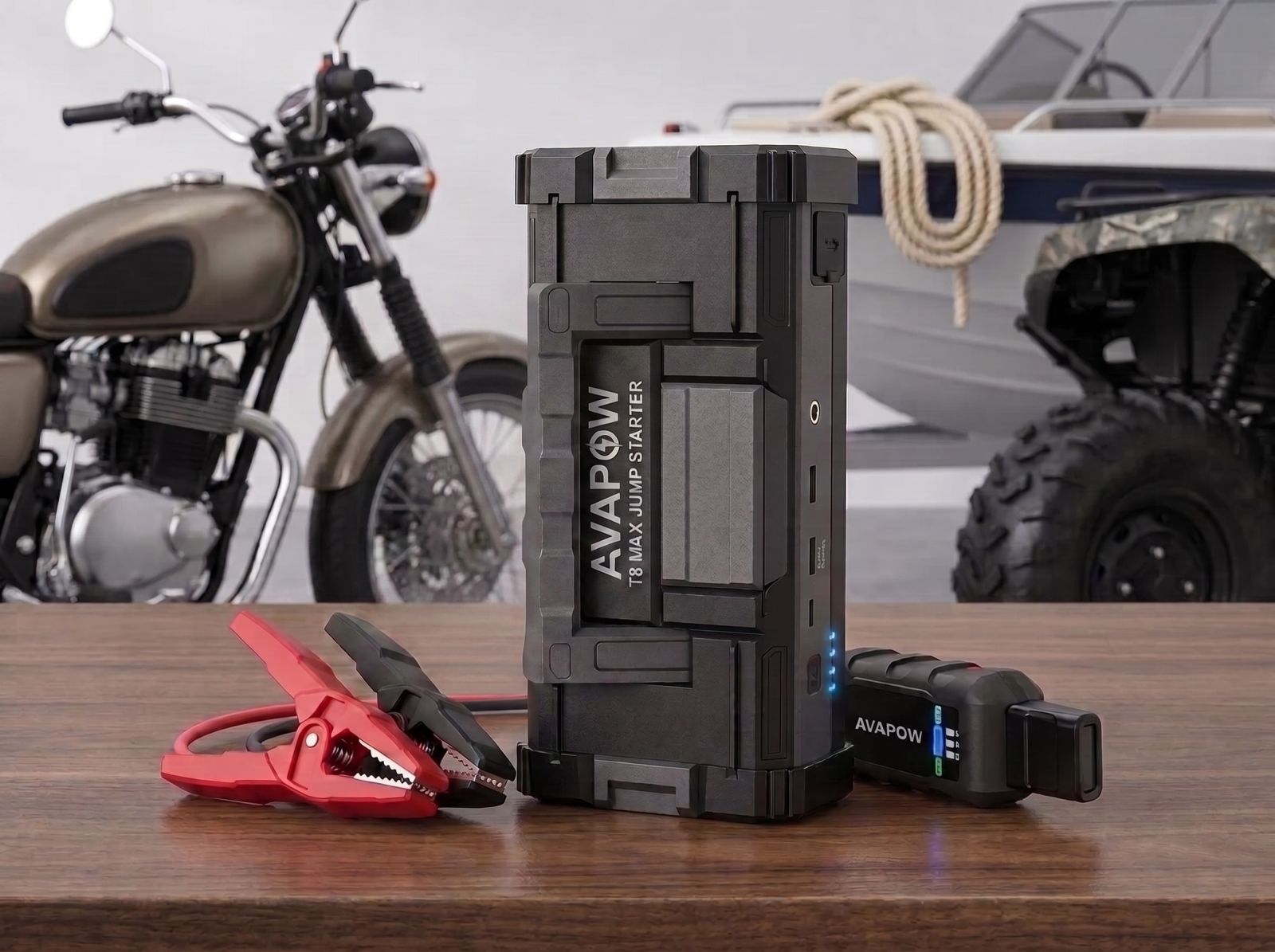
But can the same device be used across motorcycles, boats, and ATVs? The short answer is yes—provided it's compatible with your battery and used correctly. Understanding how these vehicles differ and what to look for before connecting a power source can help you avoid damage and enjoy a safer, more reliable start when you need it most.
Understanding How Different Vehicle Batteries Compare
Although motorcycles, boats, and ATVs all use rechargeable batteries, they are not exactly the same.
Motorcycles typically use smaller 12V batteries that require less starting power than passenger vehicles. ATVs also commonly use 12V batteries but can vary depending on engine size and whether they're designed for recreation or work.
Boats present a slightly different situation. Many smaller recreational boats use 12V starting batteries, while larger vessels may have dual-battery systems or higher-capacity marine batteries designed to power onboard electronics for extended periods.
Because battery sizes, capacities, and starting requirements differ, it's important to confirm compatibility before using any starting device.
When One Device Can Support Multiple Vehicles
Many modern power packs are designed with versatility in mind. A quality jump starter pack can often start a range of vehicles, including motorcycles, cars, SUVs, boats, lawn equipment, and ATVs.
The key is checking the manufacturer's specifications. Look for information such as:
Having one compact unit that works across multiple vehicles can be particularly useful for households with different types of recreational equipment.
Why Portable Power Is Ideal for Outdoor Adventures
One of the biggest advantages of a portable jump starter is convenience.
Unlike traditional jumper cables, these compact devices don't require another vehicle to provide power. This makes them especially valuable when you're far from help, such as:
-
Camping trips
-
Remote fishing locations
-
Off-road tracks
-
Boat ramps
-
Rural properties
Many units also include extra features that make them practical for travel, including USB charging ports, LED emergency lights, and compact storage cases.
For people who enjoy outdoor activities, carrying one can be part of a sensible emergency kit alongside tyre repair tools, first aid supplies, and portable air compressors.
Important Safety Checks Before Connecting the Battery
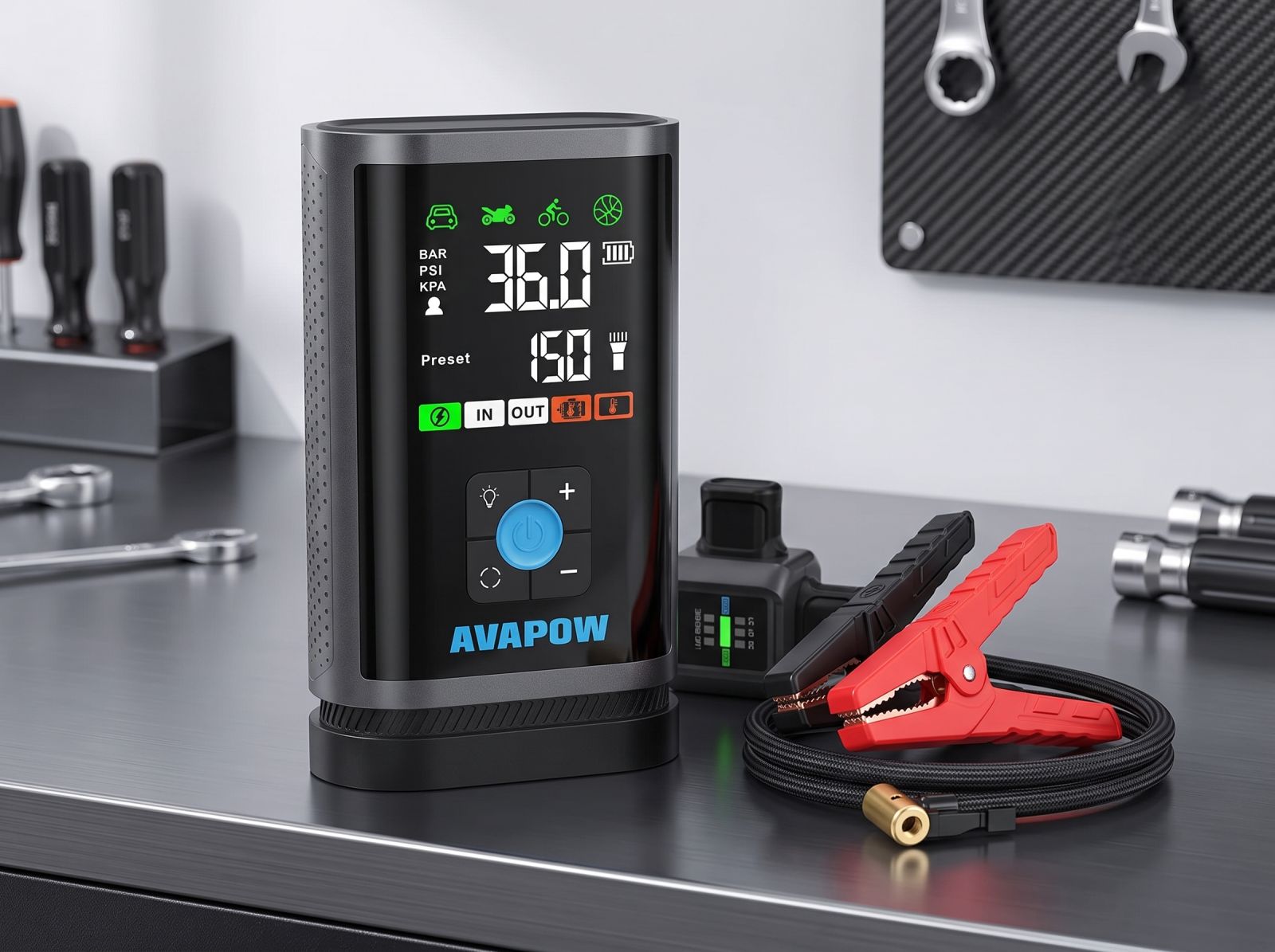
Before connecting any battery jump starter, take a few minutes to inspect the battery and surrounding area.
Never attempt to jump-start a battery that is:
Always check the battery voltage and ensure the clamps are connected to the correct terminals. Positive should connect to positive, while negative connects to negative or the recommended grounding point if specified by the manufacturer.
It's also wise to turn off lights, accessories, and electrical equipment before attempting to start the engine. This reduces unnecessary power draw during the starting process.
Following the manufacturer's instructions helps minimise risk while improving the chances of a successful start.
Marine Environments Require Extra Care
Using a battery jump starter pack around boats involves additional considerations.
Marine environments expose equipment to moisture, salt, and changing weather conditions. While many modern starters are built with durable casings, not all are designed for marine use.
Before using one around water:
-
Ensure the device remains dry.
-
Keep clamps clean and corrosion-free.
-
Avoid using equipment with damaged cables.
-
Operate in a well-ventilated area when charging or starting batteries.
If your boat spends considerable time on the water, storing your emergency equipment inside a protective storage case can help extend its lifespan.
Can You Use the Same Unit for Cars Too
Many people wonder whether the same device can also serve as a car battery jump starter.
In many cases, yes.
Provided the power output matches your vehicle's engine size, many models are suitable for both recreational vehicles and everyday passenger cars. This flexibility means one device may cover several vehicles around the home, reducing the need to purchase separate equipment.
However, larger diesel engines often require significantly higher peak current than motorcycles or ATVs. Always compare your vehicle's starting requirements with the specifications provided by the manufacturer.
Choosing the Right Features for Your Needs
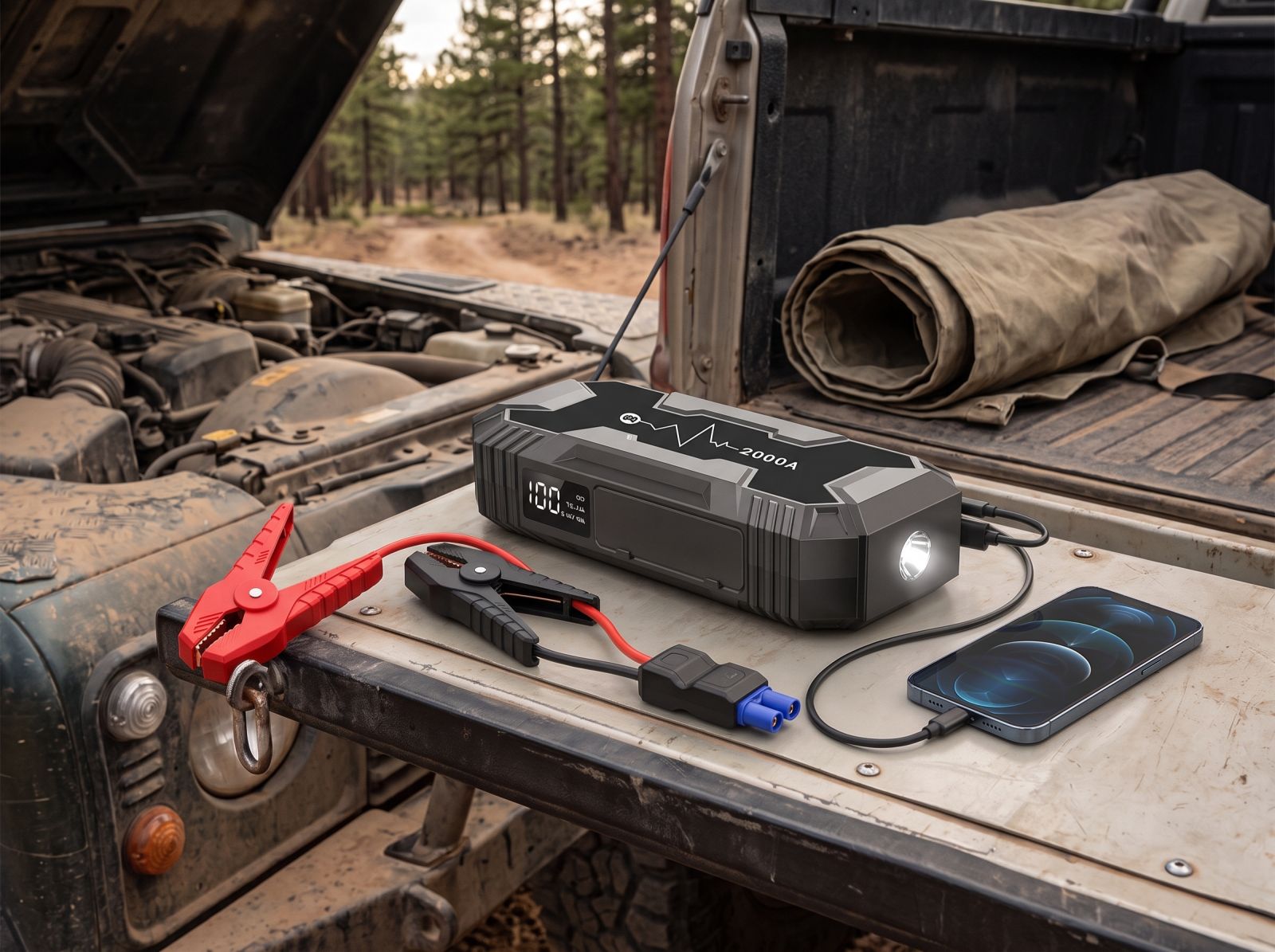
Not every power starter is built the same, so it's worth considering how and where you'll use it.
Some useful features include:
Smart safety protection
Modern units often include reverse polarity, short-circuit, over-current, and overcharge protection to help reduce user error.
Compact design
Smaller units are easier to store in motorcycle panniers, ATV storage compartments, or boat lockers.
Multiple charging options
USB ports allow you to recharge phones, GPS devices, action cameras, or other portable electronics during trips.
Bright LED lighting
Integrated torches or emergency lights can be particularly useful during roadside breakdowns or when returning to camp after dark.
Easy battery maintenance
Some models retain their charge for several months, making them suitable for emergency storage with occasional recharging according to manufacturer recommendations.
Choosing features that match your lifestyle ensures your equipment remains practical long after the initial purchase.
Keeping Your Jump Starter Ready for Emergencies
Owning emergency equipment is only useful if it's ready when needed.
To keep your device in good condition:
-
Recharge it after every use.
-
Check the battery level every few months.
-
Store it in a cool, dry place.
-
Protect it from excessive heat and direct sunlight.
-
Inspect cables and clamps for signs of wear before each trip.
A few minutes of maintenance can make a significant difference when you're relying on it during an unexpected flat battery.
Frequently Asked Questions
Can a motorcycle jump starter also start an ATV?
Many models can, provided both vehicles use compatible 12V batteries and the starter delivers sufficient current for the engine size.
Is it safe to use one on a boat?
Yes, provided the device is compatible with the battery and used in accordance with the manufacturer's instructions while keeping it dry and away from excessive moisture.
Can I leave the device in my vehicle all year?
It's best to avoid prolonged exposure to extreme heat inside vehicles. Store it according to the manufacturer's recommendations and recharge it periodically.
Do I need a different model for diesel engines?
Some diesel engines require much higher starting current. Always check the recommended engine capacity before purchasing.
How often should I recharge it?
Most manufacturers recommend checking the charge every few months, even if the unit hasn't been used.
Why a Jump Starter Is a Smart Choice for Motorcycles, Boats, and ATVs
A quality jump starter can be a practical addition for anyone who owns multiple vehicles, whether that's a motorcycle, boat, ATV, or family car. By checking battery compatibility, following proper safety procedures, and choosing features that suit your lifestyle, you'll be better prepared for unexpected battery problems wherever your adventures take you.
If you're comparing options, explore Elinz's range of portable power solutions to find the best jump starter Australia drivers, riders, campers, and boating enthusiasts can rely on for everyday preparedness and outdoor travel.
Did you enjoy reading this article?
Stay updated on our latest deals and promos by following our social media accounts.
Find this article helpful? Don't forget to click on the share buttons below.