Managing a fleet of commercial vehicles comes with unique challenges, especially when it comes to safety, visibility, and efficiency. Whether it’s delivery vans, trucks, or heavy-duty vehicles, blind spots and limited rear visibility can increase the risk of accidents. This is where multi-view reverse systems make a real difference.
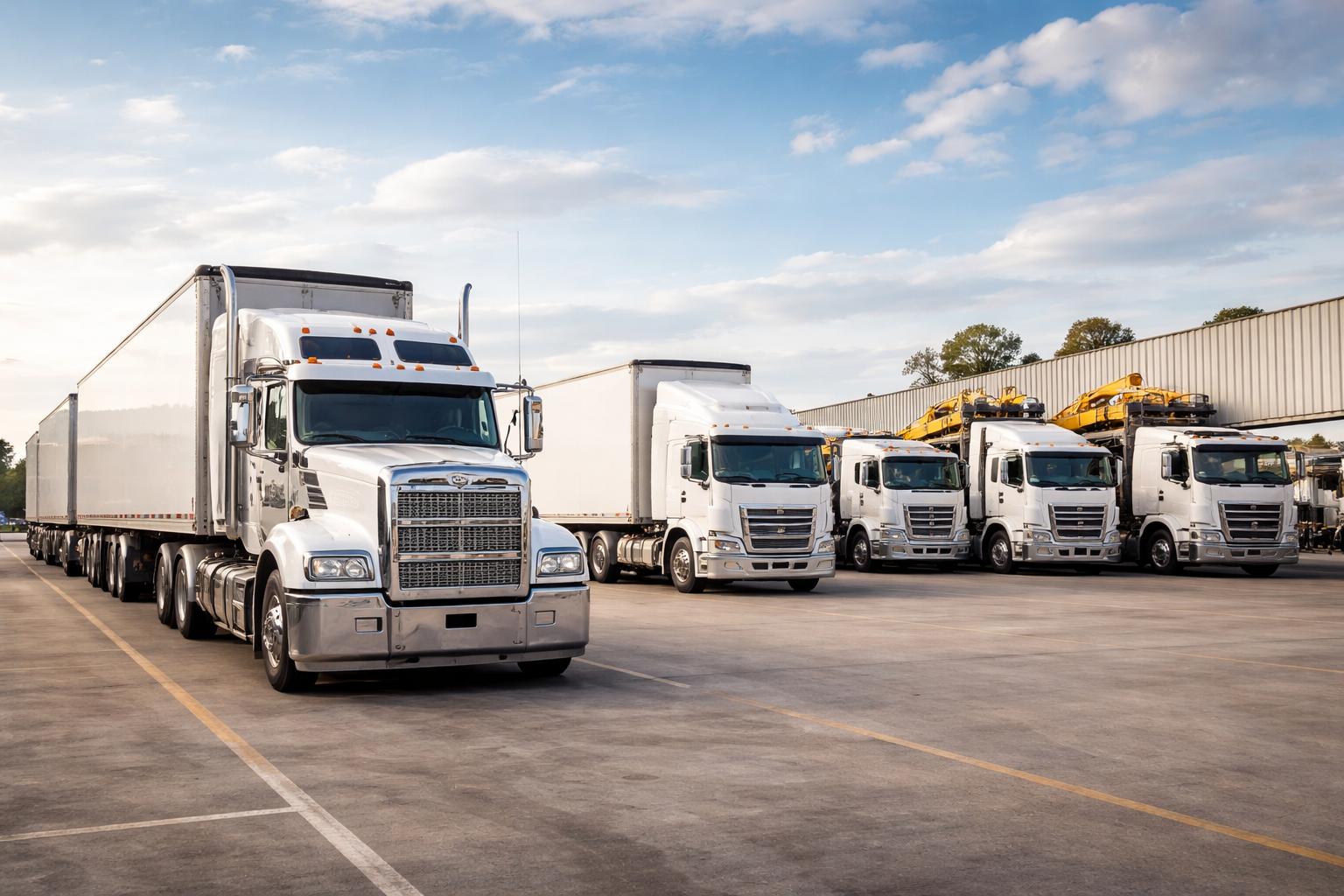
A well-designed reversing camera kit provides drivers with a clearer understanding of their surroundings, helping them navigate tight spaces, avoid obstacles, and operate more confidently. As fleet operations grow, investing in smarter visibility solutions becomes less of a luxury and more of a necessity.
Understanding Multi-View Camera Systems
Multi-view reverse systems go beyond a single rear camera. They combine multiple cameras positioned around the vehicle—typically at the rear, sides, and sometimes the front—to provide a comprehensive view.
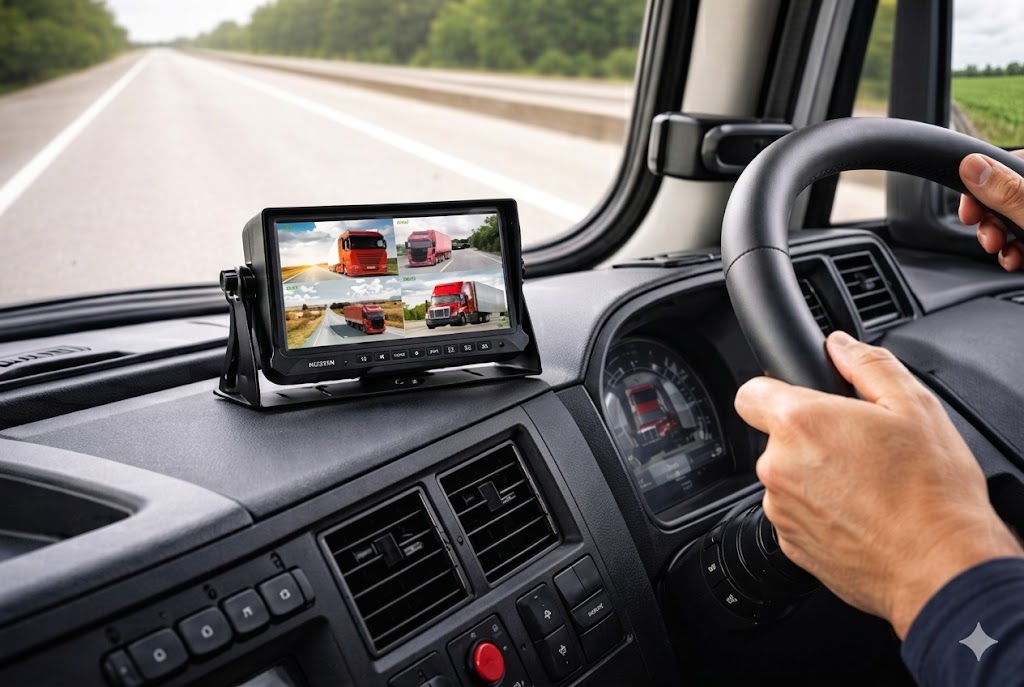
These systems display real-time footage on a central reverse camera monitor, giving drivers a complete perspective of their vehicle’s surroundings. This is especially useful for large commercial vehicles where blind spots can be significant.
By integrating multiple camera angles, drivers can switch views or even see split-screen displays, making manoeuvres like parking, reversing, and lane changes much safer and more controlled.
Why Fleet Vehicles Need Better Visibility
Fleet vehicles are often larger, heavier, and harder to manoeuvre than standard cars. Drivers frequently operate in busy environments such as warehouses, loading docks, and urban streets.
A reliable truck reverse camera helps reduce the likelihood of collisions with obstacles, pedestrians, or other vehicles. For businesses, this means fewer repair costs, reduced downtime, and improved driver confidence.
Beyond safety, better visibility also improves operational efficiency. Drivers can complete tasks faster when they don’t have to rely solely on mirrors or guesswork.
Is it a legal requirement to have a reversing camera?
The legal requirements for reversing cameras vary depending on the country and type of vehicle. In Australia, all new passenger vehicles manufactured from November 2027 must be fitted with a reversing camera or equivalent rear visibility technology under the Australian Design Rule 108/00, though requirements for commercial fleets can differ.
Even where it is not strictly mandated, installing a reverse camera is often strongly recommended by safety authorities such as the National Road Safety Partnership Program. For fleet operators, compliance is only one part of the equation. Reducing accidents, protecting drivers, and safeguarding company assets are equally important considerations.
In some industries, having proper visibility systems may also be required by workplace safety standards or insurance providers, making them a practical investment rather than just a regulatory checkbox.
Can you add a backup camera to a truck?
Yes, adding a camera system to a truck is not only possible but also widely practiced. Modern solutions are designed to be compatible with a wide range of vehicles, from small delivery trucks to large trailers.
A backup camera for truck setups can be installed as aftermarket upgrades, allowing fleet managers to enhance older vehicles without replacing them. These systems are typically durable, weather-resistant, and built to handle tough working conditions.
Professional installation ensures optimal camera placement and wiring, though many kits are also designed for straightforward setup, depending on the complexity of the system.
Wireless Systems for Flexible Installation
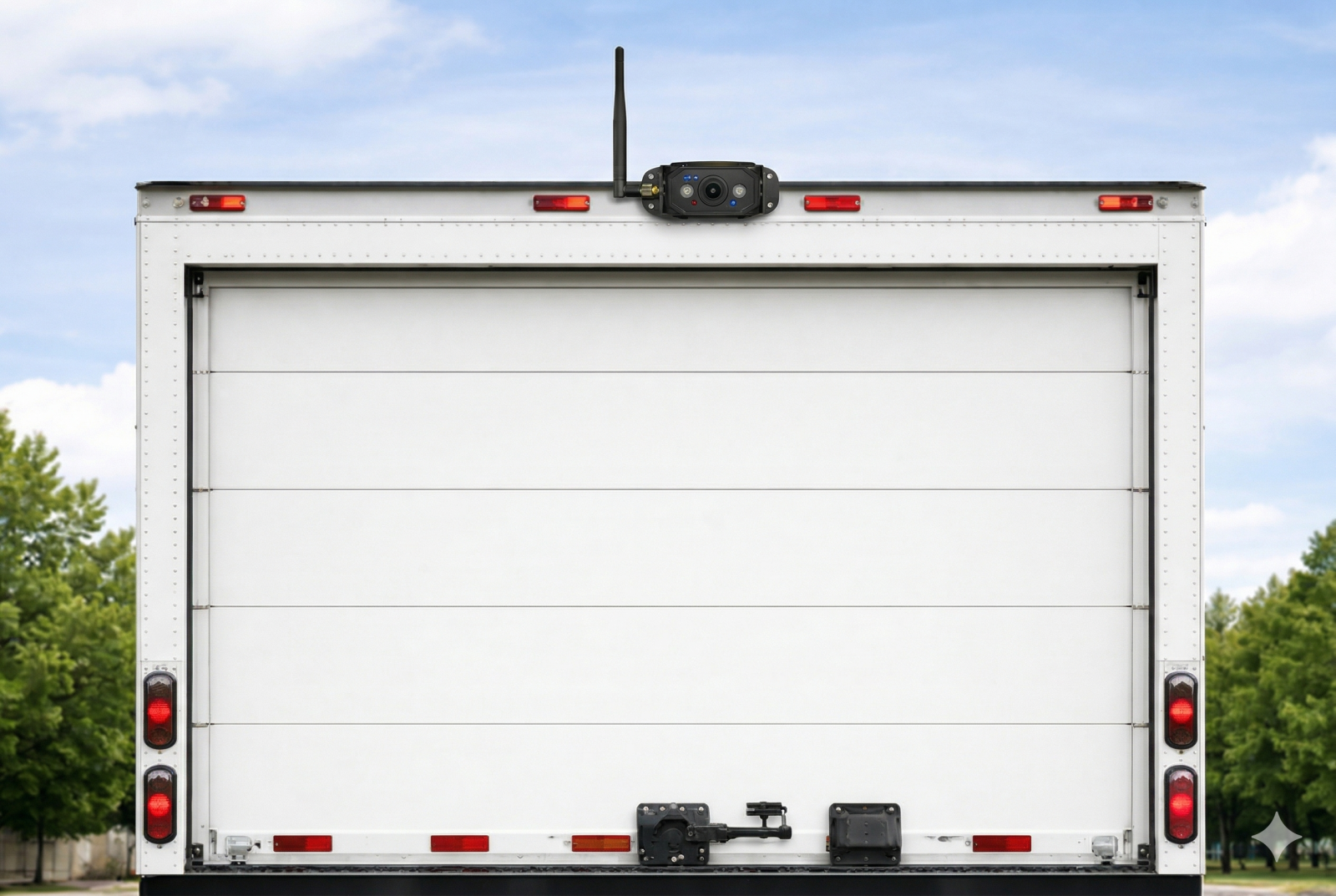
For fleets looking for convenience and flexibility, a wireless reverse camera system can be an excellent option. Unlike traditional wired setups, these systems transmit video signals without the need for extensive cabling.
This makes them particularly useful for long vehicles, trailers, or situations where running wires is impractical. Installation is generally faster, reducing downtime and labour costs.
While wireless systems are highly convenient, it’s important to choose models with strong signal stability to ensure consistent performance, especially in busy or high-interference environments.
Key Features to Look For in a Multi View System
Not all camera systems are created equal, so choosing the right one for your fleet is essential. A high-quality truck camera system should include features that enhance both safety and usability.
Look for high-definition video quality to ensure clear visibility in all lighting conditions. Night vision capability is also important for operations during low-light hours. Wide-angle lenses help cover more area, reducing blind spots further.
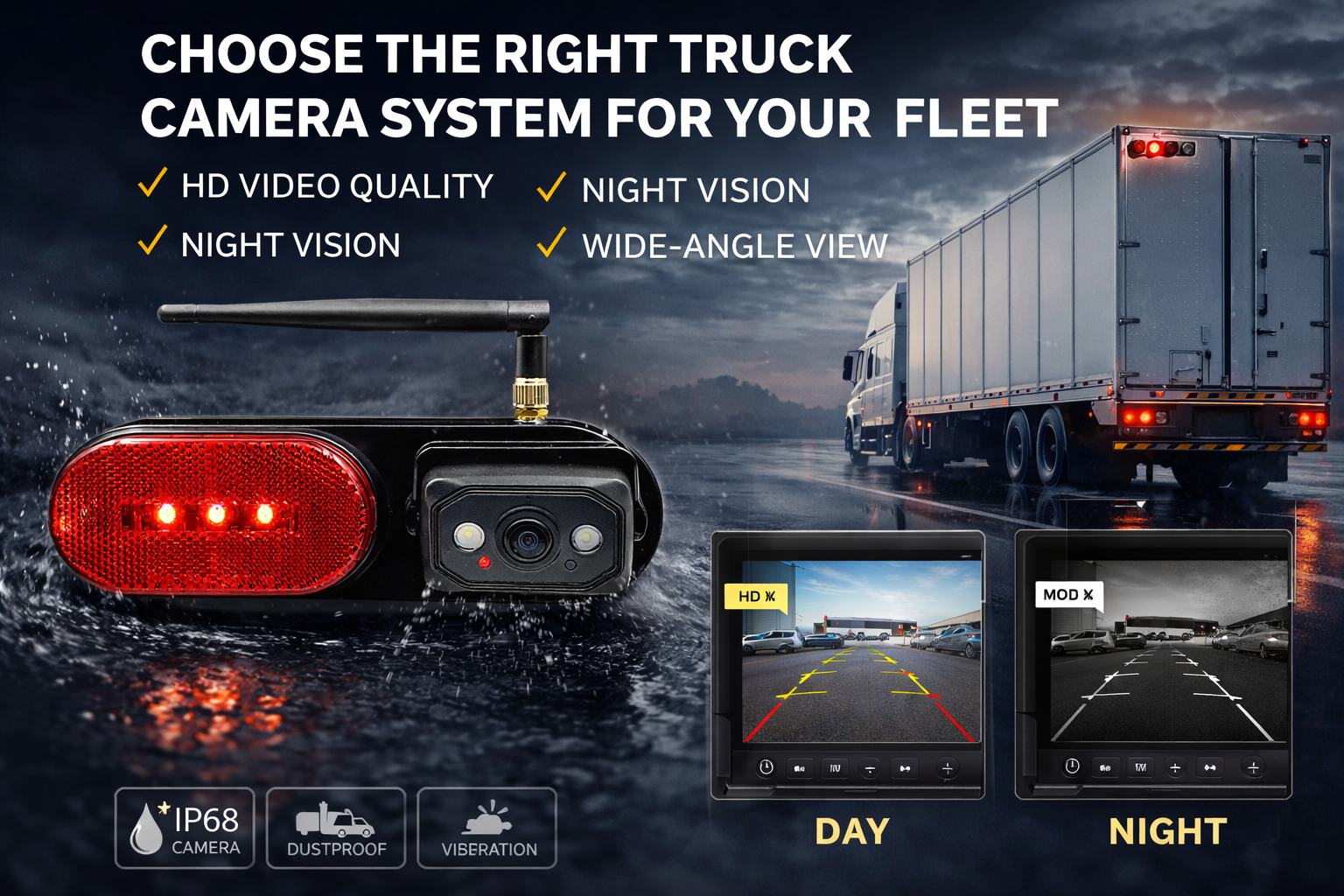
Durability is another critical factor. Commercial vehicles often operate in harsh environments, so cameras must be resistant to water, dust, and vibration. Easy-to-use controls and responsive displays also make a big difference in driver experience.
Improving Driver Confidence and Safety
One of the biggest advantages of multi-view systems is the confidence they give drivers. Navigating a large vehicle can be stressful, especially in tight or crowded spaces.
With better visibility, drivers can make quicker and more accurate decisions. This not only reduces the risk of accidents but also improves overall job satisfaction. Drivers who feel supported by reliable technology are more likely to perform efficiently and safely.
For fleet managers, this translates into fewer incidents, lower insurance costs, and improved reputation.
Applications Across Different Industries
Multi-view reverse systems are valuable across a wide range of industries. Logistics companies use them to manage delivery fleets, while construction businesses rely on them for heavy machinery and site vehicles.
Public transport operators, agricultural businesses, and utility service providers also benefit from enhanced visibility. Any operation involving large vehicles can gain from improved situational awareness.
As industries continue to prioritise safety and efficiency, these systems are becoming a standard feature rather than an optional upgrade.
Future Trends in Fleet Camera Technology
Technology in this space continues to evolve rapidly. Modern systems are starting to integrate with advanced driver assistance features, offering alerts for obstacles, pedestrians, and lane changes.
.png)
Cloud connectivity and data recording are also becoming more common, allowing fleet managers to review footage, monitor driver behaviour, and improve training programs.
In the future, we can expect even smarter systems with artificial intelligence that can analyse surroundings in real time and provide predictive warnings.
Making the Right Investment for Your Fleet
Multi-view reverse systems are transforming how fleet and commercial vehicles operate. By providing better visibility, improving safety, and enhancing efficiency, they offer significant benefits for both drivers and businesses.
As technology continues to advance, these reverse camera systems will play an even bigger role in modern fleet management. Investing in the right solution today can help ensure safer journeys, smoother operations, and long-term cost savings for any commercial fleet.
Did you enjoy reading this article?
Stay updated on our latest deals and promos by following our social media accounts.
Find this article helpful? Don't forget to click on the share buttons below.