In 2026, the world of high-performance vehicles is changing quickly. With engines reaching their limits and tyres facing tough conditions, having a dependable tyre pressure monitoring system (TPMS) is more important than ever. A TPMS improves safety, boosts performance, and prolongs tyre life. In this guide, we look at the best TPMS upgrades for high-performance vehicles, emphasising accuracy, durability, and technology that meets the needs of today’s drivers.
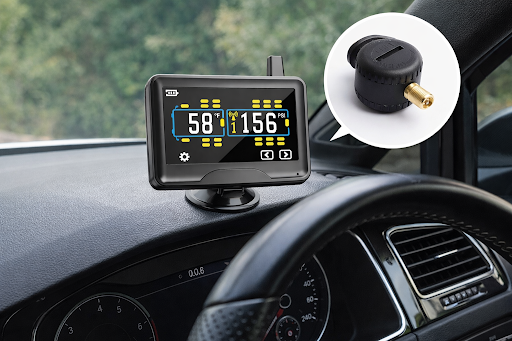
Why High-Performance Vehicles Need an Upgraded TPMS
High-performance cars are built for speed, agility, and precision. They run at higher temperatures and speeds than standard vehicles, which affects tyre pressure significantly. Even a small change in pressure can influence grip, handling, and braking performance.
A standard TPMS might not give the quick response or accuracy needed for these situations. Upgrading to a TPMS tyre pressure monitoring system allows for real-time tracking of each tyre. This gives drivers confidence during high-speed maneuvers or track sessions. In addition, modern upgrades often come with alerts for sudden pressure drops or extreme temperature changes, helping to prevent serious tyre failures.
What to Look for in a Performance TPMS in 2026
When choosing a performance TPMS, it’s important to focus on a few key factors:
- Accuracy: The system should detect even minor changes in tyre pressure.
- Speed of response: Fast updates are crucial for track or high-speed driving.
- Durability: TPMS sensors need to handle high temperatures, shocks, and extreme weather.
- Ease of use: A user-friendly interface or smartphone app can make monitoring simple.
- Compatibility: Make sure the system works with your wheel type and tyre size.
Some drivers also look for tyre pressure monitoring systems that provide customisable alerts, data logging, and integration with vehicle telematics. These features are particularly valuable for tuning and performance analysis.
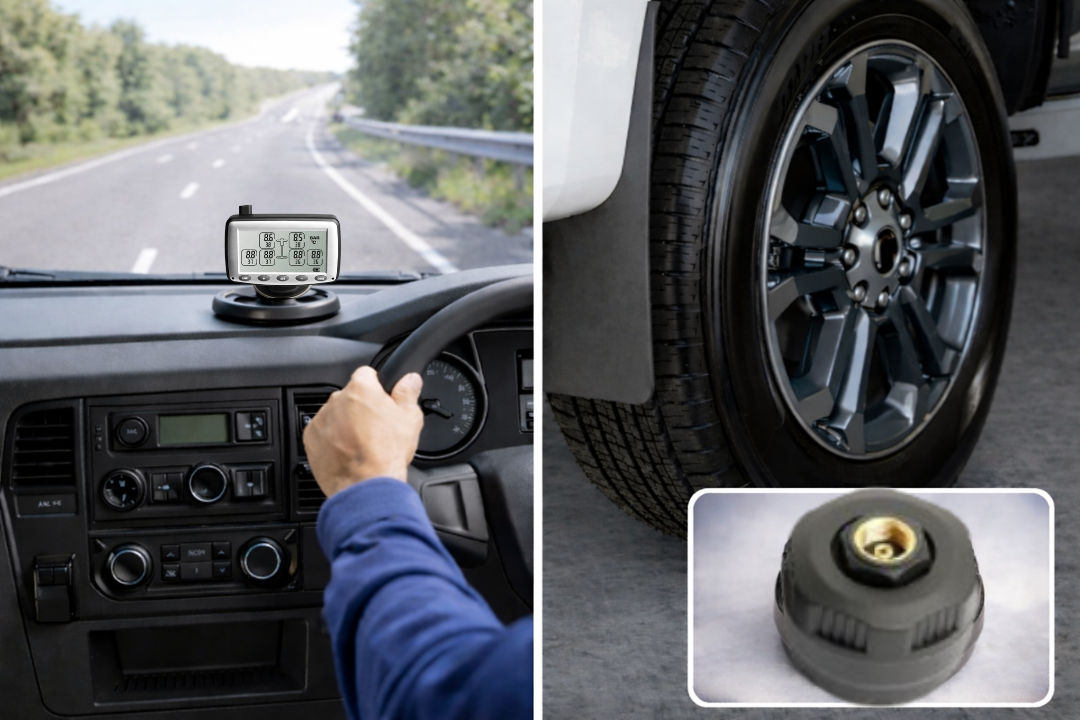
TPMS Accuracy at High Speeds and High Temperatures
High-speed driving generates heat in tyres, which can quickly change pressure levels. Without a reliable TPMS, you risk having underinflated or overinflated tyres, and both can compromise safety and performance. Modern systems use TPMS sensors with high thermal stability and fast-response electronics to provide dependable readings even in extreme conditions.
Additionally, some upgrades include predictive algorithms that adjust for thermal expansion and rotational forces. This gives drivers an accurate view of tyre health in real-time. This level of precision is essential for professional drivers and enthusiasts alike.
Top 5 TPMS Upgrades for High-Performance Vehicles in 2026
Here are the top TPMS upgrades making waves in 2026:
This system is perfect for performance sedans, SUVs, and Utes. It offers High (0-188 PSI) or Low (0-87 PSI) Pressure Flow-Thru Sensors, as well as Anti-Theft High-Pressure or Low-Pressure External Sensors. The Flow-Thru design lets you adjust pressure without removing the sensor, which is ideal for bleed-downs between track sessions.
- Key Feature: It has a "Safety Hammer" design on the 12V plug to shatter glass in emergencies.
- Tech Spec: It monitors up to 4 tyres with ±1.5 PSI accuracy and includes a USB-A port for charging devices.

If you have a dually Ute or a heavy-duty RV towing a trailer, this is the one for you. It can handle up to 6 tyres and features a large 3.5-inch LCD screen. It comes with High or Low Pressure Flow-Thru Sensors or Anti-Theft High-Pressure or Low-Pressure External Sensors.
- Key Feature: It includes a built-in 850mAh battery that lasts 60 hours wirelessly and a hardwire kit for permanent installation.
- Capability: It's designed for caravan tyre pressure monitoring system users who need high-pressure anti-theft caps that stay put during long trips.

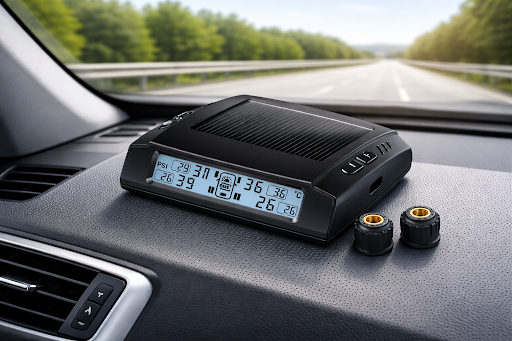
Designed for drivers who dislike wires, this unit has a built-in solar panel for charging. It effectively monitors up to 7 tyres, including your spare. You can choose between Anti-Theft High-Pressure or Low-Pressure External Sensors or High or Low Pressure Flow-Thru Sensors.
- Key Feature: It features a "Smart Screen" that automatically adjusts brightness for day or night and turns red during alerts.
- Sensor Choice: It works with a full range of TPMS sensors (HPE22, HPSP3, etc.), offering you great flexibility.
If you need a system for heavy trucks or road trains, this one stands out. It has a large 5-inch Full-Colour LCD Touchscreen. Like the others, it also includes High/Low Pressure Flow-Thru Sensors or Anti-Theft High-Pressure or Low-Pressure External Sensors.
- Key Feature: It can monitor up to 76 tyres, making it an essential truck tyre pressure monitoring system for 2026 heavy-duty commercial fleets.
- Innovation: It has a "Display Auto-Hide" feature that removes sensors from the screen when a trailer is disconnected.

This system comes in configurations for 22 or 38 tyres, designed for B-Doubles and Tractor-Trailers. It has a high-capacity 850mAh battery and a dedicated "LINK" button for quickly connecting and disconnecting trailers. Like other models, it features High or Low Pressure Flow-Through Sensors or Anti-Theft High or Low Pressure External Sensors.
- Key Feature: High-Pressure Flow-Thru sensors accurately detect up to 188 PSI.
- Reliability: It has a TPMS sensor ID learning mode that works quickly, allowing for fast swaps in busy paddocks or depots.

Each of these systems offers unique benefits, making it easier to match your car’s performance needs with the right monitoring technology.
Installation and Compatibility of TPMS with Aftermarket Wheels
Aftermarket wheels often need TPMS modifications. Not all sensors fit every wheel, so it’s important to check the size, valve type, and mounting requirements. Many modern upgrades include universal adapters or adjustable sensors to make installation easier. For DIY enthusiasts, the process is usually simple, while professional installation guarantees proper calibration and sensor positioning.
When upgrading, also ensure that the TPMS does not disrupt alerts from your car’s ECU. This is especially important for high-end or modified vehicles, where the electronics are carefully tuned for performance.
How to Maintain and Calibrate a Performance TPMS
Maintaining your TPMS is just as important as picking the right system. Here’s how to keep it working well:
- Regular Checks: Inspect sensors and valve stems for damage or corrosion.
- Battery Replacement: Internal sensors usually depend on batteries that should be changed every few years.
- Recalibration: Whenever you rotate, change, or replace tyres, recalibration makes sure you get accurate readings.
- Firmware Updates: Some modern systems allow you to update firmware through apps to fix bugs or improve sensor accuracy.

By following these steps, you can extend the life of your sensors and keep your TPMS precise in all driving conditions.
Making the Right TPMS Upgrade Choice for 2026
Choosing the right TPMS depends on your vehicle type, driving style, and budget. Whether you want the best TPMS sensor or need a system that works with aftermarket or heavy-duty wheels, the market in 2026 has options for every high-performance situation.
When picking an upgrade, think about:
- How often you drive at high speeds or on tracks.
- Your vehicle’s electronics and dashboard integration.
- The importance of data logging or smartphone connectivity.
A good TPMS is an investment in safety, performance, and peace of mind.
Why Upgrading Your TPMS Is Worth It
Upgrading your TPMS is important for owners of high-performance vehicles. Better accuracy, quicker response times, and improved durability can significantly improve safety and the driving experience. In 2026, the best tyre pressure monitoring system combines technology, reliability, and compliance to meet the demands of today’s high-performance cars. Whether you drive daily, go to the track, or take long trips, investing in a better tyre pressure monitoring system helps keep your tyres and your driving at their best.
Did you enjoy reading this article?
Stay updated on our latest deals and promos by following our social media accounts.
Find this article helpful? Don't forget to click on the share buttons below.