Reversing a caravan comes with challenges that standard vehicles do not. Extra length, limited rear visibility, tight campsites, and unfamiliar parking angles can quickly add pressure, even for experienced towers.
When customers speak with us, one question consistently comes up: should they install parking sensors, a reverse camera, or both?
We work with caravan owners across Australia every day, so we see where uncertainty usually sits. Below, we explain how each option behaves in real towing situations, what installation typically involves, and how to choose a setup that fits how you actually use your caravan.
How Parking Sensors Work When Towing a Caravan
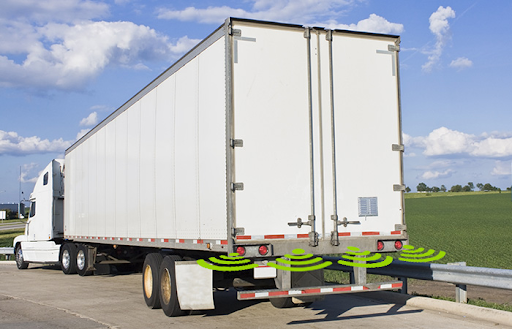
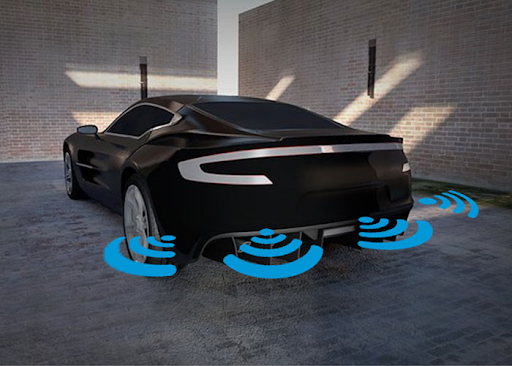
Parking sensors use ultrasonic sensors mounted to the rear of the caravan to detect nearby obstacles. As you reverse, the system produces audible alerts that increase in frequency as the distance closes. It mirrors the systems fitted to modern vehicles, adapted for a longer rear profile.
Where parking sensors tend to work well:
- Detecting low objects that mirrors or rear windows miss
- Providing distance cues during night parking or poor visibility
- Reducing reliance on hand signals when reversing solo
We recommend reverse parking sensors to drivers who prefer sound-based feedback over watching a screen while manoeuvring.
You can view compatible options on our Caravan Parking Sensors page.
What Reverse Cameras Add To the Setup
Reverse cameras provide a live visual feed of what sits behind the caravan. Mounted high or low depending on the model, the camera sends footage to a display inside the towing vehicle.
Seeing rear corners, alignment, and obstacles helps them place the caravan more precisely, especially in confined areas.
Reverse cameras are great for:
- Accurate positioning in tight campsites or driveways
- Checking alignment while reversing toward a hitch or boundary
- Situations where audible alerts feel too indirect
Our range of caravan-ready systems is available on our Caravan Reverse Cameras page.
Parking Sensors vs Reverse Cameras: Side-by-Side Comparison
| Feature |
Parking sensors
|
Reverse cameras
|
| Feedback type |
Audible alerts |
Visual display
|
|
Primary strength
|
Distance awareness
|
Position and alignment
|
|
Screen required
|
No
|
Yes
|
|
Learning curve
|
Short
|
Moderate
|
|
Common pairing
|
Front parking sensors or rear sensors
|
Sensors for added depth cues
|
Many caravan owners eventually combine both systems, but understanding how each behaves helps avoid unnecessary upgrades.
Installation Considerations
Parking sensors installation involves sensor placement, wiring, and calibration. Reverse cameras require careful mounting and display integration inside the vehicle.
Before purchasing, we can talk through:
- Caravan length and rear design
- Existing wiring or camera setups
- Comfort level with DIY work versus professional fitting
We can help you assess compatibility before deciding. You can also browse our blog for practical guidance and product context.
Where Compatibility And Fitment Often Go Wrong
Common post-purchase issues are linked to fitment. Caravan rear design, mounting height, and tow length all affect how sensors detect obstacles or how a camera's view lines up on screen.
A setup that works well on one caravan can behave very differently on another. Checking compatibility early helps avoid rework and unnecessary adjustments later.
How We Help You Narrow the Choice
Instead of pushing one option over another, we focus on how you tow.
- If you prefer immediate alerts and minimal cabin distraction, parking sensors feel intuitive.
- If visual confirmation reduces stress during close manoeuvres, a camera can add clarity.
In many cases, pairing parking sensors with a camera provides balanced feedback without complicating the setup.
What Experienced Caravan Owners Look For After The First Few Trips
After time on the road, priorities tend to settle around day-to-day usability. Based on customer feedback, experienced caravan owners tend to prioritise:
- Alerts that are clear and easy to interpret while reversing
- Consistent performance across campsites, driveways, and service areas
- Screen placement and controls that do not clutter the cabin
- Equipment that continues to perform after long-distance travel
This is usually when owners fine-tune or add to their original setup.
Ready To Compare Options or Get Setup Advice?
If you are weighing up parking sensors, reverse cameras, or a combined system, we can help you compare options based on your caravan layout and towing habits.
You can explore our caravan parking sensor and reverse camera range. If you need in-depth, personalised advice, reach out to us for compatibility and installation guidance. You may also read more practical advice in our blog.
When you are ready to move forward, we are here to help you choose equipment that fits your caravan and how you use it.