When it comes to improving vehicle security and staying informed on the road, many Australian drivers find themselves choosing between a GPS tracking device and a camera system. Both technologies offer valuable benefits, but they serve very different purposes.
If you own a family vehicle, work ute, caravan, fleet vehicle, or daily commuter, understanding the difference between a car GPS tracker and a dash camera can help you make a smarter buying decision. While one focuses on vehicle location and movement, the other captures video footage of your journey.
So which one do you actually need? The answer depends on your driving habits, security concerns, and how you use your vehicle. Let's take a closer look.
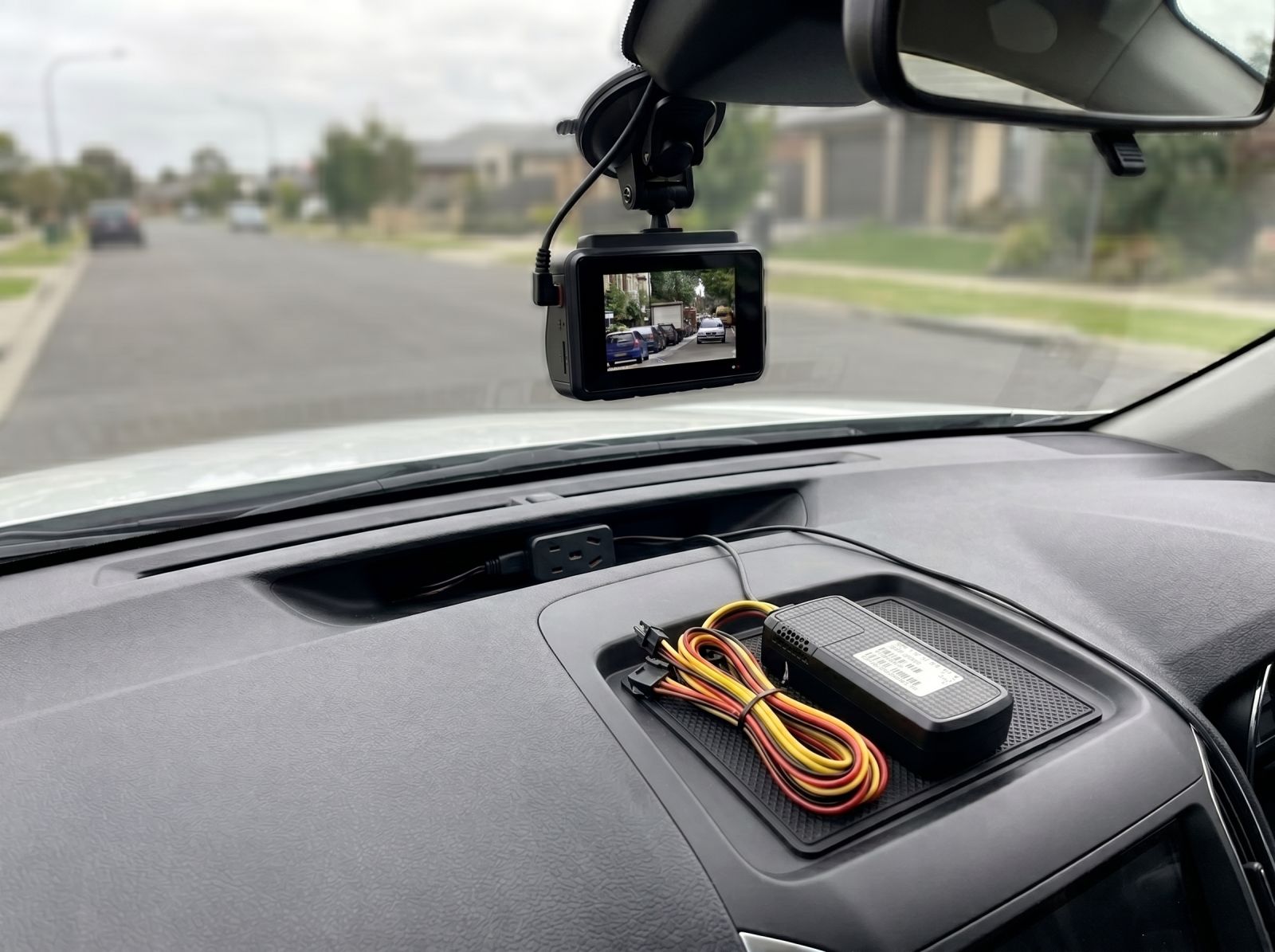
What Is a Car GPS Tracker?
A GPS tracker is designed to monitor the location of a vehicle using satellite positioning technology. It records movement data and can often provide real-time updates through a mobile app or web platform.
An automotive GPS tracker is commonly used by:
- Business fleet operators
- Caravan and trailer owners
- Families monitoring shared vehicles
- Tradies managing work vehicles
- Drivers concerned about vehicle theft
The primary purpose of a GPS tracker is location monitoring. Instead of recording video, it tells you where a vehicle has been, where it currently is, and in some cases how fast it has been travelling.
This information can be useful for improving vehicle management, tracking journeys, and helping locate a vehicle if it goes missing.
What Is a Dash Cam?
A dash cam is a video recording device mounted inside a vehicle. It continuously records footage while you drive and can capture important events that occur on the road.
A dash cam is popular among Australian drivers because it provides visual evidence of incidents, near misses, and unexpected events.
Many models record automatically when the vehicle starts and save footage to a memory card. Depending on the system, drivers can access recorded videos when needed.
Common uses include:
- Recording road incidents
- Capturing evidence after an accident
- Monitoring driving behaviour
- Recording scenic road trips
- Providing additional peace of mind during everyday driving
Unlike GPS trackers, dash cams focus on what happened rather than where the vehicle travelled.
Key Differences Between GPS Trackers and Dash Cameras
Although both products are designed for vehicles, their functions are very different.
GPS Tracker Functions
A GPS tracker for car applications typically provides:
- Real-time location updates
- Route history
- Vehicle movement monitoring
- Geofencing alerts in some models
- Vehicle recovery assistance
Dash Cam Functions
A car dash cam typically provides:
- Continuous video recording
- Incident footage
- Parking surveillance features on supported models
- Evidence for insurance discussions
- Visual records of driving conditions
The biggest difference is simple:
- GPS trackers record location data.
- Dash cams record video footage.
Understanding this distinction helps you determine which technology aligns with your needs.
When a GPS Tracker for Car Is the Better Choice
There are situations where a tracking device offers greater value than a camera system.
A vehicle GPS tracker may be the better choice if your priority is monitoring where a vehicle goes throughout the day.
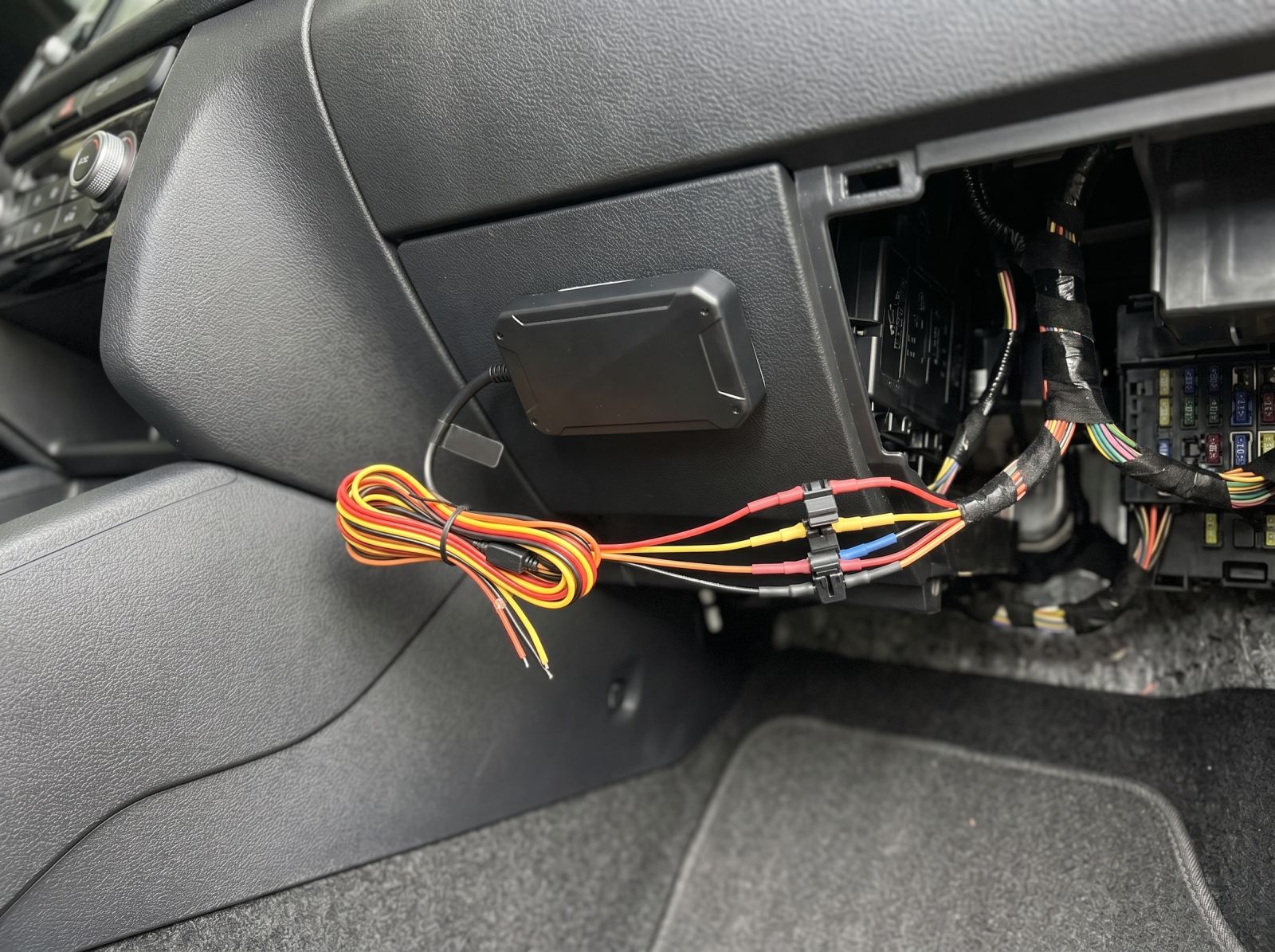
For example:
Fleet Management
Business owners often want visibility over vehicle movements. Tracking data can help monitor routes, improve scheduling, and understand vehicle usage patterns.
Caravan and Trailer Security
Caravans and trailers are significant investments. Knowing their location can provide added reassurance when travelling or storing them.
Family Vehicle Monitoring
Parents may want to monitor the location of a shared family vehicle without necessarily recording video footage.
Vehicle Recovery Support
While no device can prevent theft, location tracking may assist in identifying where a vehicle is located if it is moved without permission.
When a Dash Cam Is the Better Investment
For many everyday drivers, video evidence is often more valuable than location data.
A front and rear dash cam can capture activity both in front of and behind the vehicle, providing broader visibility when driving and parking.
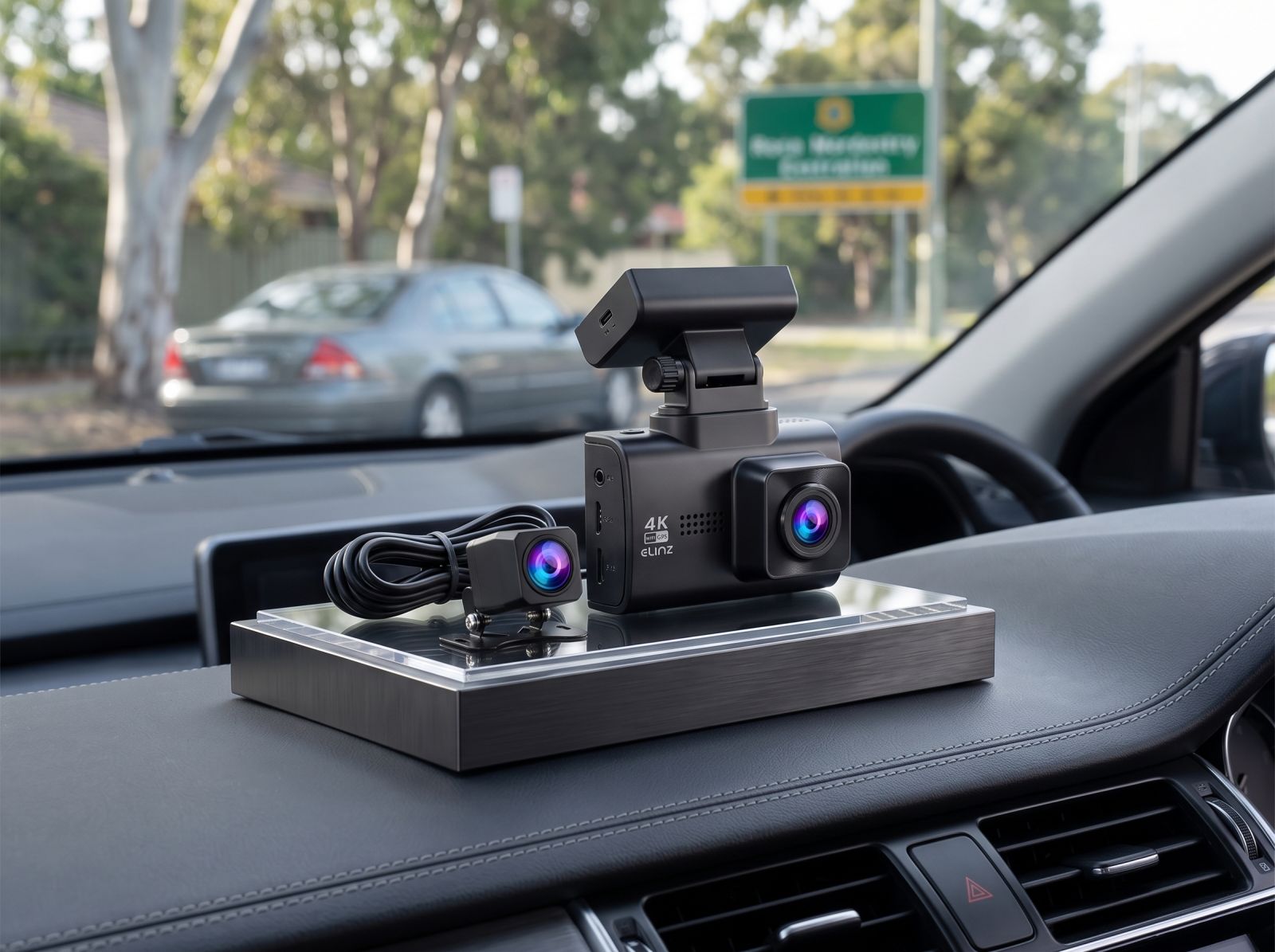
Common situations where a dash cam is particularly useful include:
Accident Documentation
Video footage can help provide a clearer picture of what occurred during an incident.
Parking Protection
Many modern systems offer parking monitoring features that can record activity when the vehicle is stationary.
Road Trip Recording
Australian road trips often involve long distances and memorable scenery. A dash cam can record the journey while also serving as a safety tool.
Everyday Driving Confidence
Having a visual record of events can provide additional reassurance during daily commutes and highway travel.
Why Many Australian Drivers Choose Both Device
In many cases, the best answer is not choosing one over the other.
A tracking device and dash camera often complement each other.
For example:
- The tracker shows where the vehicle travelled.
- The camera shows what happened during the journey.
This combination can be especially valuable for:
- Business vehicles
- Delivery fleets
- Caravan owners
- Rideshare drivers
- Frequent travellers
- Work vehicles operating across multiple locations
Many Australian drivers find that using both technologies creates a more complete vehicle monitoring setup.
Important Features to Look for Before Buying
Whether you're shopping for a tracker or camera, it's important to focus on features that match your needs.
GPS Tracker Features
Consider:
- Real-time tracking capability
- Mobile app access
- Route history reporting
- Geofence functionality
- Easy installation
Dash Cam Features
When comparing a dash cam front and rear system, look for:
- High-resolution recording
- Wide viewing angles
- Night vision performance
- Loop recording
- Parking mode support
- GPS integration if available
Choosing features that support your driving habits will provide better long-term value.
Choosing the Right Vehicle Monitoring Solution for Australian Roads
Vehicle technology needs can vary significantly depending on where and how you drive.
When selecting a dash cam in Australia, consider local driving conditions such as:
- Long-distance regional travel
- Busy metropolitan traffic
- Harsh sunlight
- Variable weather conditions
- Caravan and towing requirements
Drivers who regularly travel between cities, work in remote areas, or spend significant time on the road may benefit from different features compared to occasional commuters.
For those researching the best dash cam in Australia, the ideal option is usually the one that offers reliable recording quality, practical features, and a setup that suits the vehicle's intended use.
Similarly, GPS tracking solutions should be selected based on how often location monitoring is needed and whether real-time updates are important.
Frequently Asked Questions
Is a GPS tracker better than a dash cam?
Neither product is universally better. GPS trackers focus on vehicle location, while dash cams focus on recording video evidence. The right choice depends on your priorities.
Can a dash cam track vehicle location?
Some dash cams include GPS functionality that records route information, but their primary purpose remains video recording rather than live vehicle tracking.
Do GPS trackers record video footage?
No. GPS trackers are designed to record location and movement data rather than video footage.
Are front and rear dash cams worth it?
Many drivers appreciate the additional coverage provided by cameras facing both directions, particularly when driving in busy traffic or parking in public areas.
Should fleet vehicles use both systems?
Many businesses choose both technologies because they provide different types of information that can support vehicle management and incident reviews.
Choosing Between a Car GPS Tracker and Dash Cam
Choosing between a GPS tracker and a dashcam ultimately comes down to what information you want from your vehicle.
If your priority is monitoring vehicle location, route history, and movement, a GPS tracking solution may be the right fit. If you want visual evidence of events on the road, a dash cam is likely the better choice.
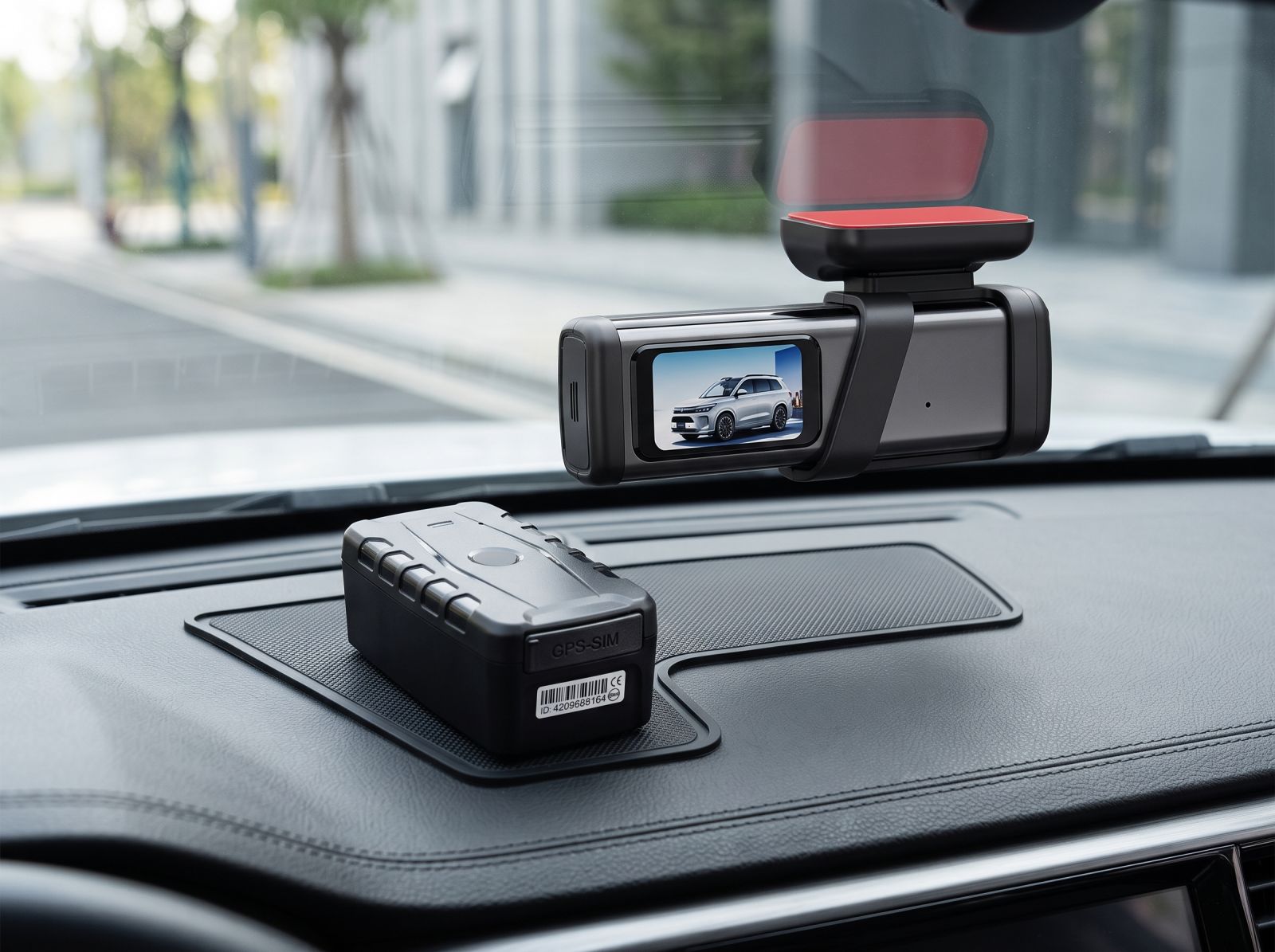
For many Australian drivers, combining both technologies provides the most complete picture of vehicle activity. GPS tracking offers location awareness, while video recording provides valuable visual context.
Whether you're managing a fleet, protecting a caravan, commuting daily, or planning your next road trip, exploring practical vehicle monitoring solutions from Elinz can help you find a setup that suits your needs and driving style.
Did you enjoy reading this article?
Stay updated on our latest deals and promos by following our social media accounts.
Find this article helpful? Don't forget to click on the share buttons below.