Tyre Pressure Monitoring System (TPMS) is an automated system that monitors your car’s tyre pressure. It monitors your tyre pressure in real-time and can trigger a TPMS warning on your display if it senses substantially under-inflated tyre/tyres, which is typically 25% below the manufacturer's prescribed tyre pressure. For safety reasons, all vehicles produced after 2007 are required to have a TPMS device installed..
WHAT DOES TPMS DO?
Ensuring appropriate tyre pressure is critical for tyre traction, endurance, and protection. When wheels are under-inflated, they tear unequally and have less traction on the ground, especially in turns. In addition, fuel efficiency suffers. The most dangerous safety threat is severely under-inflated tyres, which can unexpectedly blow out, resulting in a lack of balance and potentially a crash.
Tyre pressure varies with temperature and time, yet most users aren't in the practice of testing and changing tyre pressure on a regular basis – even "sealed" tyres will lose up to 2 psi each month. TPMS stands for tyre pressure monitoring system, which it does seamlessly. You will be able to see individual tyre pressure readings depending on the car. A notification light will illuminate if tyre pressure falls by 25% below the fixed pressure, varying on the car.
HOW DOES TPMS WORK?
Direct and indirect TPMS. Direct TPMS, like a tyre pressure scale, uses sensors outside or inside each tyre to precisely monitor tyre pressure. Each sensor sends a radio signal to a transmitter within the car, which uses the transmissions to track tyre pressure and display readings or activate the warning light, depending on the vehicle's configuration. Since TPMS sensor batteries do not last indefinitely and may not even be replaceable, maintenance becomes more costly. Direct TPMS, on the other hand, is more precise and effective than indirect TPMS..
INDIRECT TPMS
The most common form of TPMS found in non-luxury automobiles is indirect TPMS. When a tyre loses air, it will provide a simple warning to the user. Indirect TPMS compares the spin rate of one tyre to the others using the Anti-Lock Braking System (ABS) wheel speed detectors on a car. If a tyre is short on air pressure, it can rotate at a different rate than the other three and warn the car's onboard computer.
Indirect devices are unable to have reliable readings and can fail to warn you if all four tyres are dropping pressure at the very same time, as a factor of temperature and time. They also have trouble detecting sluggish leakage. This means that a driver will most likely only be notified when a tyre is down, leaving them with no choice but to fix the tyre or call for help from a roadside assistance provider.
DIRECT TPMS
Direct TPMS is much more popular in high-end cars and is usually only available as a regular feature. Tyre pressure sensors/transmitters are connected to the vehicle's wheels in a car with direct TPMS. If the pressure in either tyre falls below a predetermined threshold, normally 25% below the vehicle's placard, an in-vehicle transmitter alerts the pilot. Direct TPMS devices are more precise and efficient, and they can usually tell which tyre is under-inflated. It's possible that the reading is correct to within 1 psi.
Tyre repair with direct TPMS, on the other hand, can cost more, according to tyre mechanics, because the TPMS sensors and direct TPMS system would take more labour and testing to keep in good working order..
SUMMING IT UP
The tyre pressure monitoring system (TPMS) is an important component of every vehicle that aids in safe driving. Also, remember to check the tyre pressure with a gauge on a regular basis, as it is more precise, and the correct tyre pressure can vary depending on the weather.
Installing a Tyre Safety Monitor is one of the simplest ways to keep track of your tyre protection at all times. Unlike direct or indirect TPMS devices, this smart tyre sensor will track slow leakage — the kind that creeps up on you and causes catastrophe — and keep you informed about the exact PSI of all four tyres.
WHY ELINZ TPMS?
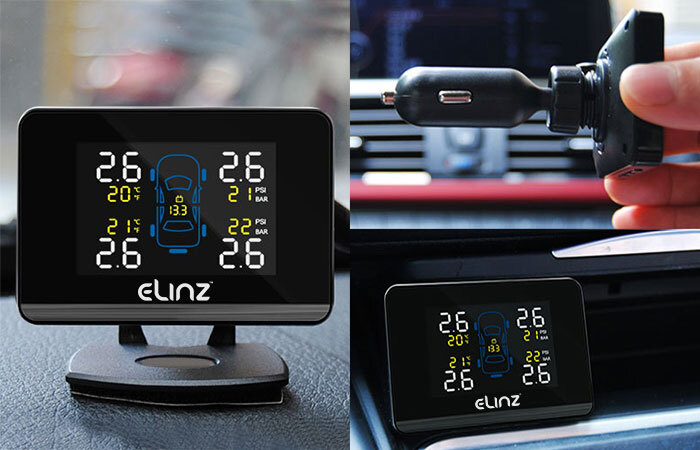
Conveniently monitor your tyre pressure with this digital TPMS tyre pressure monitoring system. It can provide you real-time tyre information of your tyre pressure, temperature, and battery voltage.
This car auto wireless digital TPMS tyre pressure monitoring system can be a great tool to install on your vehicle especially if you plan on having long drives or going on of town adventure.
With its digital LCD screen, you can easily monitor pressure, car voltage, and temperature, the pressure unit is BAR/PSI, and the temperature unit can set to Celsius/Fahrenheit. Plus, it comes with dual USB charging ports that allow you to charge up your mobile devices.
With a different alert system, you can avoid unwanted situations to ruin your day and get stuck on the road. This Universal TPMS Can be widely used in most types of 4x4, car, SUV, Commercial Car, Station Wagon, Limousine, MPV, Sports Car, Pickup Truck, and more.
.jpg)
.jpg)
Frequently Asked Questions About TPMS
1. What is a tyre pressure monitoring system and why is it important?
A tyre pressure monitoring system (TPMS) monitors the air pressure inside your tyres and alerts you when one or more tyres become under-inflated. Maintaining the correct tyre pressure improves vehicle safety, handling, braking performance, fuel efficiency, and tyre lifespan while reducing the risk of tyre blowouts.
2. What is the difference between direct and indirect TPMS?
Direct TPMS uses pressure sensors installed inside each tyre to provide accurate, real-time tyre pressure readings. Indirect TPMS relies on the vehicle's ABS wheel speed sensors to detect changes in tyre rotation caused by low pressure. Direct TPMS is generally more accurate and can identify which specific tyre has low pressure.
3. Can a TPMS detect slow tyre leaks?
Yes, a direct TPMS can often detect gradual pressure loss by continuously monitoring each tyre's air pressure. This allows drivers to address slow leaks before they become serious safety hazards, helping prevent unexpected flats or blowouts during a trip.
4. How often should I check my tyre pressure if I have a TPMS?
Even if your vehicle has a TPMS, it's recommended to check your tyre pressure manually at least once a month and before long journeys. Tyre pressure naturally changes with temperature and time, so regular checks help ensure your tyres remain inflated to the manufacturer's recommended pressure.
5. Is a wireless TPMS suitable for all vehicles?
Many aftermarket wireless TPMS kits are designed to fit a wide range of vehicles, including passenger cars, SUVs, 4WDs, pickup trucks, MPVs, station wagons, and light commercial vehicles. Always check the product specifications to ensure compatibility with your vehicle before installation.
For more information about the best TPMS in the market, click HERE!
Find this blog helpful?
Click the buttons below to share this to your pals!