If you've ever wished your vehicle had better navigation, easier smartphone connectivity, or more entertainment options on long drives, you're not alone. Many Australian drivers eventually reach a point where the original stereo no longer meets their needs. That's when the decision often comes down to keeping the factory system or upgrading to a car multimedia player that offers more modern features.
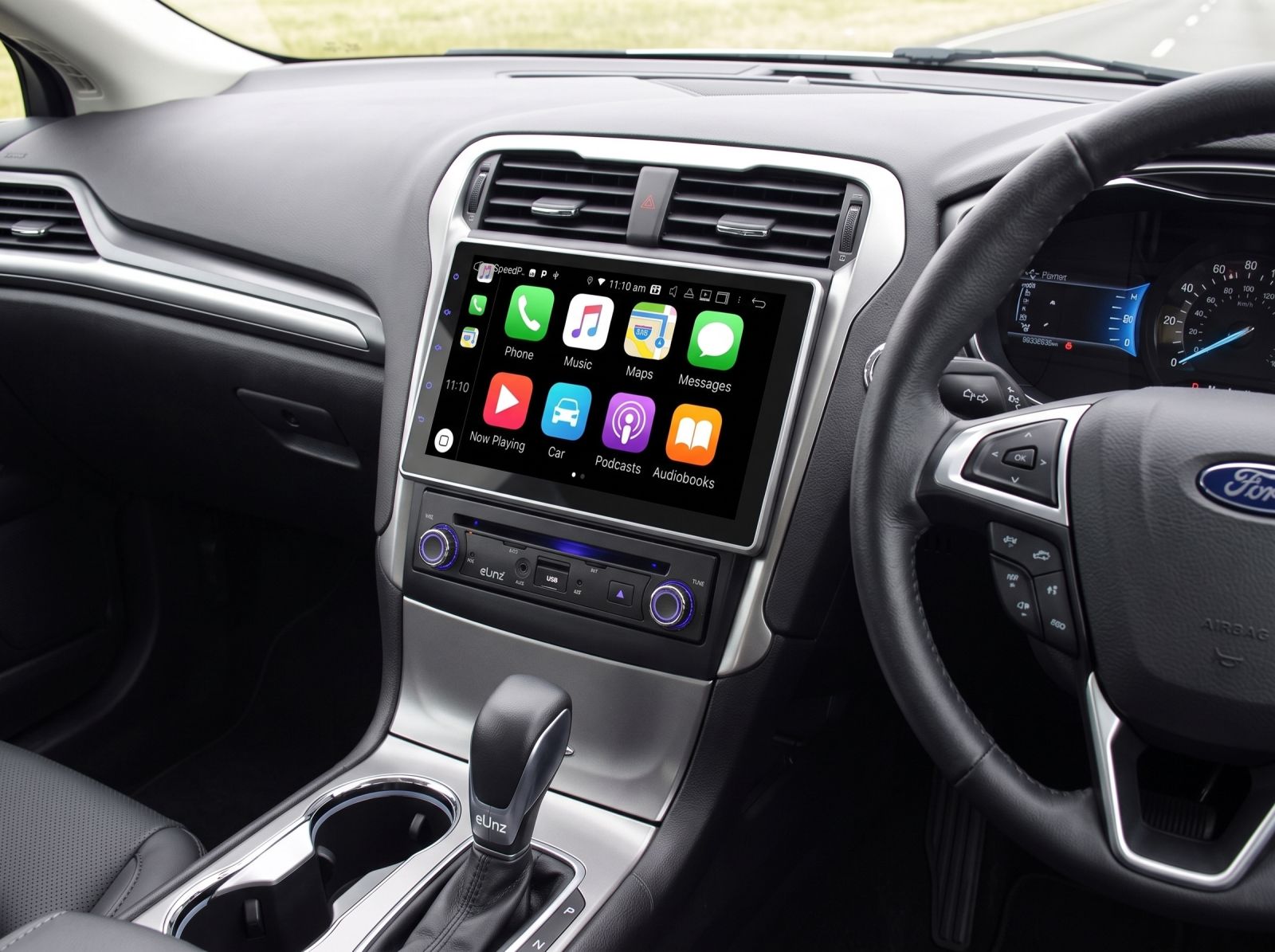
Both options have their advantages, but they serve different types of drivers. Whether you commute every day, travel with family, head off on camping trips, or simply want a more enjoyable driving experience, understanding the differences can help you make a smarter investment.
Understanding What a Factory Head Unit Offers
A factory head unit is the audio and infotainment system installed by the vehicle manufacturer. It is designed to integrate seamlessly with the vehicle's controls, dashboard, and electrical system.
Most modern factory systems provide basic features such as:
- AM/FM radio
- Bluetooth calling
- USB connectivity
- Basic navigation on selected models
- Steering wheel control compatibility
For many drivers, these features are sufficient for everyday commuting. Factory systems are generally reliable because they are specifically designed for the vehicle.
However, depending on the age and model of the car, they may lack newer technologies that have become increasingly common in today's connected world.
What Makes an Android Upgrade Different
An android car head unit replaces the original stereo with a more advanced infotainment system powered by the Android operating system.
Instead of being limited to factory-installed software, these systems function much like a tablet built into your dashboard. They allow users to install compatible apps and access a wider range of features that improve convenience during everyday driving.
Popular functions often include:
- Google Maps and other navigation apps
- Music streaming services
- Video playback when parked
- Wireless connectivity
- Voice assistant support
- Split-screen functionality
- Wi-Fi capability
- Expanded storage options
The flexibility of Android makes these systems attractive for drivers who want greater control over their in-car technology.
Comparing Features That Matter Most
Choosing between a factory unit and an aftermarket upgrade becomes easier when you compare the features that affect daily driving.
Navigation
Many factory systems include built-in navigation, but map updates may require additional costs or dealership visits.
Android systems typically support online navigation apps that receive frequent updates, making it easier to find new roads, avoid traffic, and locate nearby services.
Smartphone Integration
Although newer factory systems may support Apple CarPlay or Android Auto, older vehicles often lack these features.
Android-based systems usually provide broader compatibility and greater flexibility when connecting smartphones.
Entertainment
Factory systems generally focus on music playback and radio.
Android platforms support a much wider variety of entertainment options, including streaming services, podcasts, audiobooks, and downloadable apps.
Software Updates
Factory software updates are usually controlled by the vehicle manufacturer and may become unavailable as the vehicle ages.
Android systems can often receive newer app updates, allowing drivers to continue using modern services.
Screen Quality Can Change the Driving Experience
The display is one of the most noticeable differences between older factory systems and modern aftermarket upgrades.
A larger car display monitor provides improved visibility for navigation, reversing cameras, and multimedia controls. Larger touchscreens can also make it easier to access functions without navigating through multiple menus.
Higher-resolution displays often produce sharper graphics and clearer maps, helping drivers view important information more comfortably.
Installation and Vehicle Compatibility
Many drivers worry that replacing a factory stereo may be complicated.
Fortunately, many aftermarket systems are designed to suit specific vehicle models, helping maintain a clean factory-style appearance while supporting original steering wheel controls and other essential functions.
Professional installation can also ensure proper integration with:
- Reverse cameras
- Parking sensors
- Vehicle audio systems
- Bluetooth microphones
- USB ports
Choosing equipment designed for your particular vehicle can make the installation process much smoother.
Entertainment for Rear Seat Passengers
Families often spend hours travelling during school holidays, weekend getaways, or interstate road trips. Keeping passengers entertained can make those journeys much more enjoyable.
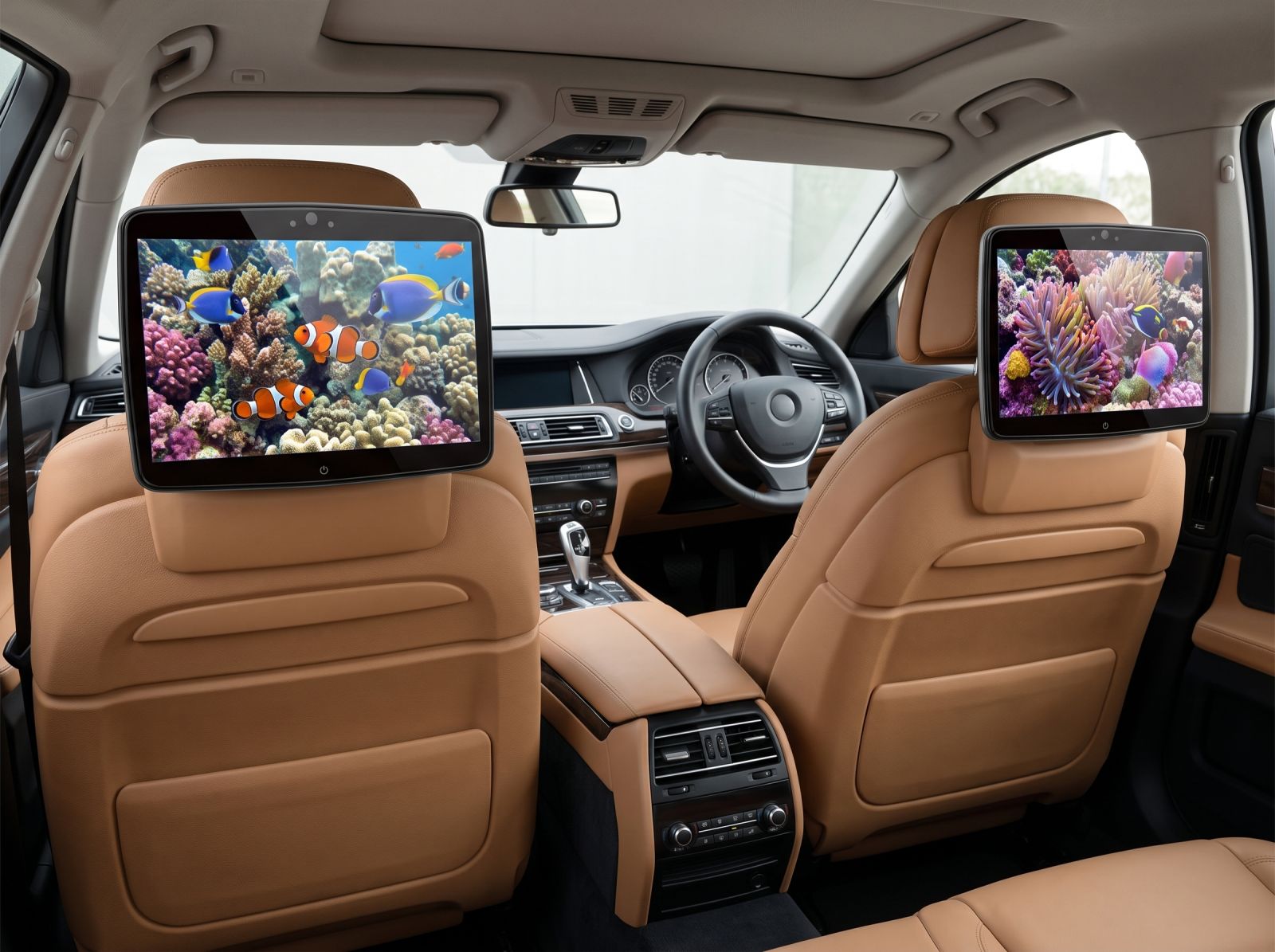
An android car headrest monitor allows rear passengers to enjoy movies, educational content, or compatible apps independently from the front display.
This can be particularly useful for parents travelling with young children who may become restless during long drives.
Why Bigger Displays Improve Everyday Convenience
Modern vehicles increasingly rely on visual information while driving. Larger screens allow important information to be viewed more comfortably.
A quality car display screen can make tasks such as:
- Viewing navigation directions
- Monitoring reverse camera images
- Selecting music
- Adjusting system settings feel more intuitive without constantly switching between multiple menus.
While drivers should always remain focused on the road, an organised interface can help reduce unnecessary distractions when used responsibly.
Which Drivers Benefit Most From an Android Upgrade
Although factory systems remain suitable for many motorists, some drivers gain greater value from upgrading.
An Android system may suit drivers who:
- Spend several hours on the road each week.
- Frequently use navigation apps.
- Enjoy streaming music and podcasts.
- Want easier smartphone integration.
- Own an older vehicle with outdated technology.
- Travel regularly with family.
- Drive for work or business purposes.
Meanwhile, drivers who only use basic radio and Bluetooth calling may find their existing factory unit continues to meet their needs.
Expanding In-Car Comfort Beyond the Dashboard
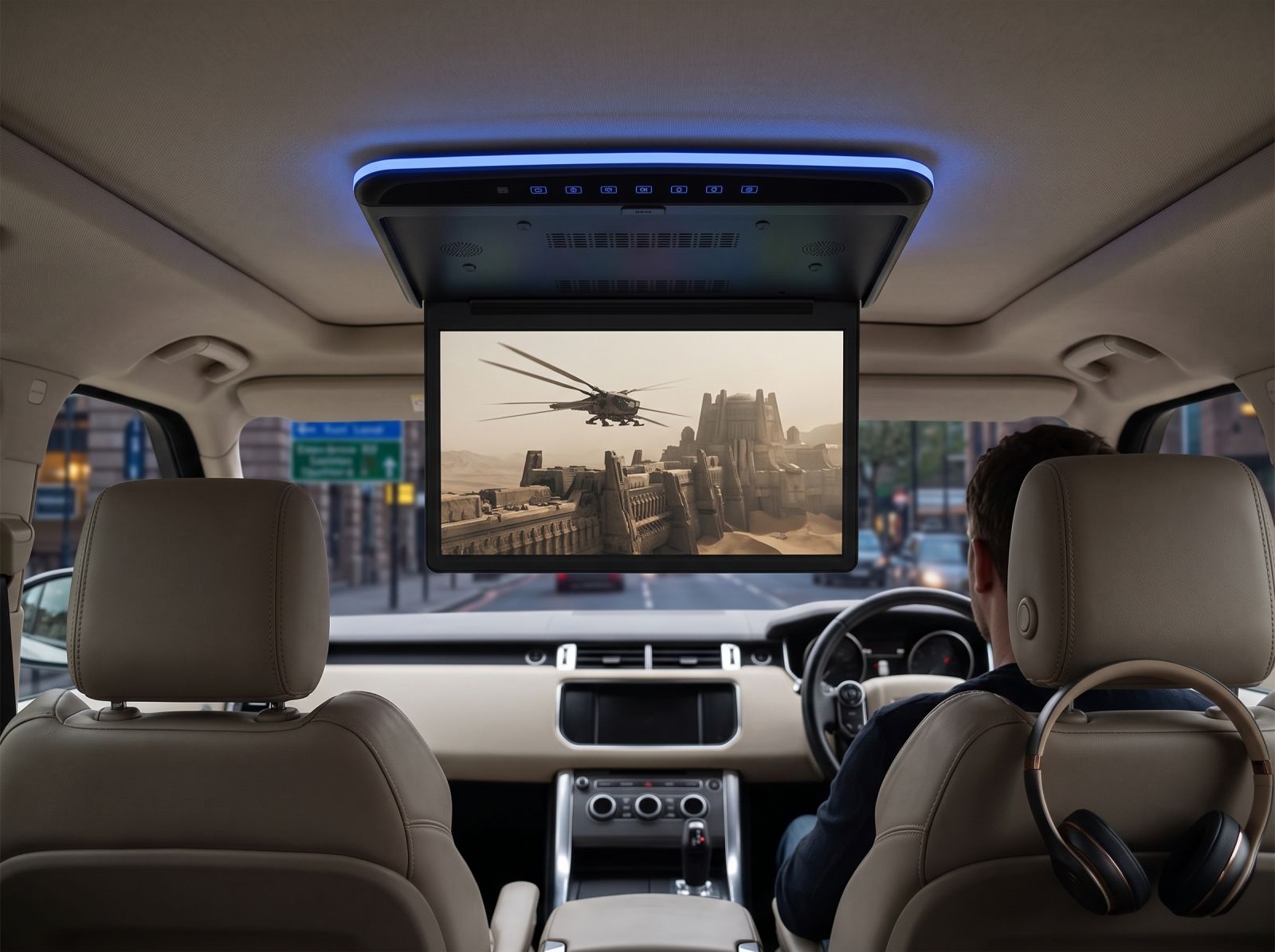
Entertainment isn't limited to the front seats anymore.
A dedicated car headrest monitor can significantly improve long-distance travel by giving rear passengers their own viewing experience. This reduces the need for handheld devices and helps keep everyone more comfortable throughout extended journeys.
For caravanning holidays or interstate family trips across Australia, this added convenience can make travelling considerably more enjoyable.
Choosing Between Factory and Aftermarket Solutions
Before making a decision, consider the following questions:
- Is your current system missing features you regularly use?
- Do you rely on smartphone navigation every day?
- Would a larger touchscreen improve usability?
- Do your passengers need additional entertainment options?
- Are you planning to keep your vehicle for several more years?
Answering these questions honestly will help determine whether upgrading provides worthwhile value.
Modern car entertainment systems continue evolving as drivers expect better connectivity, smarter navigation, and improved convenience inside their vehicles. An upgrade may help extend the usefulness of an older vehicle without needing to purchase a new car.
Frequently Asked Questions
Is replacing a factory head unit difficult?
Installation difficulty depends on your vehicle model. Many aftermarket systems are designed for straightforward installation, while others may benefit from professional fitting.
Will I lose my steering wheel controls?
Many modern aftermarket units support existing steering wheel controls when installed using compatible wiring and accessories.
Can I still use my reverse camera?
In many cases, yes. Compatibility depends on the camera and the replacement system being installed.
Are Android systems suitable for older vehicles?
Yes. Many older vehicles can benefit from upgraded infotainment systems that introduce modern connectivity and navigation features.
Do Android systems require internet access?
Many features work offline, while apps such as streaming services and live traffic updates perform best with an internet connection through Wi-Fi or mobile hotspot.
Upgrade Your Driving Experience With the Right Head Unit
Both factory stereos and aftermarket Android systems have their strengths. Factory units offer reliable integration and familiar controls, while Android upgrades provide significantly greater flexibility, connectivity, and entertainment options.
If your current stereo no longer suits your driving habits or technology needs, upgrading may improve everyday convenience without replacing your vehicle. Whether you value navigation, streaming, smartphone integration, or passenger entertainment, choosing the right system depends on how you use your car.
Explore Elinz's range to compare options and find the best android car head unit for your vehicle, helping you enjoy a more connected and practical driving experience.
Did you enjoy reading this article?
Stay updated on our latest deals and promos by following our social media accounts.
Find this article helpful? Don't forget to click on the share buttons below.