Installing a reverse camera in your car is essential for safer driving, whether you're navigating tight parking spots or reversing on busy streets. With so many options available, it can be difficult to choose the right system. Two common types are AHD cameras (Analog High-Definition) and CVBS cameras (Composite Video Baseband Signal). This guide will explain the differences between them and help you decide which is best for your vehicle.
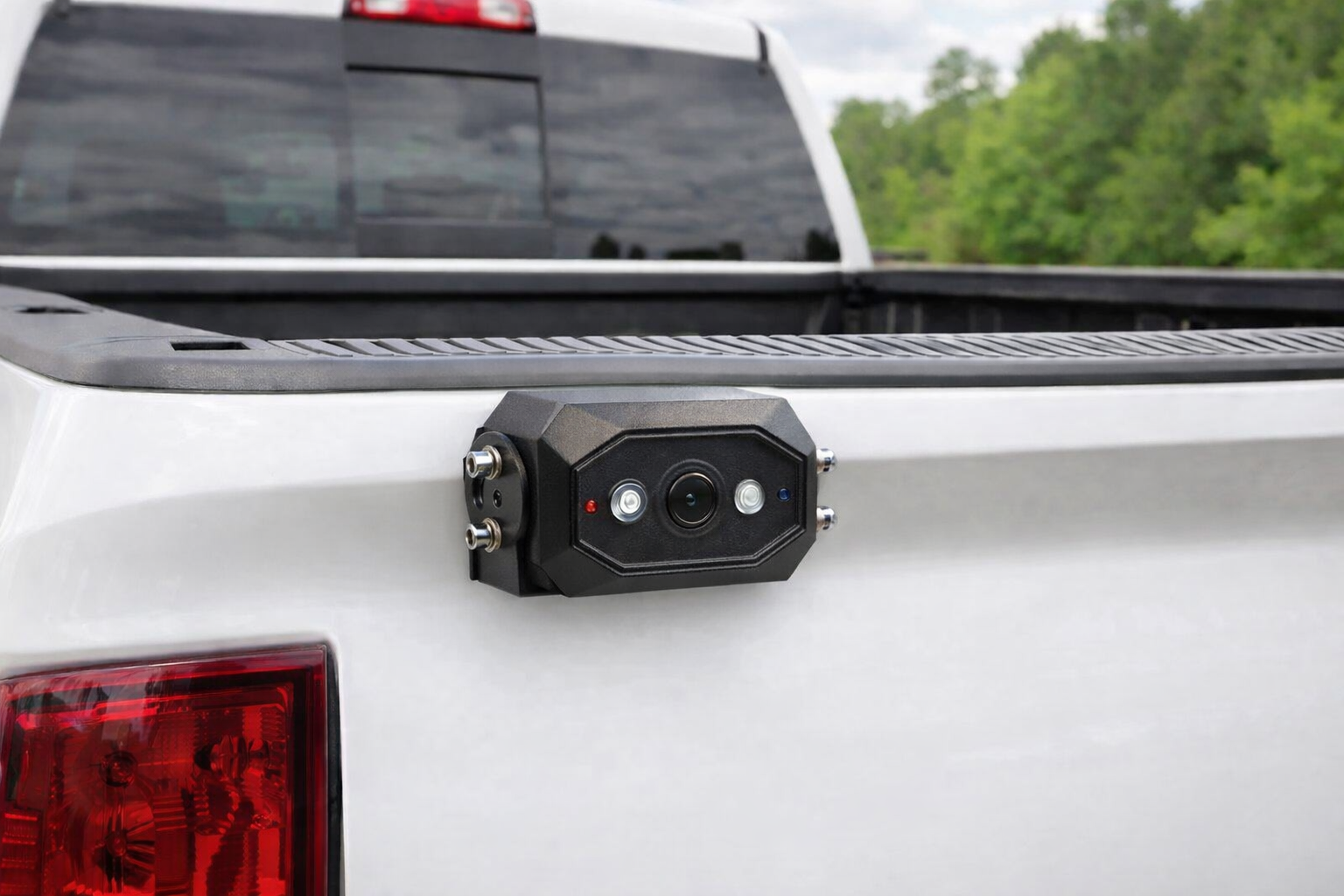
What Are AHD and CVBS Reverse Cameras?
Before comparing the two, it's important to understand what each system provides.
The AHD reverse camera is a modern upgrade from traditional analog cameras. They send high-definition video over a 4-pin aviation connector or RCA cable without losing quality. This means you get clearer images and sharper details, even at night. These cameras are great for drivers who want high-quality video from their rear camera.
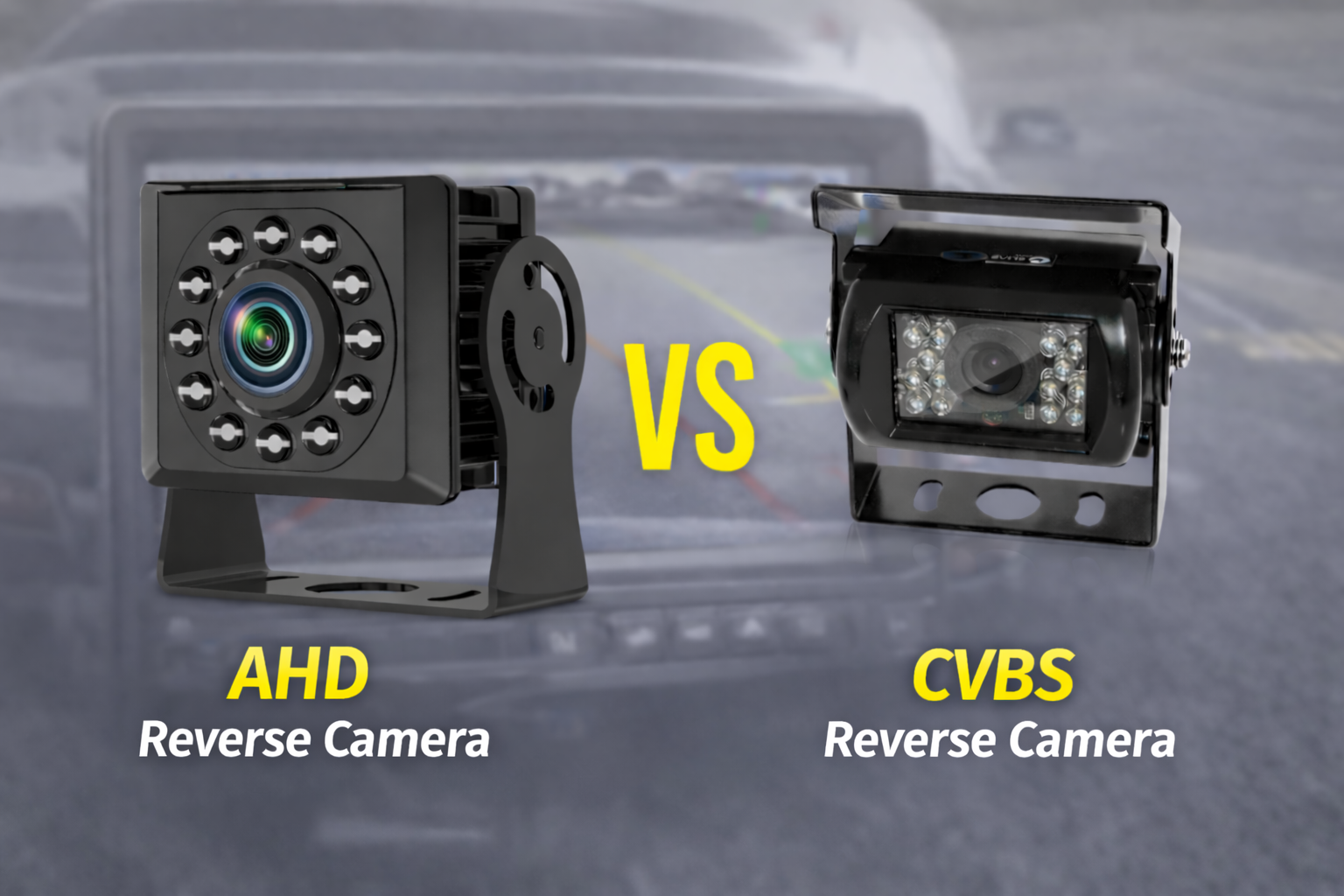
In contrast, CVBS reverse cameras which are also widely recognised as Analog Standard-Definition use the classic analog standard, Composite Video Blanking and Sync. They send video through electrical signals over RCA cables (composite video) or 4-pin aviation connectors as such. While the image resolution is more conventional compared to newer AHD systems, they still provide dependable performance for everyday reversing needs. CVBS cameras and CVBS monitors are stable, reliable, and widely used in the automotive industry.
Key Differences Between AHD and CVBS Cameras
Understanding the differences between an AHD reversing camera and a CVBS camera can help you make a smart choice. Here’s a quick comparison:
| Feature |
AHD Camera |
CVBS Camera |
| Video Resolution |
720p, 1080p, or higher |
Typically around 480p |
| Signal Type |
High-definition analog |
Standard analog |
| Image Clarity |
Sharp, detailed |
Suitable clarity for everyday reversing |
| Night Vision |
Superior, often infrared |
Functional night visibility for basic use |
| Monitor Compatibility |
Needs AHD monitor |
Works with almost any analog monitor |
From the table above, AHD cameras are meant for drivers who care about higher video quality. CVBS cameras work well for those who need a simple, yet a reliable option.
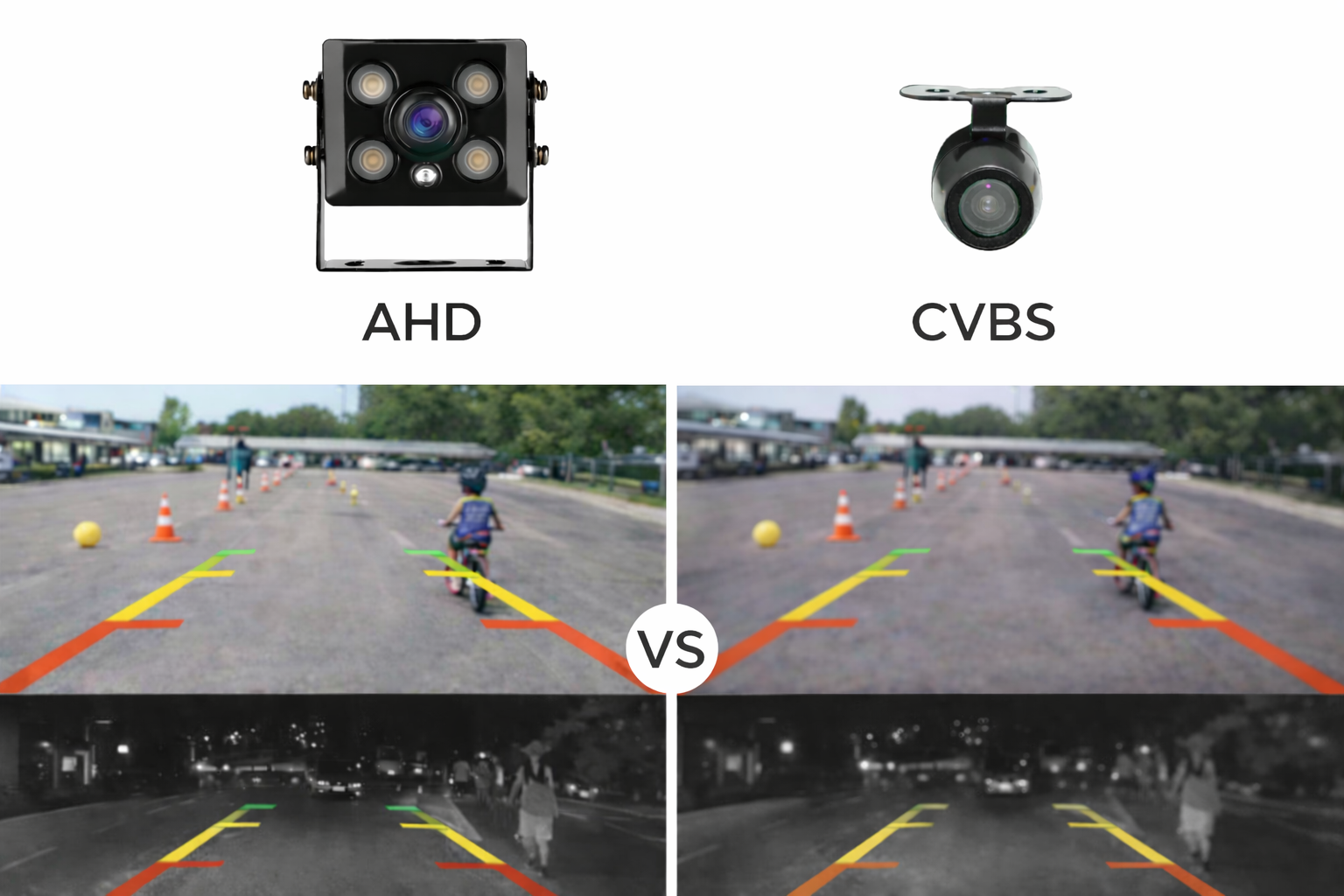
Image Quality Comparison Between AHD and CVBS
Image quality is one of the most noticeable differences between the two systems.
An AHD camera produces clear images with vibrant colours, making it easy to see obstacles, pedestrians, and small objects. Their night vision is usually much better because of their advanced infrared sensors.
In contrast, a CVBS car reverse camera provides a more standard analog video output. While the image is generally simpler in resolution compared to AHD, it still offers reliable visibility for everyday reversing tasks and works well with many standard vehicle monitors.
For many drivers, both systems can assist with safer reversing, while AHD cameras may offer additional clarity and detail in situations where higher image definition is beneficial.
Installation and Compatibility Considerations
Matching cameras and monitor video signals is a crucial part when buying cameras. When it comes to installing these cameras, there are key differences.
AHD cameras usually need a compatible monitor that can display HD signals. For example, If you plug an AHD camera into a CVBS monitor, it will result in no picture. They use 4-pin connectors or RCA cables for video, which may require planning for longer cable runs.
In contrast, the video signal in CVBS cameras goes through standard RCA cables or 4-pin aviation connectors, connecting to almost any analog display. As a matter of fact, Standard Definition cameras can be used on AHD monitors (however will not improve the resolution). This makes CVBS cameras a convenient choice for older vehicles or for drivers who want a simple setup or to upgrade to newer monitors without compatibility issues.
Cost Comparison Between AHD and CVBS Reverse Cameras
Budget is always a factor when picking a reverse camera for car setups.
- AHD cameras cost more because they have higher resolution and better technology. Installation costs can also be a bit higher if you need a compatible monitor. However, the investment pays off with improved image quality and longer satisfaction.
- CVBS cameras, on the other hand, are usually more affordable and widely available. They are a practical option for drivers who want reliable reversing assistance at a lower upfront cost and with good compatibility with many existing monitors.
In the end, both choices meet different needs. The decision often depends on whether you prefer higher image detail or a more budget-friendly solution that still offers dependable reversing support.
Pros and Cons of AHD and CVBS Cameras
Here’s a straightforward look at the pros and cons of each camera type.
| Camera Type |
Pros |
Cons |
| AHD Camera |
High-resolution images, enhanced night visibility, more detailed colours |
Typically costs more and may require a compatible monitor |
| CVBS Camera |
Affordable, easy to install, widely compatible with most monitors |
Provides standard-definition video with simpler image detail |
This table shows that AHD cameras are best for drivers who want high-quality feeds. In contrast, CVBS cameras fit those who prioritise affordability and simplicity.
Which Reverse Camera Is Best for Your Vehicle?
Choosing between an AHD camera and a CVBS system depends on your driving needs and the type of vehicle you have.
- If you drive a modern car and want a rear camera with clear visuals for parking, towing, or navigating tight spaces, an AHD reversing camera is worth the investment.
- If you own an older vehicle or need a straightforward RCA reverse camera for everyday use, a CVBS system remains a practical and reliable option.
Other things to think about include your monitor type, budget, and how often you depend on your reverse camera for safety.
Tips to Get the Most Out of Your Reverse Camera
Regardless of which camera you choose, proper care helps ensure long-lasting performance:
- Regular Cleaning – Keep the lens free of dirt, water, and dust to maintain clarity.
- Check Connections – Ensure cables are secure, whether you’re using an RCA cable or coaxial setup.
- Calibrate the Camera – Adjust angles to match your vehicle’s dimensions for accurate rear views.
- Update Monitors – Check that your monitor settings are optimised for brightness, contrast, and resolution.
- Protect From Extreme Conditions – Whenever possible, park in shaded areas to extend the camera's life.
AHD vs CVBS: The Bottom Line
Choosing between an AHD reverse camera and a CVBS system comes down to your priorities: image quality versus cost and simplicity. AHD cameras offer sharper visuals, better night vision, and improved colour accuracy, making them ideal for modern drivers. At the same time, CVBS cameras remain a dependable and cost-effective option that delivers reliable reversing assistance for everyday driving.
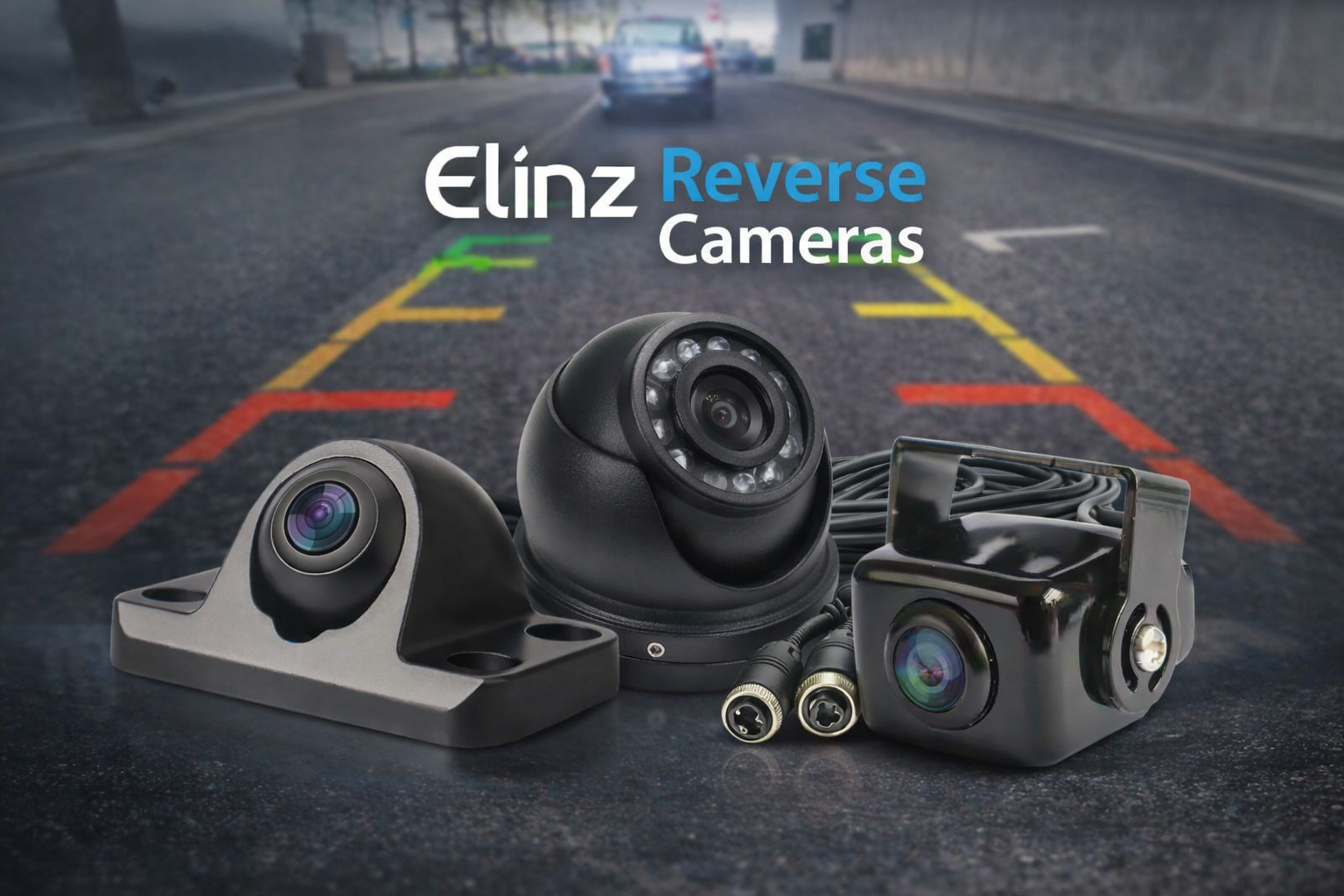
For those looking to upgrade or install a reverse camera for their car, considering these factors will help you make the right choice. If you’re searching for the best rear view camera in Australia, both AHD and CVBS systems offer practical solutions depending on the level of image detail and features you prefer.
Did you enjoy reading this article?
Stay updated on our latest deals and promos by following our social media accounts.
Find this article helpful? Don't forget to click on the share buttons below.